Coillte has said that it now manages 30% of its lands primarily for nature, hitting its planned “significant environmental milestone” four months ahead of schedule.
The forestry agency stated that some 134,000ha of its 440,000ha of land is “prioritised for nature management”.
Coillte manages 1ac in every 7ac of land across the country, with most of its area covered in forestry.
Its strategic vision sets out actions forecast to capture around 28m tonnes of CO2 by 2050.
“Coillte’s estate represents one of the country’s most significant biodiversity resources, encompassing a rich tapestry of habitats including coniferous, mixed and broadleaved forests, as well as open bogs, heathlands, lakes and rivers,” Coillte’s managing director Mark Carlin said.
“Looking ahead, we remain committed to our long-term ambition of managing greater areas of our estate primarily for nature, while also ensuring the productive areas of the estate are carefully managed for the long-term supply of sustainably grown, certified Irish wood, supporting the delivery of sustainable homes and rural jobs.”
Habitat ranking tool
Coillte stated that shifting forests towards more nature-friendly habitats has been aided by the development of its 'BioClass' system, a tool used to class areas by their ecological value.
The BioClass system scores habitats across forests, bogs and open landscapes using defined ecological criteria, with Coillte’s ecologists and foresters then ranking sites before drawing up habitat management plans.
Coillte cited examples of its nature restoration efforts on public lands:
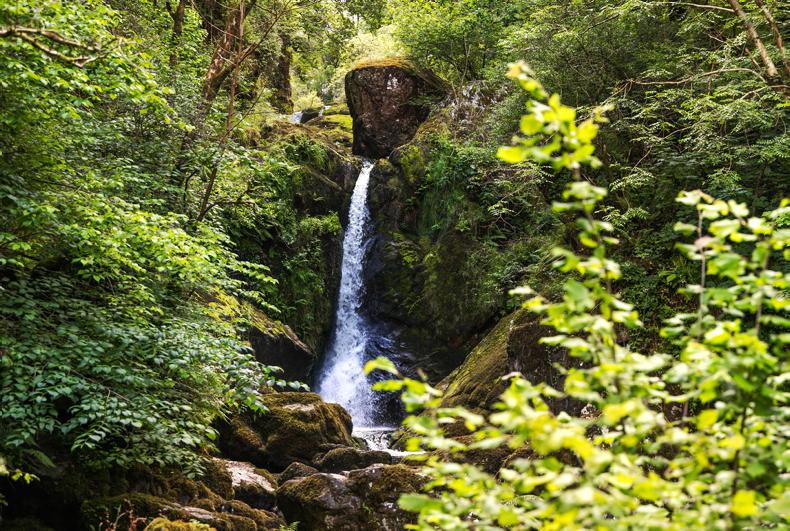
Forest biodiversity projects at Glenart in Co Wicklow and Hazelwood Forest in Co Sligo.An uplands project in the Dublin mountains. A peatlands project at Aghrane Bog in Co Galway.A water project at Devil’s Glen in Glanmore, Co Wicklow.A rare species project on the Lesser Horseshoe Bat at Rossacroo in Co Kerry.
Coillte has said that it now manages 30% of its lands primarily for nature, hitting its planned “significant environmental milestone” four months ahead of schedule.
The forestry agency stated that some 134,000ha of its 440,000ha of land is “prioritised for nature management”.
Coillte manages 1ac in every 7ac of land across the country, with most of its area covered in forestry.
Its strategic vision sets out actions forecast to capture around 28m tonnes of CO2 by 2050.
“Coillte’s estate represents one of the country’s most significant biodiversity resources, encompassing a rich tapestry of habitats including coniferous, mixed and broadleaved forests, as well as open bogs, heathlands, lakes and rivers,” Coillte’s managing director Mark Carlin said.
“Looking ahead, we remain committed to our long-term ambition of managing greater areas of our estate primarily for nature, while also ensuring the productive areas of the estate are carefully managed for the long-term supply of sustainably grown, certified Irish wood, supporting the delivery of sustainable homes and rural jobs.”
Habitat ranking tool
Coillte stated that shifting forests towards more nature-friendly habitats has been aided by the development of its 'BioClass' system, a tool used to class areas by their ecological value.
The BioClass system scores habitats across forests, bogs and open landscapes using defined ecological criteria, with Coillte’s ecologists and foresters then ranking sites before drawing up habitat management plans.
Coillte cited examples of its nature restoration efforts on public lands:
Forest biodiversity projects at Glenart in Co Wicklow and Hazelwood Forest in Co Sligo.An uplands project in the Dublin mountains. A peatlands project at Aghrane Bog in Co Galway.A water project at Devil’s Glen in Glanmore, Co Wicklow.A rare species project on the Lesser Horseshoe Bat at Rossacroo in Co Kerry.
SHARING OPTIONS