
The banning of planting on large tracts of suitable forestry land in designated hen harrier areas is a major issue for farmers, especially in areas of Munster and the Slieve Blooms.
“This will result in serious financial hardship for many farmers in affected areas, while land abandonment can no longer be discounted,” according to Michael Fleming, IFA Farm Forestry committee chairman.
In March 2007, a forest management protocol for hen harrier in special protection areas (SPAs) was agreed between Government and stakeholders, which allowed farmers to plant less than 0.2% of the designated SPA per annum. The total designated area comprised 167,506 hectares, which equates to approximately 20% of total NATURA areas in Ireland.
Despite the success of the protocol, it was suspended in 2012 without consultation. A total ban is now in place in designated sites and this will remain in force until a ‘Threat Response Plan for the Conservation of Hen Harrier in Ireland’ is produced.
The National Parks and Wildlife Service (NPWS) initiated the plan at least 15 months ago. Deputy Michael Creed was told in the Dáil during question time in March 2013 that the plan was under way. Stakeholders who believed that it would be produced this year were told at the recent public meeting in Charleville that it would be at least another year before reaching the consultation stage.
In the meantime, farmers in designated areas “are faced with serious land use constraints in their devalued farms,” said Michael Fleming.
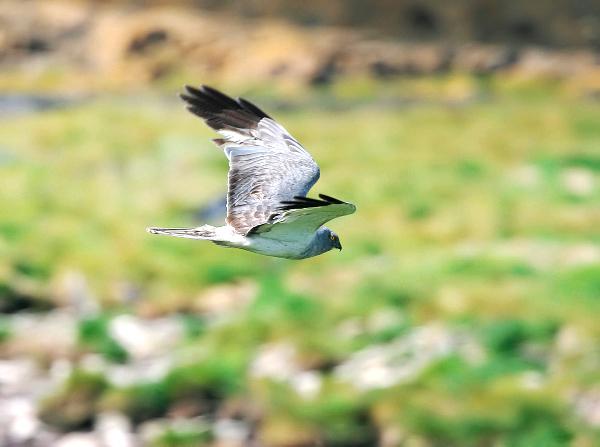
How did it come to this? Forestry, long regarded as the greatest land use to conserve the hen harrier, has been identified by two Government departments (Agriculture, Food and the Marine and Arts, Heritage, and the Gaeltacht) as a threat to this rare bird of prey in Ireland and Europe.
Gordon D’Arcy claimed in The Guide to the Birds of Ireland (1981) that the bird had almost become extinct by 1950.
“Were it not for the reforestation of this country [in the 1950s], this harrier would probably not be found here any longer,” he wrote.
“The manmade forests now provide vital sanctuary for this beautiful bird of prey.”
In other words, 95% commercial conifer afforestation, mainly sitka spruce and lodgepole pine, and mostly planted at the time on unenclosed land, saved the hen harrier.
These new conifer plantations proved to be attractive nesting and hunting habitat for hen harriers because they provided protection from predators and they held increased numbers of prey.
Why then has the NPWS and the Forest Service banned planting in 167,506ha in counties Cork, Kerry, Limerick, Clare, Tipperary, Monaghan, Laois and Offaly?
On a separate but not unrelated issue, farmers still ask why 260,000 hectares of unenclosed land has been precluded from the afforestation programme. This land bank was identified in a recent COFORD-commissioned report as ideal for productive forestry.
“The latest research undertaken by UCC – optimum scenarios for hen harrier conservation in Ireland – in 2012 shows that hen harrier breeding populations have increased in recent years and the current estimate of the breeding birds is 128 to 172 pairs,” claimed Fleming.
“The findings show that the safeguards agreed by Government and all relevant stakeholders, including the IFA, after nearly three years of consultation, are working, so there is no justification for suspending the protocol.”
After a meeting last year with EU Environment Commissioner Janez Potoçnik, Michael Fleming believed that seeking the reinstatement of the forest management protocol would not pose a problem.
In addition, he said that the “NPWS agreed to support the Forest Service in making this proposal to the Commission as an interim solution until the threat plan has been completed”.
Commissioner Potoçnik’s response to the IFA proposal last September was: “If on the basis of the national threat response plan for the hen harrier or another mechanism that shows compliance with Article 6 (3) of the Habitats Directive, it can be demonstrated that afforestation within hen harrier SPAs is carried out in a way that is consistent with the conservation objectives of the site, then I would not envisage any objection to use of rural development funding if the Irish authorities propose this measure.”
There is flexibility in this approach. It allows the threat response plan to take its course but also allows for “another mechanism”, which shows compliance with the Habitats Directive. The other mechanism could include the UCC report, which Michael Fleming referred to and the Republic of Ireland hen harrier survey 2010.
This maintained that the national population “appears stable”, while it cautioned against a broad analysis of population numbers.
It showed some regional declines in the sample areas but also maintained “numbers of hen harriers in other areas were observed to have increased, largely a reflection of additional field effort”.
So have the NPWS and Forest Service overreacted in suspending the protocol? Michael Fleming believes they have. He is scheduled to meet Minister Deenihan to seek the restoration of the protocol or alternatively provide adequate compensation for farmers in the designated areas.
Cork case study
The hen harrier designation has impacted on farmers’ livelihoods in many ways. Take the case of Jason Fitzgerald, a farmer in Co Cork who has a 120-acre marginal land farm of his own and leases a nearby dairy farm, which is his main source of income.
He qualified for a five-year payment under the compensation scheme in hen harrier designated SPAs, which will end next March.
He wishes to continue to lease the dairy farm and explore income options for his own holding, including afforestation, which would provide an annual income of €400/ha from premium payments for 20 years and timber revenue thereafter.
In the meantime, the farmer he leases from expressed a wish to sell and would give Jason first refusal, so in a normal course of events he would have two options:
Purchase the dairy farm and convert his existing holding to forestry and avail of 20-year premiums as part payment on his bank loan.Sell his own farm and use the proceeds as part-payment for the purchase of the dairy farm. His farm has been valued at €10,000 per hectare (€4,000/acre), which would provide sufficient capital to raise the balance from the bank if he decided to sell.However, because his farm is in the hen harrier designated area in which there is a total ban on afforestation, he can neither plant nor sell, because his farm is worthless for potential buyers interested in afforestation.
As a result he has had no offers for his farm. In effect, his livelihood has been ruined because he cannot purchase the dairy farm and he is precluded from selling or planting his own holding.
The banning of planting on large tracts of suitable forestry land in designated hen harrier areas is a major issue for farmers, especially in areas of Munster and the Slieve Blooms.
“This will result in serious financial hardship for many farmers in affected areas, while land abandonment can no longer be discounted,” according to Michael Fleming, IFA Farm Forestry committee chairman.
In March 2007, a forest management protocol for hen harrier in special protection areas (SPAs) was agreed between Government and stakeholders, which allowed farmers to plant less than 0.2% of the designated SPA per annum. The total designated area comprised 167,506 hectares, which equates to approximately 20% of total NATURA areas in Ireland.
Despite the success of the protocol, it was suspended in 2012 without consultation. A total ban is now in place in designated sites and this will remain in force until a ‘Threat Response Plan for the Conservation of Hen Harrier in Ireland’ is produced.
The National Parks and Wildlife Service (NPWS) initiated the plan at least 15 months ago. Deputy Michael Creed was told in the Dáil during question time in March 2013 that the plan was under way. Stakeholders who believed that it would be produced this year were told at the recent public meeting in Charleville that it would be at least another year before reaching the consultation stage.
In the meantime, farmers in designated areas “are faced with serious land use constraints in their devalued farms,” said Michael Fleming.
How did it come to this? Forestry, long regarded as the greatest land use to conserve the hen harrier, has been identified by two Government departments (Agriculture, Food and the Marine and Arts, Heritage, and the Gaeltacht) as a threat to this rare bird of prey in Ireland and Europe.
Gordon D’Arcy claimed in The Guide to the Birds of Ireland (1981) that the bird had almost become extinct by 1950.
“Were it not for the reforestation of this country [in the 1950s], this harrier would probably not be found here any longer,” he wrote.
“The manmade forests now provide vital sanctuary for this beautiful bird of prey.”
In other words, 95% commercial conifer afforestation, mainly sitka spruce and lodgepole pine, and mostly planted at the time on unenclosed land, saved the hen harrier.
These new conifer plantations proved to be attractive nesting and hunting habitat for hen harriers because they provided protection from predators and they held increased numbers of prey.
Why then has the NPWS and the Forest Service banned planting in 167,506ha in counties Cork, Kerry, Limerick, Clare, Tipperary, Monaghan, Laois and Offaly?
On a separate but not unrelated issue, farmers still ask why 260,000 hectares of unenclosed land has been precluded from the afforestation programme. This land bank was identified in a recent COFORD-commissioned report as ideal for productive forestry.
“The latest research undertaken by UCC – optimum scenarios for hen harrier conservation in Ireland – in 2012 shows that hen harrier breeding populations have increased in recent years and the current estimate of the breeding birds is 128 to 172 pairs,” claimed Fleming.
“The findings show that the safeguards agreed by Government and all relevant stakeholders, including the IFA, after nearly three years of consultation, are working, so there is no justification for suspending the protocol.”
After a meeting last year with EU Environment Commissioner Janez Potoçnik, Michael Fleming believed that seeking the reinstatement of the forest management protocol would not pose a problem.
In addition, he said that the “NPWS agreed to support the Forest Service in making this proposal to the Commission as an interim solution until the threat plan has been completed”.
Commissioner Potoçnik’s response to the IFA proposal last September was: “If on the basis of the national threat response plan for the hen harrier or another mechanism that shows compliance with Article 6 (3) of the Habitats Directive, it can be demonstrated that afforestation within hen harrier SPAs is carried out in a way that is consistent with the conservation objectives of the site, then I would not envisage any objection to use of rural development funding if the Irish authorities propose this measure.”
There is flexibility in this approach. It allows the threat response plan to take its course but also allows for “another mechanism”, which shows compliance with the Habitats Directive. The other mechanism could include the UCC report, which Michael Fleming referred to and the Republic of Ireland hen harrier survey 2010.
This maintained that the national population “appears stable”, while it cautioned against a broad analysis of population numbers.
It showed some regional declines in the sample areas but also maintained “numbers of hen harriers in other areas were observed to have increased, largely a reflection of additional field effort”.
So have the NPWS and Forest Service overreacted in suspending the protocol? Michael Fleming believes they have. He is scheduled to meet Minister Deenihan to seek the restoration of the protocol or alternatively provide adequate compensation for farmers in the designated areas.
Cork case study
The hen harrier designation has impacted on farmers’ livelihoods in many ways. Take the case of Jason Fitzgerald, a farmer in Co Cork who has a 120-acre marginal land farm of his own and leases a nearby dairy farm, which is his main source of income.
He qualified for a five-year payment under the compensation scheme in hen harrier designated SPAs, which will end next March.
He wishes to continue to lease the dairy farm and explore income options for his own holding, including afforestation, which would provide an annual income of €400/ha from premium payments for 20 years and timber revenue thereafter.
In the meantime, the farmer he leases from expressed a wish to sell and would give Jason first refusal, so in a normal course of events he would have two options:
Purchase the dairy farm and convert his existing holding to forestry and avail of 20-year premiums as part payment on his bank loan.Sell his own farm and use the proceeds as part-payment for the purchase of the dairy farm. His farm has been valued at €10,000 per hectare (€4,000/acre), which would provide sufficient capital to raise the balance from the bank if he decided to sell.However, because his farm is in the hen harrier designated area in which there is a total ban on afforestation, he can neither plant nor sell, because his farm is worthless for potential buyers interested in afforestation.
As a result he has had no offers for his farm. In effect, his livelihood has been ruined because he cannot purchase the dairy farm and he is precluded from selling or planting his own holding.
SHARING OPTIONS