



An interim economic assessment carried out by AgriSearch has estimated it will cost the NI agri-food industry £1.6bn if DAERA fully implements the proposals set out in a public consultation on an updated Nutrient Action Programme (NAP).
That NAP consultation closes to responses at 11.59pm today (Thursday) and includes plans to introduce new limits on phosphorus (P) on intensive farms and a 3m buffer alongside watercourses in arable fields.
These are the two issues assessed in the “surface look” of the impact of NAP proposals in the AgriSearch report – other costs such as the mandatory use of low-emission slurry spreading equipment (LESSE) by 2030, were not considered.
Biggest hit
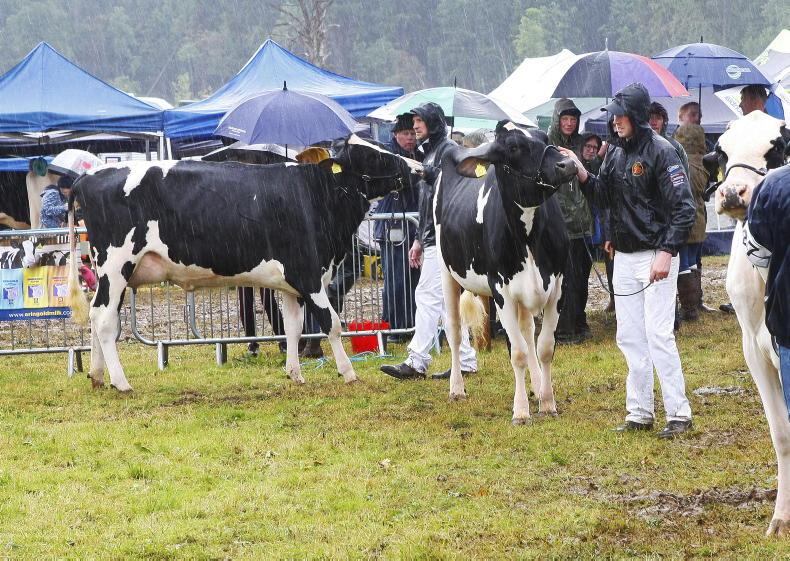
Given the scale of our dairy industry, it is no surprise it faces the biggest financial hit, estimated at nearly £900m if DAERA implemented a P balance on farms of just 8kg/ha by 2029.
The layer sector is next at just under £331m, followed by beef (£219m), pigs (£77m) and sheep (£35m). The broiler sector was not included in the analysis given the work being done by Pilgrim’s Europe (Moy Park) to
Continued on page ?
process and remove most broiler litter outside the agricultural system within the next few years.
Buffer strips
When it comes to the economic impact of buffer strips in arable, a projected cost of £3.8m originates from members of various Ulster Farmers’ Union committees who estimated that an average of 2% of arable land would be lost. Their projected cost is over 10 times that estimated by DAERA within a regulatory impact assessment to accompany the NAP consultation.
That DAERA assessment of the costs of NAP came to just over £40m, with most of that relating to the roll-out of LESSE. The Department did not assess the economic impact of new rules around P balance as the actions farmers take to address the issue “will be highly variable”.
That position has now changed, with Agriculture Minister Andrew Muir committed to an economic impact assessment of actions proposed by a new group tasked with looking again at the NAP. A second public consultation will also be done.
Concern
In their report, Jason Rankin and Professor Gerry Boyle from AgriSearch are critical of the lack of a full economic analysis in the original NAP consultation. “It is concerning that such an analysis was not undertaken by DAERA,” states their report.
In their conclusions they warn that implementing proposed NAP measures, especially relating to P balance, would lead to widespread economic disruption across agri-food and severe financial strain on farm businesses. In practice, many processing sites would be left unviable, given the level of livestock reduction required to comply with the new rules.
Land
There is also the potential destabilisation of the land market driven by more intensive farmers looking to acquire additional land to lower their P balance.
“While the beef and sheep sector and non-livestock farms may seem least affected by the current NAP proposals, they could lose a considerable amount of conacre land to the more intensive sectors,” states the AgriSearch report.
Ends
Over 200 farms in AgriSearch analysis
The basis for the interim economic assessment done by AgriSearch is 212 farms that filled in a NAP Farm Impact Calculator and returned their data for analysis.
Over half of the respondents were dairy farmers (114), with these businesses farming an average of 147ha (363 acres) and with an average annual P balance of 16kg/ha. To get to the DAERA proposed target of 8kg P/ha, these dairy farms would need to farm an additional 107ha (264 acres) or cut livestock by 47.8%.
To calculate the economic impact of that livestock cut, AgriSearch used typical gross margin figures either extrapolated from DAERA reports or obtained from sector experts. The reduction in farmer gross margins due to livestock cuts was then multiplied by 2.5 to estimate the total economic impact across the wider agri-food sector. In the case of dairy, the total economic hit is estimated at £897.9m.
On layer units, the 8 farms assessed had an average of 54ha (133 acres) with annual P balance at 92kg/ha. To get to a P balance of 8kg, these farms would need to farm an additional 377ha (931 acres) or cut numbers by 86.8%.
Across 11 pig farms currently averaging 144 ha, they have a P balance of 68kg/ha and to get to 8kg would need an additional 1025ha or cut numbers by 82.4%.
Of the 66 beef and sheep farms completing the AgriSearch survey, average farm size stood at 97ha (240 acres), with P balance at 16kg/ha. If they have to get to a P balance of 8kg, they would need 47ha (116 acres) of additional land or cut numbers by 28.2%.
The other option in all these scenarios is to export slurry / manure, but given proposed tighter rules around exports, the scope to do this “will be extremely limited,” states the AgriSearch report.




SHARING OPTIONS