



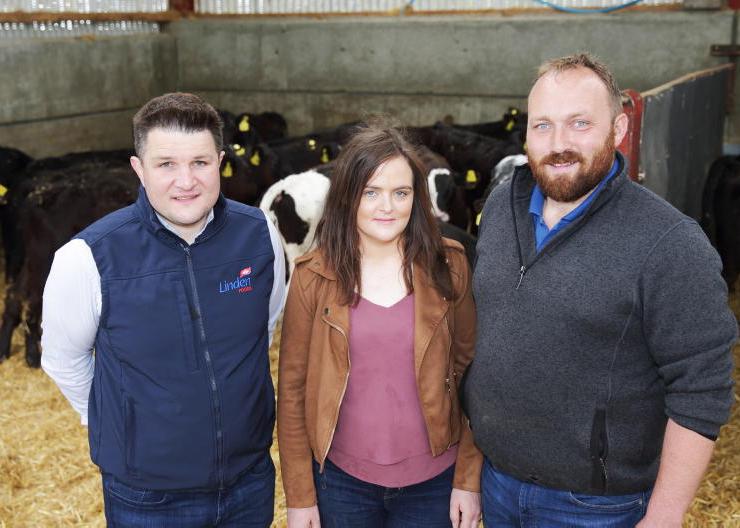
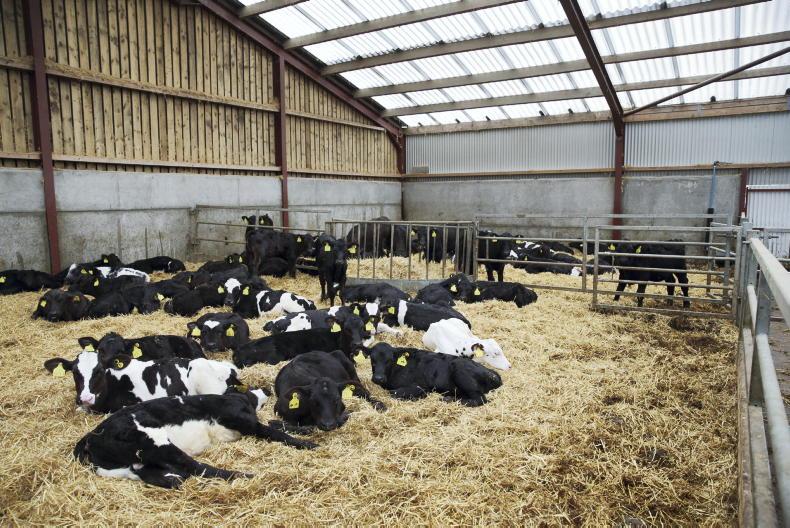
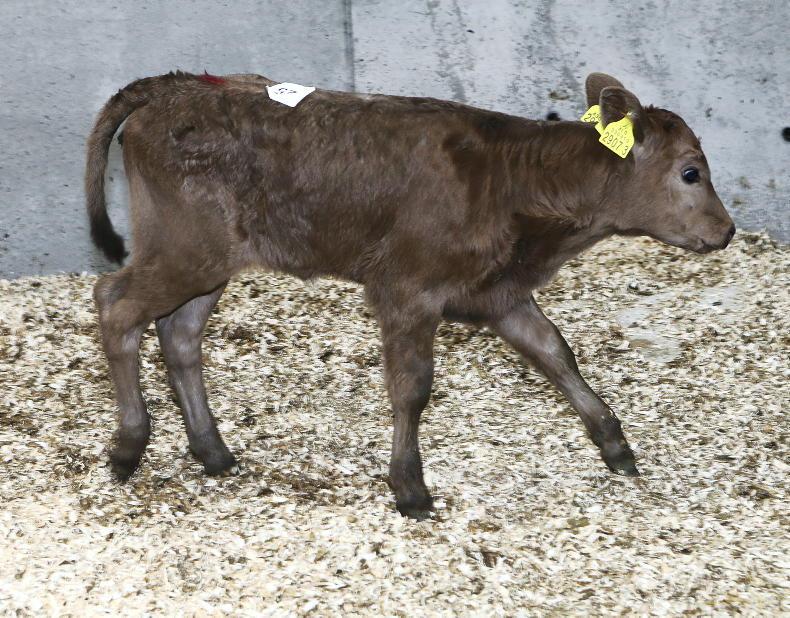
Calves generally arrive at around two to four weeks old and are weaned at approximately nine to 10 weeks of age, dependent on weight.
They leave for finishing units at around 15 weeks, once a target liveweight of at least 120kg is met.
On average, calves on the farm consume 33kg of milk powder along with 180kg of concentrate feed.
A skim-based milk powder is preferred over a whey-based product.
At present calves are averaging around 1kg of daily weight gain and to achieve that level of performance requires attention to detail around following health protocols, with a key focus on the 10-day period post movement off the farm of origin.
“Managing that transition is the main issue in the first week here. Also, if you get poor weather, you need to watch out for issues coming through a week to 10 days later,” said James.
The day of arrival on farm, calves are set up to use automatic milk feeders.
The following day they receive their first pneumonia vaccination (Bovilis Intranasal) along with their first shot of a ringworm vaccine (Trichovec).
The second shot of ringworm vaccine is given two weeks later, along with the first shot of the pneumonia vaccine, Bovilis Bovipast.
When the second dose of Bovipast is given around four weeks later, calves are also treated for IBR and receive a drench to help prevent coccidiosis (Tolracol).
Calves are kept in distinct batches and when they move to a stage two house or off the farm, the previous facilities are cleaned and disinfected “from the roof down,” said James.
There is generally a seven to eight-day gap between each batch of calves.
Male calves are castrated by the vet before leaving the farm, with the only calves kept entire being a relatively small number of dairy males that are slaughtered under 12 months for Rosé veal through ABP Linden.
Most calves are Angus bred
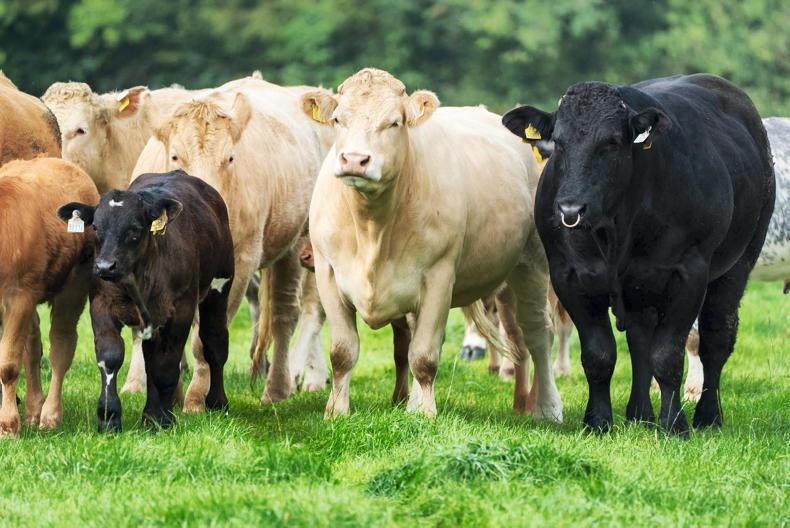
Among the estimated 15,000 calves going through the Blade system in NI this year, around 11,000 to 11,500 are Angus bred, along with approximately 3,000 Waygu, some British Blue calves and the rest being veal, confirmed Stuart Cromie from ABP.
Calves are bought from around 100 dairy farms, with 200 to 250 calves acquired every week and prices set based on the average price paid for similar calves in local marts.
Semen from high performance Angus bulls is available for dairy farms to use, with bulls selected with good calving ease as well as 200 and 400-day growth.
The key issue on dairy farms is that the calf receives good quality colostrum shortly after birth.
“All three parts of the chain (the dairy farm, the calf rearer and the beef finisher) have to do their job. Calves come from all over NI – it is about having relationships built up,” said Stuart.
The aim is to finish calves at around 300kg at 20 months.
At present, calves coming through the Blade system are averaging 21 to 22 months at slaughter, with heifers at 300 to 310kg and steers at 335 to 340kg carcase weight.
Emissions 30% below the average
James Davison is among a group of around 350 beef and sheep farms across the UK who have participated in an ABP programme known as PRISM 2030, which is looking at how changes in management practices influence greenhouse gas emissions on farms.
Launched in November 2022, the £1.5m programme involves a detailed carbon footprint assessment of each farm using the calculator produced by Agrecalc.
In the case of the Davison family, their carbon footprint is 30% lower than the Agrecalc average for a calf rearer across the UK – effectively it shows that the farm is making the most of feed, while minimising disease and overall calf losses.
The 25-acre Davison home farm was originally a dairy business, but exited milk production in the early 2000’s while James was still at school.
After finishing Greenmount, James entered into a share farming agreement in 2014 with well-known Carnlough hill farmer, Sam Wharry. Sam had no children, but did not want to see his farm wound-down as he headed to retirement.
Unfortunately, Sam died suddenly in May 2017 and at the end of 2018 James had to leave the farm when the share farming agreement ended.
At that stage, James got one-third of the stock as well as two broiler houses built by the partnership on his home farm.
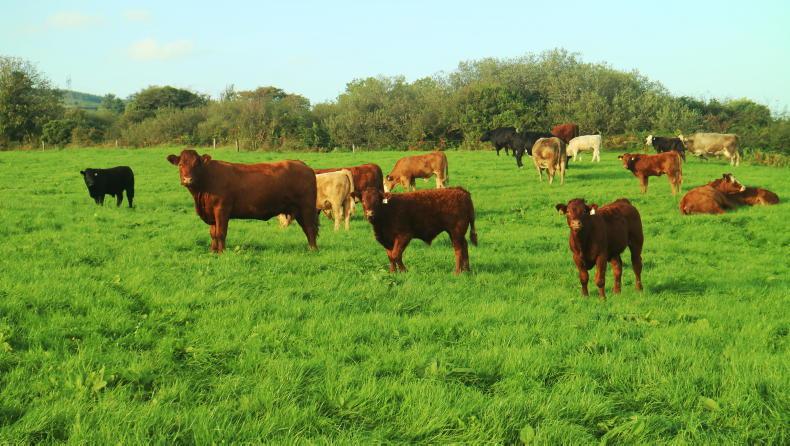
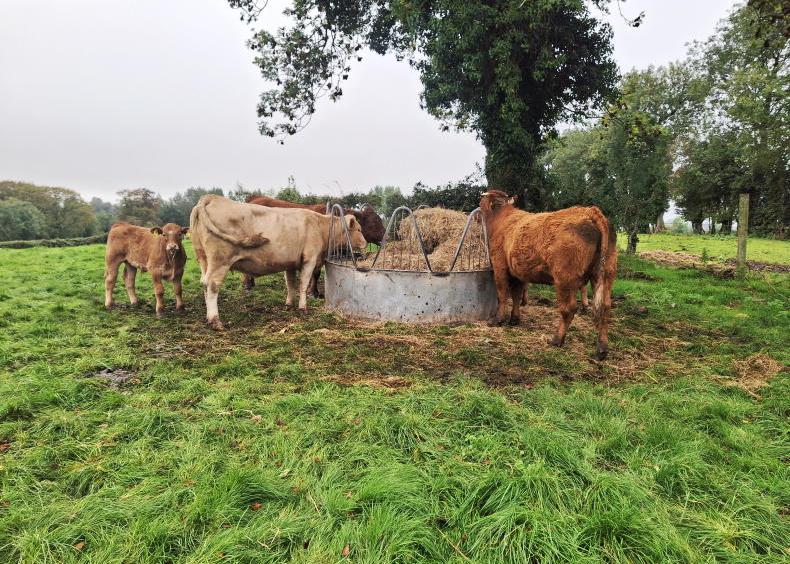
Along with the dairy calf enterprise and the broiler unit, James and Rachel finish around 40 beef cattle per year and keep around 300 Easycare ewes.
Over the period they have managed to buy some land and now own 200 acres of hill, as well as 135 acres of grazing / cutting land.
A further 27 acres of cutting ground is rented.
Outside of the family there is one full-time person on the farm as well as some casual labour.



SHARING OPTIONS