



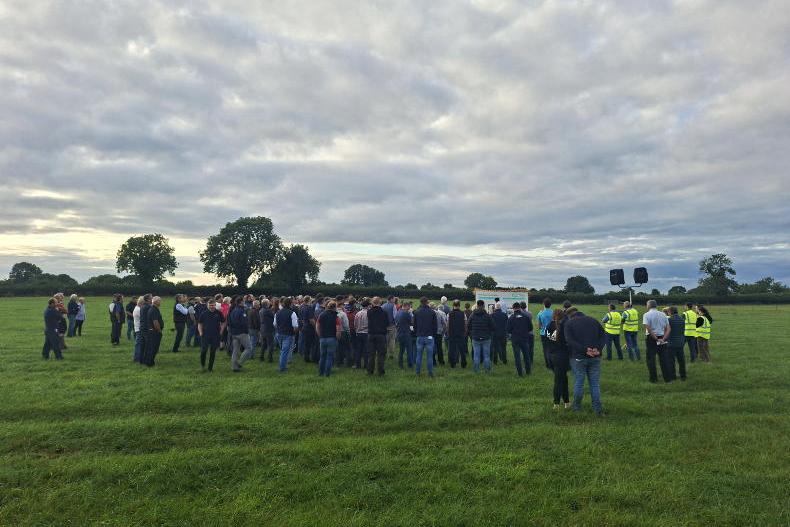
On Thursday, Irish Country Meats (ICM) - in conjunction with Teagasc - facilitated a farm walk on the farm of Bernard Fox.
Bernard is lambing 640 mid-season ewes alongside calving down 55 suckler cows in a suckler-to-store beef system.
The home farm is located in Ballivor, Co Meath, spanning across 200 acres, with a further 180 acres located in Roscommon.
The walk was organised by Conan Fitzpatrick of ICM and Gavin Duffy from ABP, with guest speakers including Ciaran Lynch, Edward Egan and Aine Gaffney from Teagasc, with Stephen Connolly of ABP and members of the ICM procurement team in Navan.
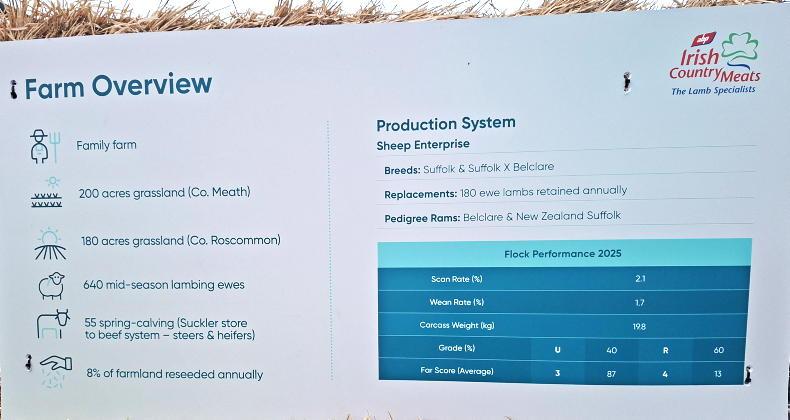
Flock performance
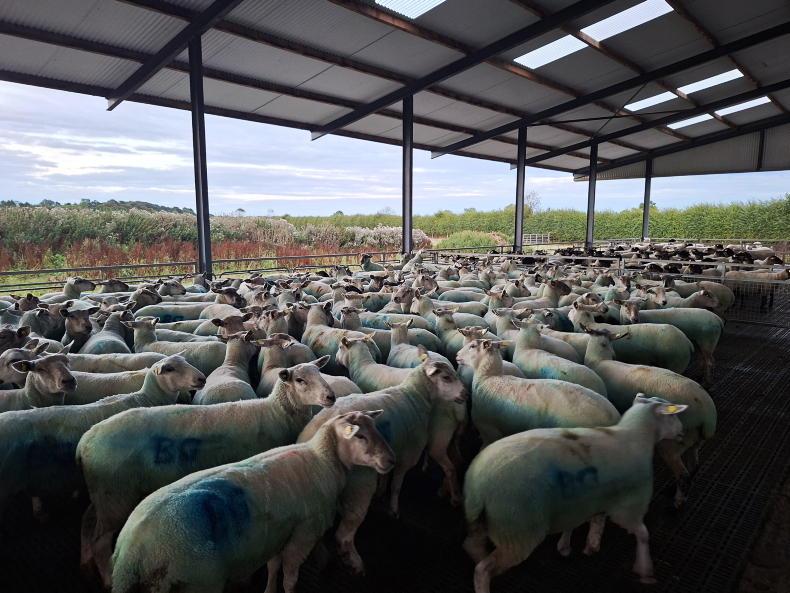
Bernard lambs down 640 ewe yearly, with the main commercial flock starting towards the end of February and the replacement flock lambing from mid-March onwards.
Bernard opts to run a replacement flock where he crossed Suffolk and Belclare on each other to maintain an even ewe.
There are 180 ewe lambs retained yearly, which are mated back to terminal rams aiming all lambs for slaughter. Bernard uses a mix of rams on the main flock including Charollais, New Zealand Suffolk and Belclare.
For 2025, Bernard had an exceptional year selling lambs, selling 1.7/lambs per ewe, the Belclare genetics has improved the prolificacy of the flock with ewes in 2025 scanning an impressive 2.1.
Bernard's carcase weight for lambs slaughtered in 2025 averaged an impressive 19.8kg considering no meal is fed to lambs, with exception for pet lambs.
Some 40% of the lambs slaughtered in 2025 graded an impressive U, with the remaining 60% killing into an R grade.
Bernard pays careful attention when selecting lambs for slaughter, with 87% of lambs slaughtered in 2025 having a fat score of 3, with 13% killed with a fat score of 4.
"We lamb the ewes from February onwards and I find the lambs born earlier can be moved on quicker. They are old enough to eat that April and May grass, wheres the later lambs is still that it young to utilise the grass and come July, grass can be harder managed to keep quality in front of them," said Bernard.
The ICM team gave practical examples of lambs that are fit for slaughter and compared them with lambs of similar weight but for various reasons needed a longer period of time to build up an adequate fat cover prior to slaughter.
The ideal weight for slaughtering lambs is around the 20kg mark, with overweight carcasses harder sold.
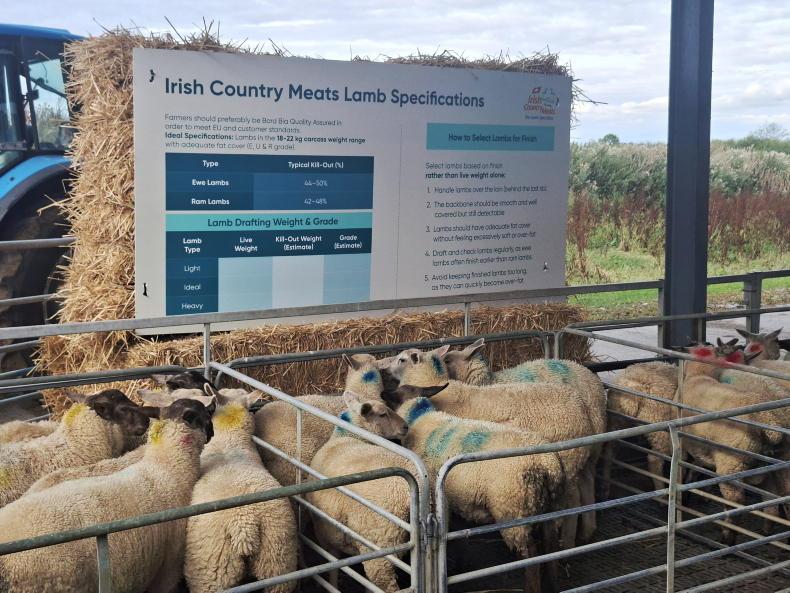
When selecting lambs, farmers should handle lambs over the loin, ensure the back bone is smooth and well covered, handle lambs regularly and avoid keeping finished lambs for too long, as once fit, they can quickly become over-fat.
Store lamb finishing
Local Teagasc adviser Edward Egan took farmers through a very informed discussion on store lamb budgets.
The biggest four factors that affect profitability on a store lamb system are lamb purchase price, cost of finish, lamb performance and lamb slaughter price.
“There [are] four variables and farmers need to look at the three they have control over,” said Edward.
Purchase price has the biggest effect and he encouraged farmers to budget accordingly prior to purchasing lambs.
Including accurate figures for the cost of concentrates and grass is very important, alongside a slaughter price, which, unfortunately, is not controllable by the farmer.
Breeding season preparation
Ciaran Lynch from Teagasc outlined to farmers the preparations required over the coming weeks in advance of the upcoming breeding season.
“What we do over the next couple of weeks will have a massive effect on the productivity of our flocks next year and the inputs required,” said Ciaran.
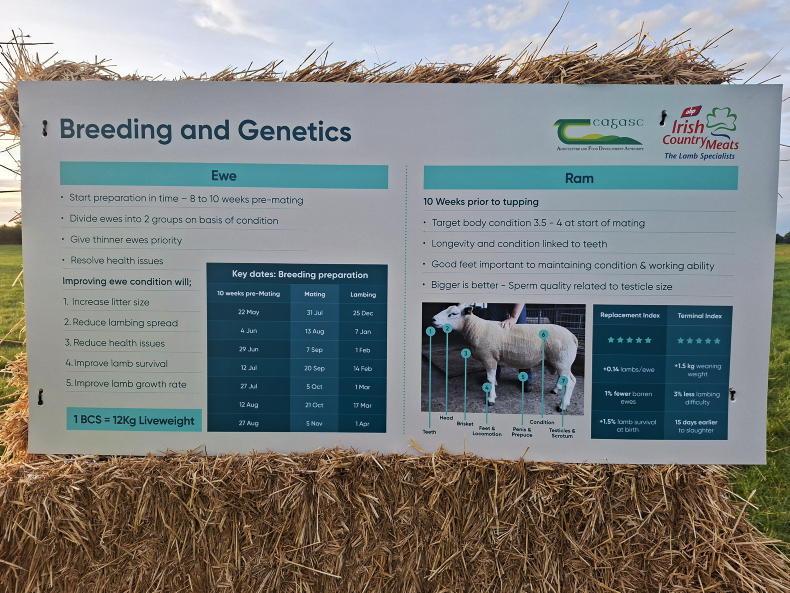
Ciaran encouraged farmers to go through their flocks and pull out cull ewes followed by body condition scoring ewes into 'fit, fat and thin'.
“We don’t need to get worried about the fat ewes, but the fit ewes need to be maintained and ewes on the poorer side need to be looked after with concentrate supplementation if grass supplies are running tight,” Ciaran added.
“At mating, we need ewes at a condition score of 3.5. This time of year, I would want fit ewes to be at a BCS of 3 - she hasn’t much to do ahead of the breeding season to get up to 3.5,” said Ciaran.




SHARING OPTIONS