



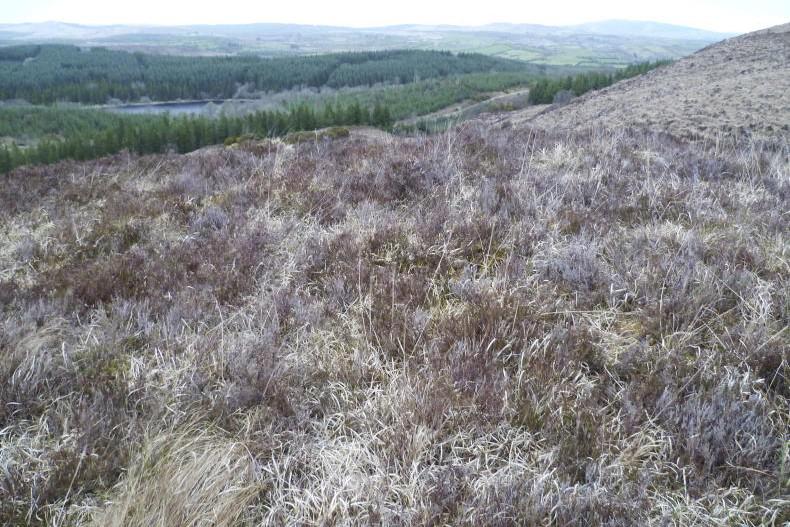
In the last few weeks, West Tyrone MLA Declan McAleer has re-ignited the issue of support to farmers in severely disadvantaged areas (SDA) by bringing forward a private member’s bill to re-instate Areas of Natural Constraint (ANC) payments.
That has since been followed by a supportive statement from the Ulster Farmers’ Union (UFU) who urged all parties at Stormont to back the proposed legislation.
Such backing will be necessary if the bill is to have any chance of making it into law before the next elections, which are due on or before 6 May 2027 – especially given that current DAERA minister Andrew Muir indicated last year he had no intention of re-instating the scheme.
While that rejection by Minister Muir could be seen as a snub by SDA farmers, it is the Minister who has to think through how a scheme might actually be funded. And to be fair to him, a number of his predecessors have been unable to square that particular circle.
Cost effective
Traditionally, payments to farmers on disadvantaged land came from the Rural Development Programme (RDP), but during the tenure of Michelle O’Neill, the department decided that a new ANC scheme would not be cost effective in tackling low farm incomes in these areas. In the end, Minister O’Neill, with the agreement of Executive colleagues, confirmed ANC payments only in 2016 and 2017, with a review thereafter.
That review looked at potential options, including taking money off all farmers to fund the scheme. However, that was opposed by the UFU, who plumped for the least-likely option where funding came direct from the Stormont Executive.
The next Agriculture Minister, Michelle McIlveen, was unwilling to dip into the direct payment pot and with her officials arguing that SDA farms had benefited from the switch towards flat-rate area-based payments, she was left with limited options amid tight Stormont finances.
The final year of ANC payments in 2018 saw £8m paid out to SDA farmers at a rate of £26.57/ha for the first 200 hectares and £19.93/ha thereafter.
The McAleer Bill has ambitions that future payments would be at least as generous as those from 2018. However, history suggests there are lots of hurdles to overcome.



SHARING OPTIONS