



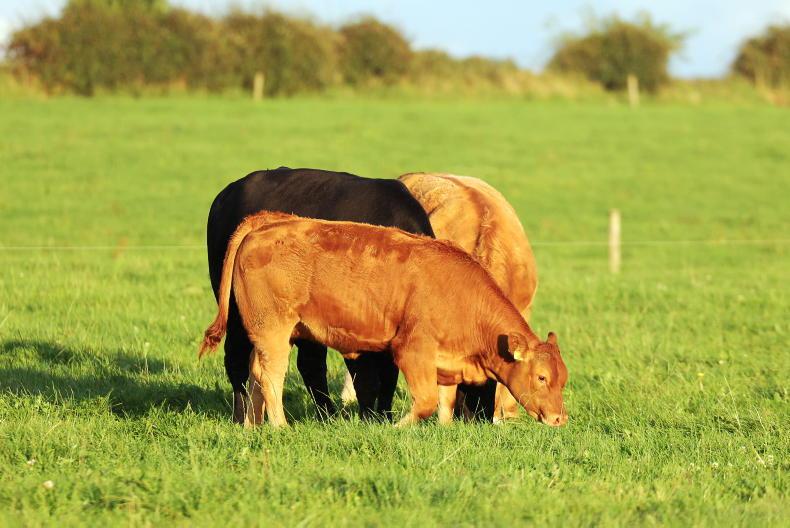
BISS and ANC Stocking rate: Farmers who summer graze stock and wish to obtain the ANC payment need to have stock purchased before the end of April if stock is to be sold off in December this year. There is a 28-week retention period on stock to meet the criteria for the ANC payment. The minimum stocking rate for those 28 weeks is 0.1 LU/ha.
An animal under one year is counted as 0.4 LU and an animal over two years old is counted as 0.7 LU. A male animal over two years old is counted as 1 LU, while a female animal over two years of age is counted as 0.8 LU. The annual average (across the 12-months) must be maintained at or above 0.1 lu/ha.
Regarding BISS, with the backload of work on farms, it’s important not to forget the upcoming BISS closure date. Make sure to give your BISS application the time it deserves. Amendments can be made after this deadline, though it is best for both you and your adviser to try and complete fully where possible the first time.
Breeding: Breeding has kicked off or will kick off on a lot of farms over the next 10 days or so. For any early calving cows that have not begun cycling, a scan will help identify any issues present and hopefully prevent this cow falling behind or not going in calf at all.
Where possible, implement AI on to these early calving cows; heats are much easier to spot when there is a higher level of activity early on in the season, and using AI gives a greater option to produce your own high-quality replacement heifers. A synchronisation program can be drawn up with your vet and AI man to reduce the herding of animals where handling infrastructure is lacking.
Where stock bulls are turned out, it’s important to keep a close eye on them to ensure that they are mounting and serving cows correctly. Some stock bulls that have been indoors over a long winter have been understandably stiff, while younger bulls in their first breeding season may be slow to mount.
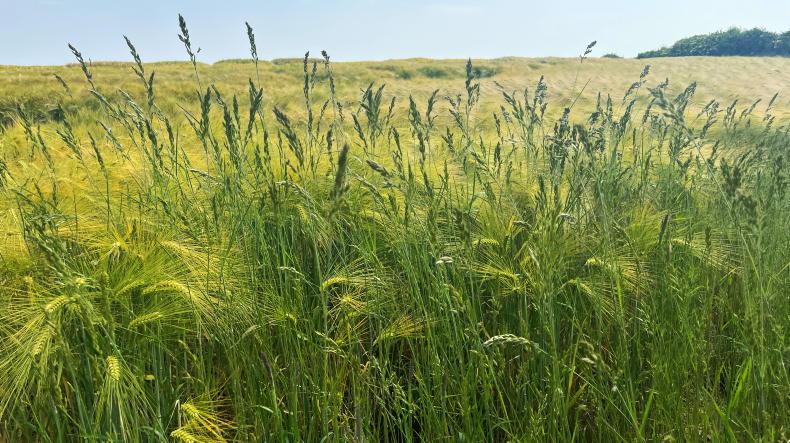
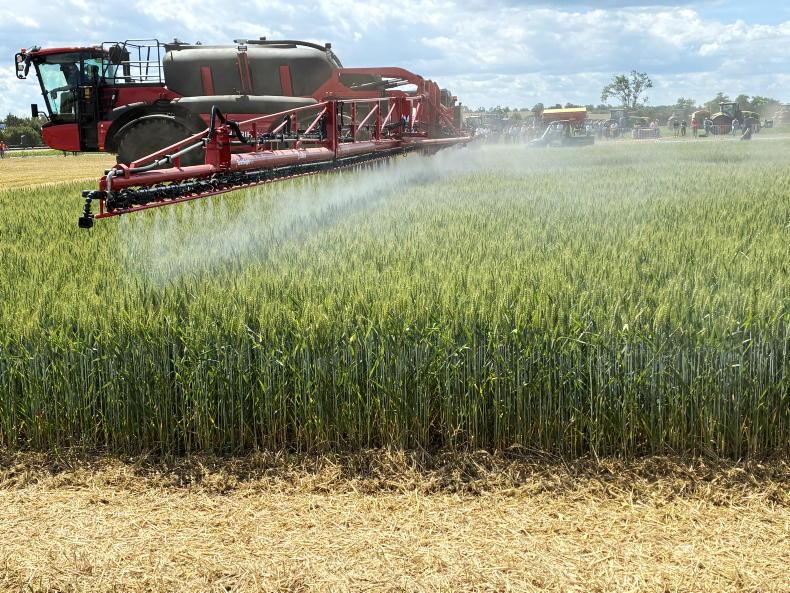
Weed control: While ground conditions haven’t allowed much in the way of spraying, the milder winter has led to ideal weed growing conditions. In first-cut silage, it is important that action is taken to reduce weed levels which will affect silage quality.
Dock stems in particular can cause damage to film on baled silage, while allowing docks to flower will result in weed seeds being dispersed.
Where dock/thistle cover is below 10%, spot spraying with an appropriate herbicide works best and prevents grass growth from being checked. Where there is clover present in the sward, ensure that clover safe sprays are used.
Over-sowing paddocks: With ground conditions allowing more field work, over sowing of paddocks with clover should be completed sooner rather than later. Over-sowing damaged fields with grass/clove silage will also increase ground cover.



SHARING OPTIONS