



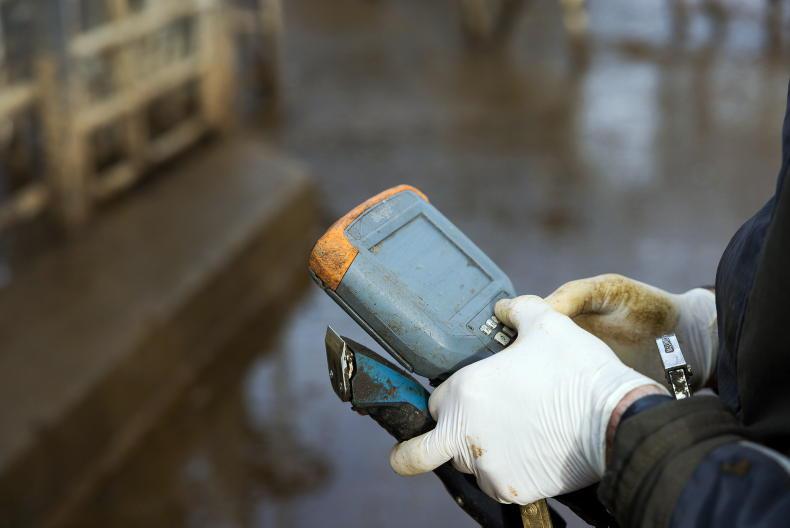
The permanent secretary at DAERA, Katrina Godfrey, has said bovine TB rates in NI remain “excessively high” and that continues to impose a considerable burden on farm families and public finances.
Writing in the annual report and accounts published by DAERA to 31 March 2025, Godfrey referenced a herd incidence rate at 10.76% and costs this year to deliver a TB control programme of over £60m.
“The costs to both farming families and to government, is clearly unsustainable,” said Godfrey.
However, she maintained that a TB review by chief vet Brian Dooher, published last November, which has led to the formation of a new TB partnership steering group, has “represented an important turning point in our approach”.
EU laws
As well as bovine TB, other challenges faced by DAERA include navigating new constitutional arrangements (Windsor Framework regulations) put in place following Brexit.
Listed within the Windsor Framework is EU Animal Health Law (AHL), which lays down rules for the prevention and control of diseases such as TB. It comes with wide ranging requirements including the need for either pre- or post-movement TB testing of cattle.
The DAERA annual report notes that some AHL provisions are delayed to April 2026 and that the department is working to implement rules and introduce relevant domestic legislation by December 2026. Failure to implement AHL could “significantly affect trade” with the EU and third countries, notes the DAERA report.
However, this could prove to be a politically difficult issue for the department. Earlier this year, unionist politicians at Stormont tried to get animal identification and registration legislation annulled because it referenced EU animal health law.


SHARING OPTIONS