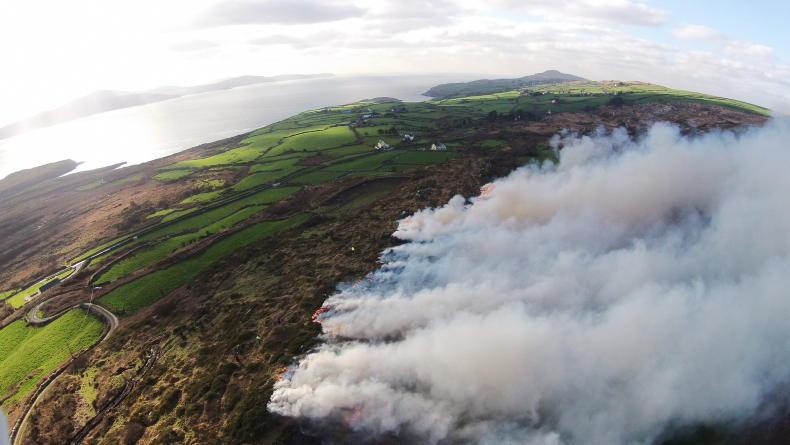
Farmers in NI are no longer carrying out controlled burning as a way of managing upland vegetation, a senior NI Environment Agency (NIEA) official has suggested.
“We don’t think there is a lot of that activity actually going on. It used to be a more common land practice but […] a lot of those skills have been lost,” said Mark Hammond from NIEA.
Under new farm sustainability standards, as well as under the previous cross compliance rules, prescribed burning can only take place from 1 September to 15 April.
The rules also state that farmers are required to notify NIEA at least seven days before a controlled burn is carried out.
“This year we didn’t get any notifications of anyone saying that they were intending to undertake a controlled burn,” Hammond confirmed.
At Stormont’s agriculture committee last week, MLAs were told that the vegetation which grows back after burning is better quality grazing for livestock.
“Prescribed burning done in an appropriate and safe manner is a very, very good tool. It is a tool that has been used for thousands of years,” said Colum McDaid from DAERA.
“But we are in a situation now where not enough people actually have the genuine knowledge and skills to use prescribed burning,” he added.
Ecological damage
McDaid said burning can cause “ecological damage” in upland habitats, so it is advised to create firebreaks that allow small areas to be burned at different times.
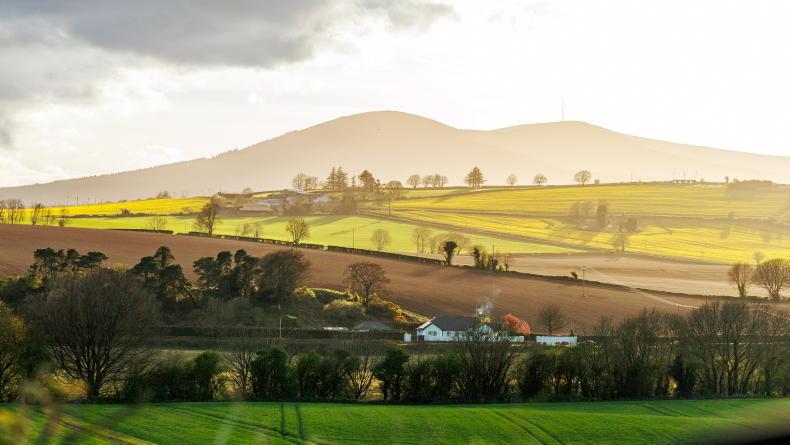
“You should end up with a mosaic so you have different heights of vegetation spread across the mountain rather than just one contiguous large block of heather,” he said.
McDaid said a key problem with recent wildfires in the Mournes was there were large areas of “dense, tall and semi-tall heather”.
“The fire just kept on going. There were no natural breaks in it,” he said.