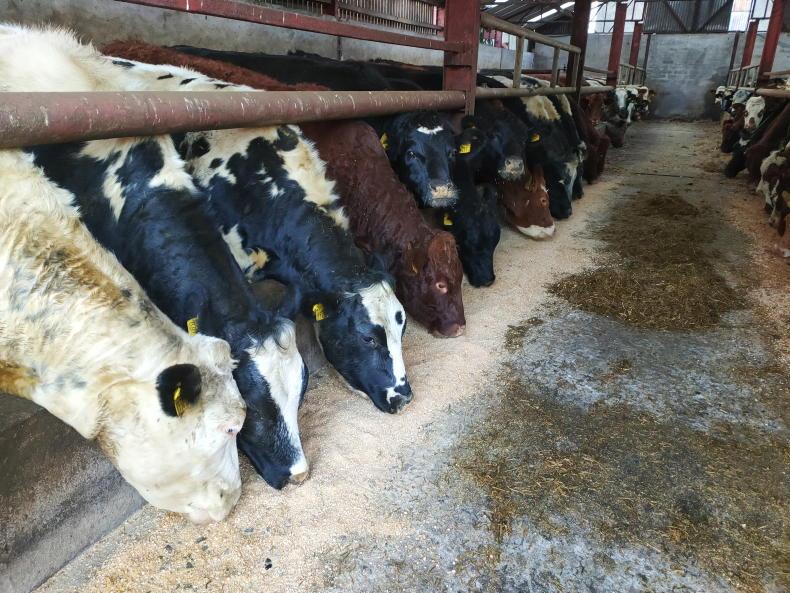
Farmers across NI are pressing MLAs to oppose proposals which would link a new carbon footprinting project to farm payments.
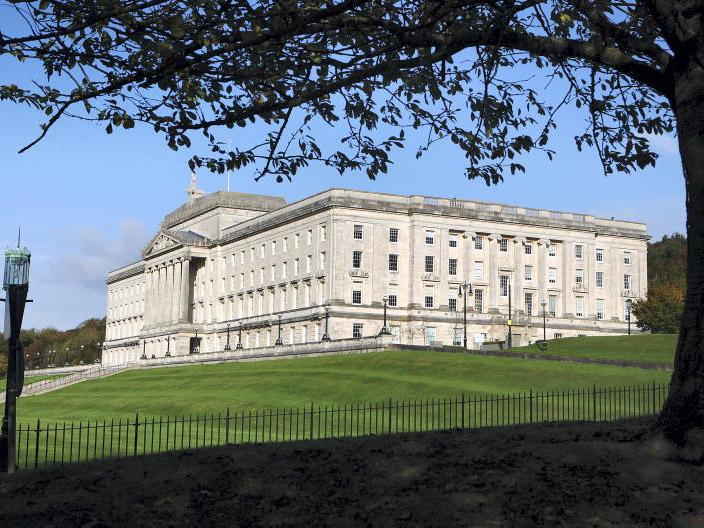
Speaking at Stormont on Monday, the DUP’s Gareth Wilson said farmers were “greatly exercised” by plans for mandatory participation in carbon audits.
“My inbox contains hundreds of emails from farmers who are concerned about the issue of on-farm carbon audits,” the Newry and Armagh MLA said.
Patsy McGlone from the SDLP said politicians representing rural areas had been “inundated with emails about mandatory carbon footprinting”.
The current plan from DAERA is that participation in carbon footprinting will be a condition of the Farm Sustainability Payment from 2029.
For those who do not participate, the proposal is that a 10% payment penalty would apply in the first year, rising to 15% in subsequent years.
Agriculture Minister Andrew Muir said the project was about finding areas for “improved efficiency” on farms, with the aim of reducing financial costs and greenhouse gas emissions.
“The project will not be used as a tool to breach people’s privacy or for herd reduction,” he told MLAs on Monday.
Minister Muir argued that an NI-wide project would establish a “consistent approach” to carbon footprinting by using “a common methodology and calculator”.
“The clear message from consumers, retailers, banks and processors on carbon footprinting is that they want to know about scope three (supply chain) emissions,” he said.
Roadblock
However, it is becoming increasingly likely that mandatory carbon footprinting proposals will hit a roadblock at Stormont’s agriculture committee.
Of the nine MLAs on the committee, four members from the DUP and UUP have already publicly set out opposition to the plans.
A fifth member, the SDLP’s Daniel McCrossan, has voiced newfound misgivings in recent weeks about the impact of climate change policies.
For example, at last week’s meeting, the West Tyrone MLA said there were “considerable unanswered questions” about DAERA’s fourth carbon budget which sets emissions targets up to 2042.
McCrossan, who supported the 2050 net zero target when climate legislation was passed at Stormont in 2022, said he missed a vote on the carbon budget last month because he had to chair another Stormont committee.
“Had I have been there, I would have been voting to have further scrutiny of officials,” he said.