



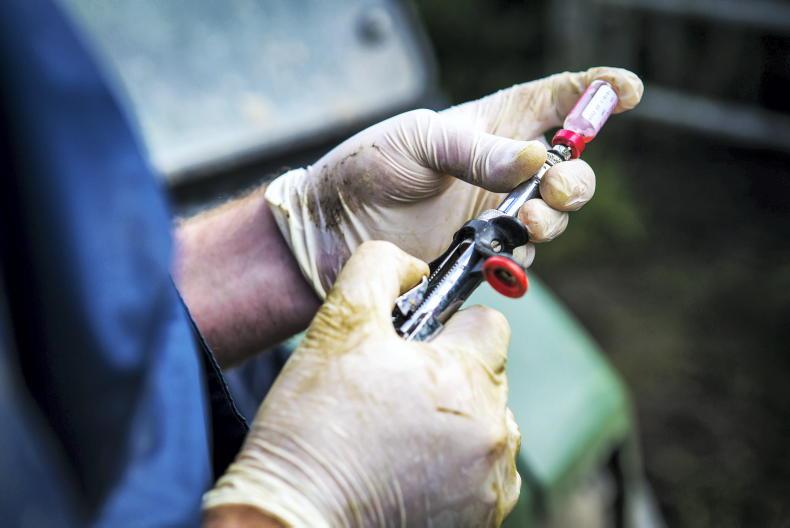
We have probably all become pretty immune to stories about the numbers of TB reactor cattle in NI, but if you actually take time to digest the figures on page 8, it really does paint a pretty grim picture.
To the end of July 2026, a total 10,989 cattle have tested positive to the disease. If current rates are maintained for the rest of the year, it is likely we will end up with over 20,000 TB reactors, which will be more than double what we have seen over much of the last 20 years.
There are many reasons why we have got to this point and no doubt there has been a collective failure among politicians and policymakers to take difficult decisions around TB in wildlife.
Farmers will often also point to the inadequacies of the current skin test, which does miss some reactor animals. However, despite many years of research, countries around the world are yet to come up with a viable alternative. It is also important to point out that just because an animal doesn’t have visible lesions at slaughter, doesn’t mean it didn’t have TB.
As farmers, we have to do more to keep TB out of our herds and on our farm boundaries that has to mean fences on both side of the hedge, not just one.
But we also need the wildlife issue sorted and that will ultimately require ministerial direction.
To be fair to the department, it has come forward with a detailed plan, with a public consultation due to conclude at 5pm on 9 October.
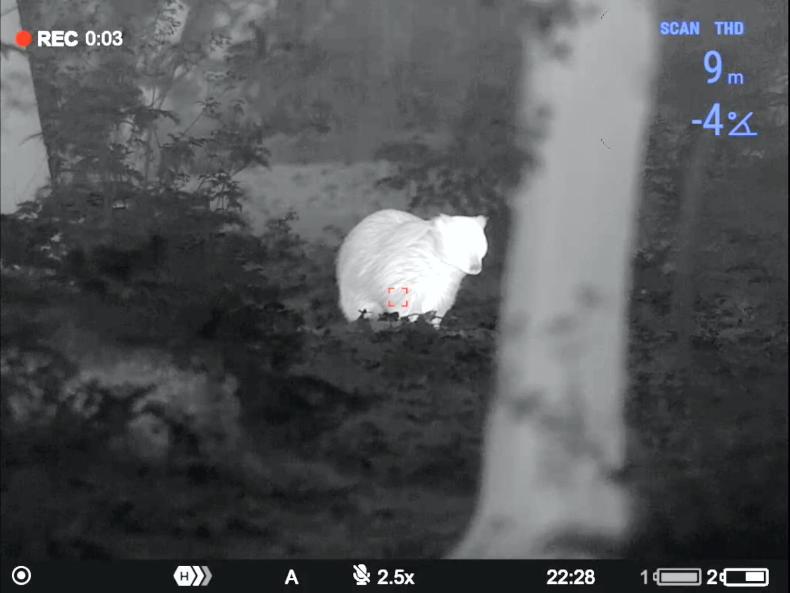
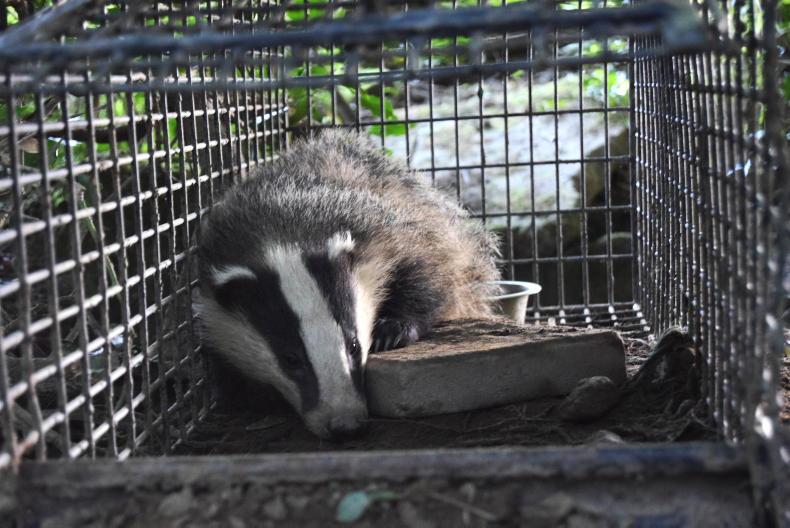
Reading through all those documents, the logical conclusion is we need to get disease rates down in wildlife by culling badgers in TB hotspot areas, predominantly via controlled shooting by trained marksmen.
But we also have to seriously question whether this will ever happen, following on from the furore created after a cull of 51 cattle outside Fivemiletown at the end of June. There will be no difference in the eyes of many among the general public between shooting cattle using trained marksmen and culling badgers using the same approach. That is an extra hurdle we all now face.


SHARING OPTIONS