



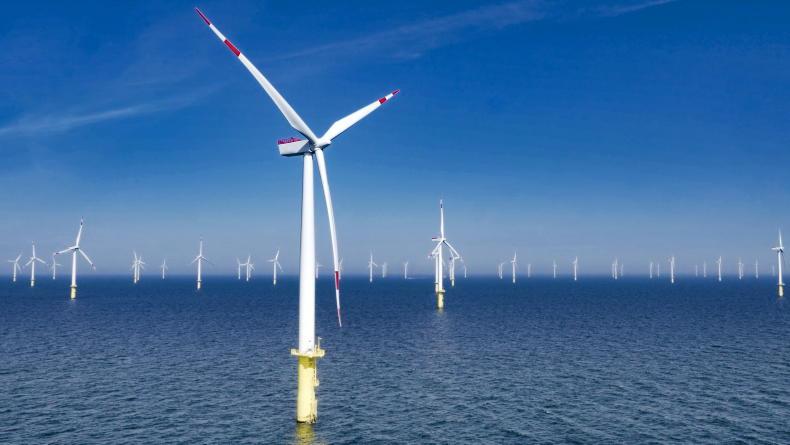
The southwest is already one of Ireland’s most important energy-producing regions and could play an even bigger role over the coming decades, according to the KPMG South West 2040 report.
Cork and Kerry already have a concentration of existing energy infrastructure in, alongside major planned investments in offshore wind, electricity interconnection, hydrogen and battery storage. This means the region is poised for development, presenting both opportunities and challenges for farmers and rural communities.
Established base
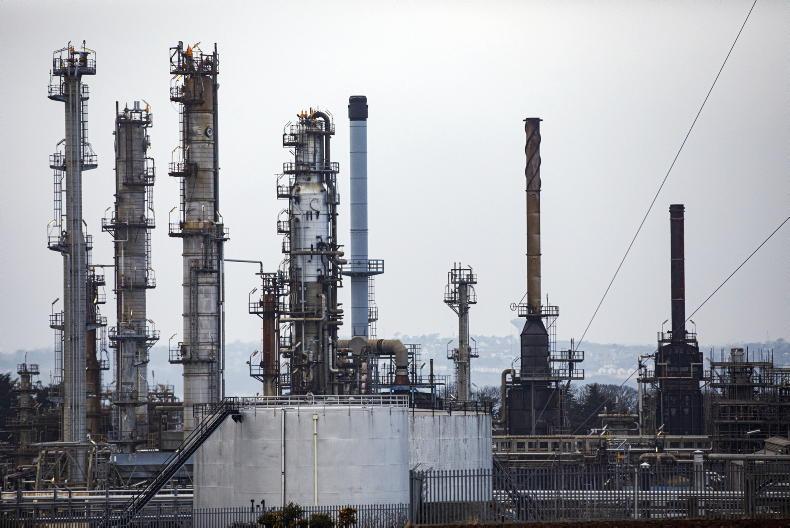
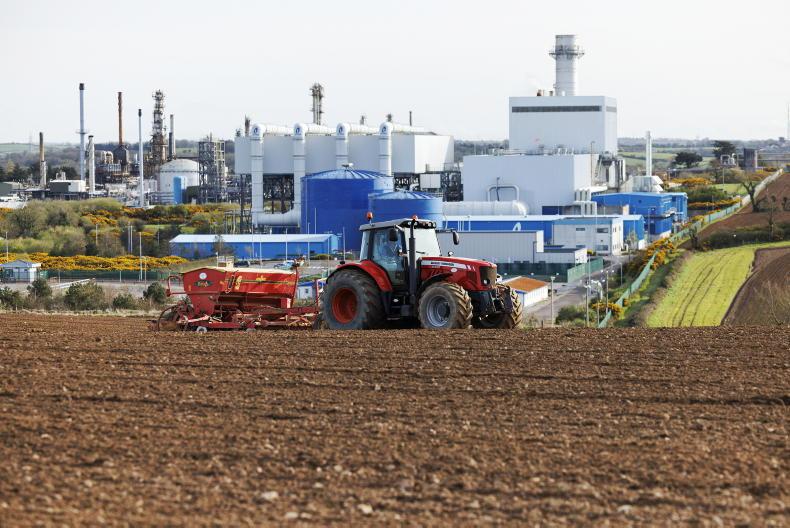
According to the report, Cork supplies more than 25% of national energy demand and is home to around 20% of Ireland’s installed electricity generation capacity. Much of this activity is centred around the Whitegate oil refinery and the gas-fired power stations at Aghada and Whitegate.
The report argues that this established energy base gives the region an advantage as Ireland transitions towards greater use of renewable energy sources.
The region’s importance to the national energy system has developed over decades, with Cork Harbour serving as a key focal point for energy generation, fuel imports and industrial activity.
Renewables concentration
Renewable electricity generation is already heavily concentrated in the southwest. Cork accounts for approximately 12% of Ireland’s installed wind generation capacity, while Kerry contributes around 13% of national wind generation. Wind energy has become an increasingly important feasture in both counties over recent years. The scale of renewable generation in Kerry was highlighted in May 2025, when the county generated 82GWh of renewable electricity, the highest output of any county in Ireland.
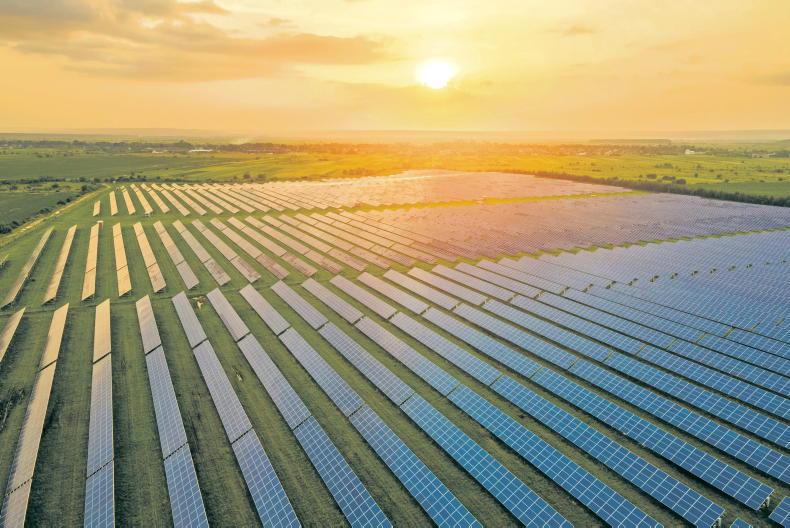
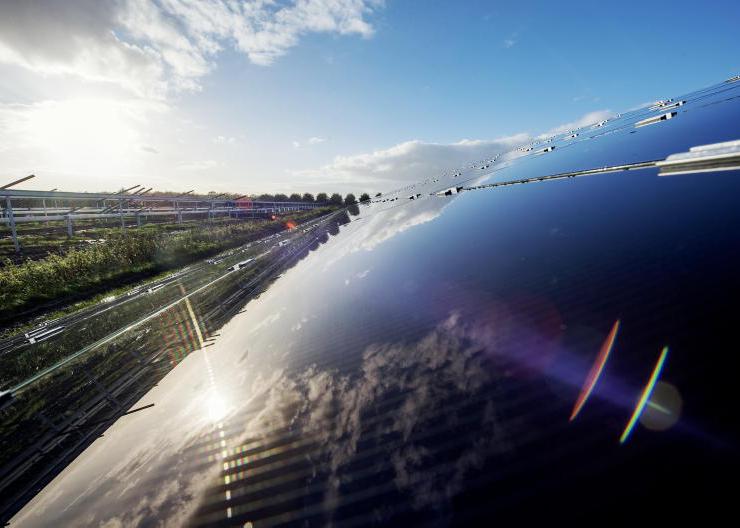
Alongside wind energy, solar development has expanded significantly. The report shows that more than 50 solar farms have received planning permission in Cork in recent years. However, solar development remains a contentious issue in farming areas.
While landowners may see opportunities through leasing arrangements, concerns continue to be raised about the long-term use of productive agricultural land for energy generation. The debate around balancing food production and renewable energy development is likely to continue as further projects are built.
Offshore gathering momentum
One of the most significant opportunities identified in the report is offshore wind. The south coast has been identified as a key location for offshore renewable energy projects, with the proposed 900MW Tonn Nua offshore wind farm among the developments planned for the region. The project is expected to connect to the national grid through east Cork and Great Island in Waterford.
Offshore wind is expected to play a major role in helping Ireland meet future renewable energy targets, but remains significantly behind schedule, with no turbines likely to be erected before 2030.
Major projects
Supporting offshore wind and wider energy development will require significant investment in infrastructure. The Port of Cork is expanding its deepwater facilities at Ringaskiddy, while the Ireland Strategic Investment Fund has committed funding towards infrastructure for offshore wind assembly and storage.
Facilities capable of handling large turbine components and specialist vessels will be required as projects move from planning into construction. Another major development is the Celtic Interconnector, which is scheduled to come into operation in early 2028.
Hydrogen and battery storage
The southwest is also being positioned as a centre for emerging energy technologies.
Plans are being developed by ESB, Bord Gáis Energy and CarbonX to convert the depleted Kinsale gas field into a hydrogen storage facility. A number of energy companies have also established the Celtic Hydrogen Cluster, which aims to use electricity generated from offshore wind to support industries that are difficult to decarbonise. The former Tarbert power station site in Kerry, which has been part of Ireland’s electricity system for six decades, is being developed for large-scale battery storage projects.
Grid capacity
Despite the region’s strengths, the report identifies grid capacity as one of the biggest barriers to future energy development. According to KPMG, electricity generation in the southwest already exceeds the capacity of the transmission network. As a result, renewable electricity is often curtailed, or “dispatched down”, because the grid cannot carry all of the power being generated.
There are currently 39 transmission grid projects planned across the southwest, most of them in Cork. Despite these investments, EirGrid expects dispatch down levels to increase in the years ahead. Implications for agriculture. The report also highlights agriculture’s importance to the southwest economy. The region remains central to Ireland’s dairy sector and accounts for a significant share of national milk production.
However, grass-based farming systems are vulnerable to changing weather patterns. While warmer temperatures could boost grass growth, projections point to heavier rainfall, flooding, summer moisture deficits and drought.
These conditions could create challenges for grazing, fodder production and farm management.
KPMG recommends greater emphasis on agroforestry, mixed farming systems, bio-economy feedstocks, and improvements in soil health and nutrient efficiency. The report concludes that offshore wind, existing energy infrastructure, battery storage, hydrogen development and international electricity connections place the southwest at the centre of Ireland’s energy transition.
However, future growth will depend on the grid’s ability to accommodate increasing renewable generation.
Without sufficient transmission capacity, much of the region’s renewable energy potential may remain untapped.
For farmers, the expansion of the energy sector is likely to remain a thorny issue.
Renewable developments, changing land-use patterns and climate change will continue to shape the future of the southwest.



SHARING OPTIONS