



DEAR EDITOR
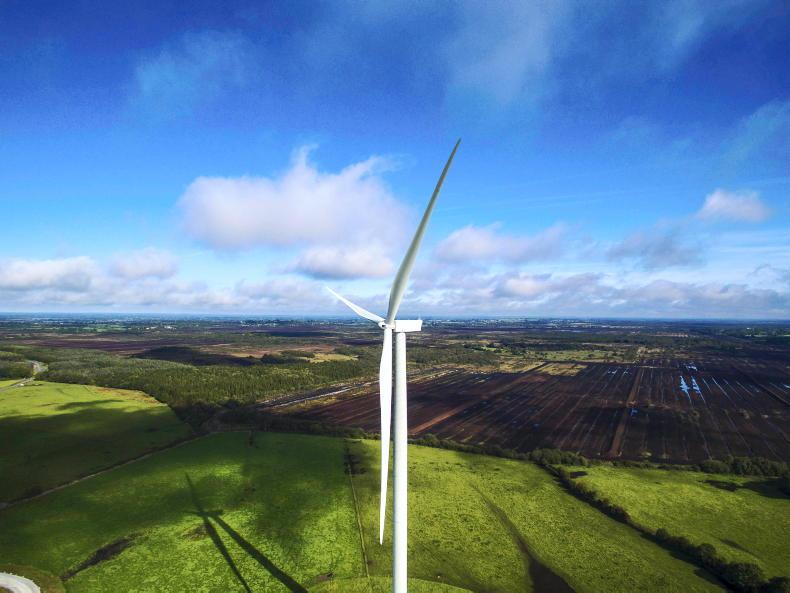
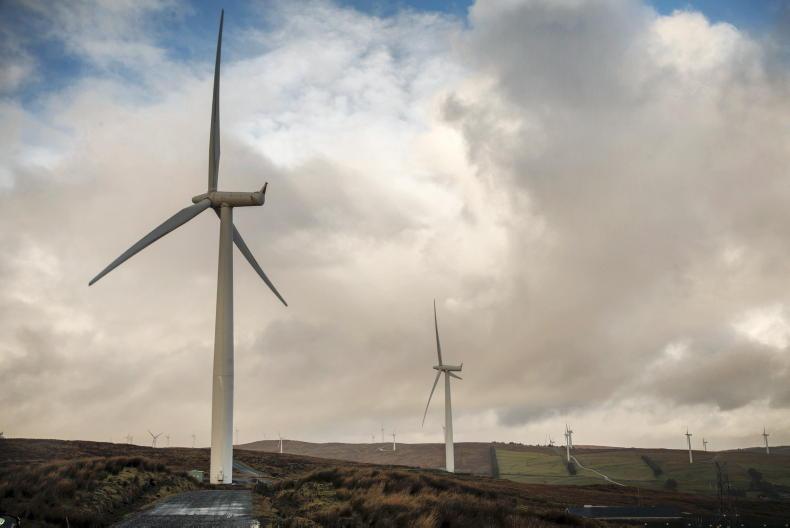
Irish wind farms are providing families, farms and businesses across the country with clean, affordable and secure electricity. Since 2000, they have saved consumers more than €840m, even after accounting for the costs of integrating renewable energy into the electricity system.
They achieve these savings by reducing the wholesale price of electricity. In June, for example, the average wholesale electricity price on days when there was a large amount of wind generation was €111.20 per megawatt hour. On days when Ireland had to rely heavily on imported fossil fuels, the price rose by 58% to €175.83.
The reality is that Ireland’s electricity bills remain high because we are still heavily dependent on imported gas. A major ESRI report published earlier this year compared Ireland’s electricity market with those across Europe and reached a clear conclusion: our exposure to international fossil fuel markets is the key driver of high electricity prices.
The report also identified renewable energy as part of the solution, stating: “As more renewables are deployed, Ireland will be less exposed to these international fuel prices, and the wholesale electricity price may decline. Therefore, renewable deployment provides an immediate benefit to the consumer.” This is particularly true for new wind and solar farms supported through the Government’s Renewable Electricity Support Scheme. The ESRI found that projects operating under this scheme have already returned more than €440m to consumers, helping to offset electricity costs rather than adding to them. The report also highlighted that countries which accelerated renewable energy deployment following Russia’s invasion of Ukraine were among those that saw the greatest reductions in electricity prices. The lesson is straightforward: reducing dependence on imported fossil fuels helps protect consumers from price shocks.
Unfortunately, public debate about renewable energy is often clouded by misinformation. Claims are frequently repeated about wind farms increasing electricity costs or damaging the economy, despite a constantly growing body of evidence showing the opposite.
Debate about the future of our electricity system must be grounded in facts, data and credible research rather than myths or misinformation. The decisions we make now will affect consumers, communities and businesses for decades to come.
Every electricity customer in Ireland is better off today because renewable energy projects have reduced our dependence on imported fuels. Successive governments deserve credit for supporting policies that have enabled the development of wind and solar energy, and consumers have already benefited from those decisions. Yet it may not always feel that way. When electricity bills remain among the highest in Europe, many families, farmers and small businesses understandably struggle to see the savings that renewable energy is delivering. The reality is our bills will remain too high for exactly as long as we choose – and it is a choice – to maintain our dependency on imported gas, to allow the CEOs of fossil fuel companies to decide how much a family in Roscrea should pay to charge their car, or how much it costs a farm in Monaghan to run a milking parlour.
At a time of continuing energy insecurity and growing climate pressures, Ireland sends enormous sums of money overseas every year to import fossil fuels that we do not produce. There is a better alternative, and it is already proving its worth.
Ireland has some of Europe’s best renewable energy resources. We can generate more of our own electricity, reduce our exposure to volatile gas prices, strengthen energy security and keep more money in the domestic economy.
Achieving that goal will not be easy. It will require new onshore and offshore wind farms, more solar energy, a stronger electricity grid and the continued electrification of transport and heating.
But the first step is rejecting the false choice between economic growth and environmental sustainability. Ireland can have both. Indeed, our future prosperity depends on it.
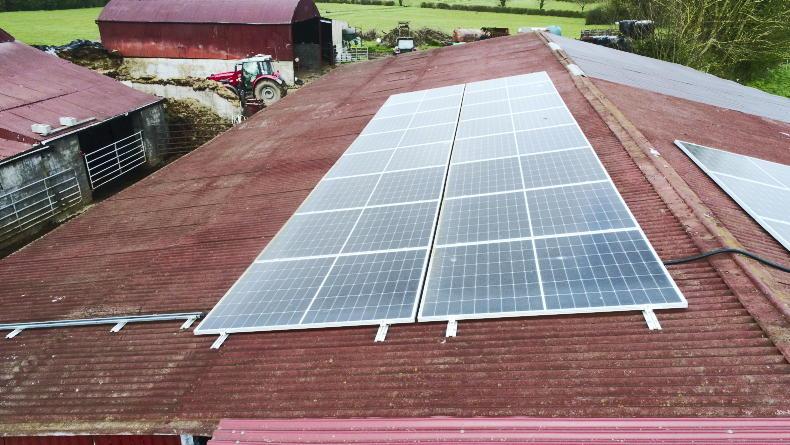
It is time to stand up for Irish electricity consumers by supporting the development of a clean, secure and affordable energy system that strengthens our economy, supports farmers and businesses, and delivers lasting benefits to households across the country.



SHARING OPTIONS