With only a handful of modifications, Ireland’s existing planning exemptions have remained largely unchanged for over 20 years. While you still need to notify your local county council, a planning exemption allows you to build or install a system without having to go through the full planning process.
A lot has changed in the past two decades and in recognition of this, the Government now plans to update what qualifies as exempted development. This is particularly important for farm renewables, where certain systems are already exempt.
However, as new technologies and schemes emerge, and given how easily a planning application can be delayed or stalled, the Government intends to review and modernise the regulations.
This includes proposed changes to exemptions for wind and solar projects, and for the first time, consideration of exemptions for anaerobic digestion (AD) plants. A public consultation on the changes is currently open.
What is already exempt?
The existing planning exemption for renewable technologies on Irish farms cover a lot, but some elements are quite restrictive and outdated:
Setback requirements include 1.5 times the total height plus 1m from site boundaries, 20m from 38kV distribution lines and 30m from 110kV or higher transmission lines.
Turbines must be at least 100m from another turbine and 5km from airports or aerodromes unless aviation approval is granted. Noise levels must not exceed 43 dB(A) at the nearest dwelling. Only one turbine is allowed per farm, and all turbines must have a matt, non-reflective finish with no advertising.
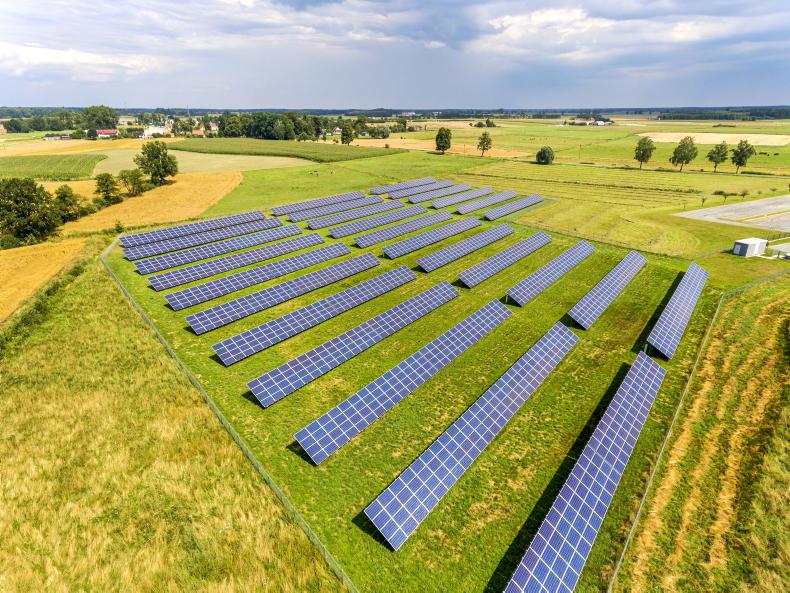
Ground-mounted systems are limited to 75m², must not exceed 2.5m in height and cannot be placed in front of the nearest farm building facing a public road.
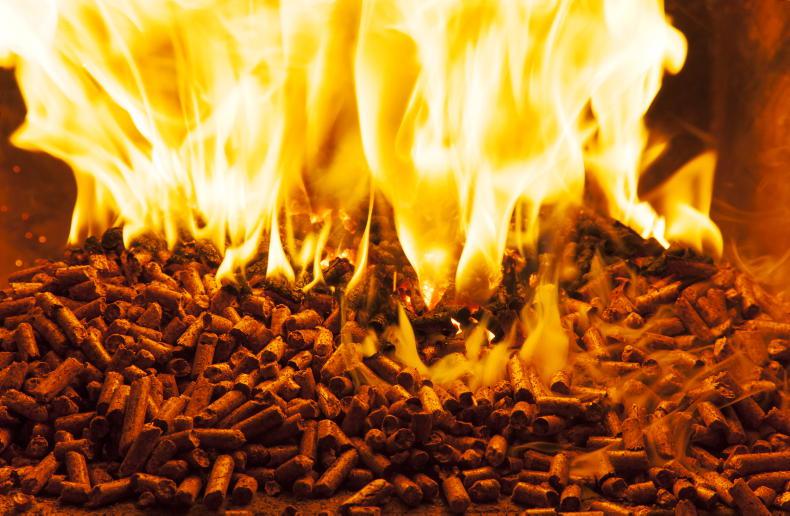
Only one biomass unit is permitted per farm. It must be at least 10m from public roads and 100m from nearby homes or public buildings.
Only one unit is permitted per farm. Flues are limited to two, each no taller than 16m and no wider than 1m.
Proposed changes
The current consultation seeks public input on proposed changes to existing planning exemptions and the introduction of new ones, and asks the following questions:
The author Stephen Robb is currently involved in a family/community proposal for an anaerobic digestion facility in Co Donegal.
Comment: simple and complex
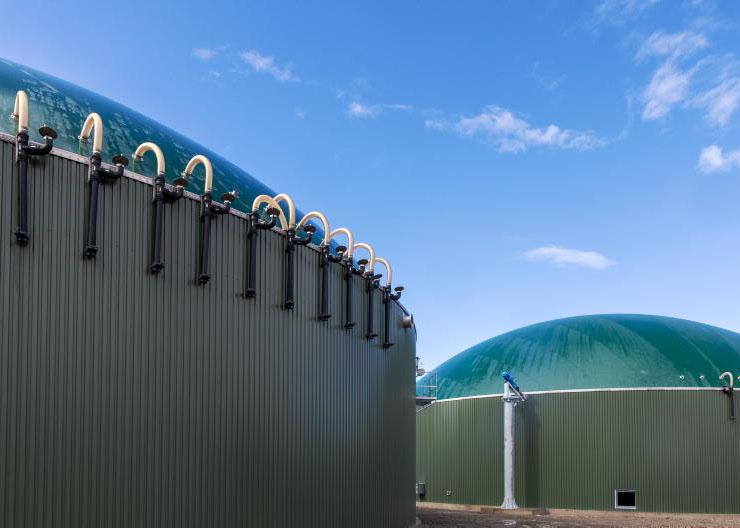
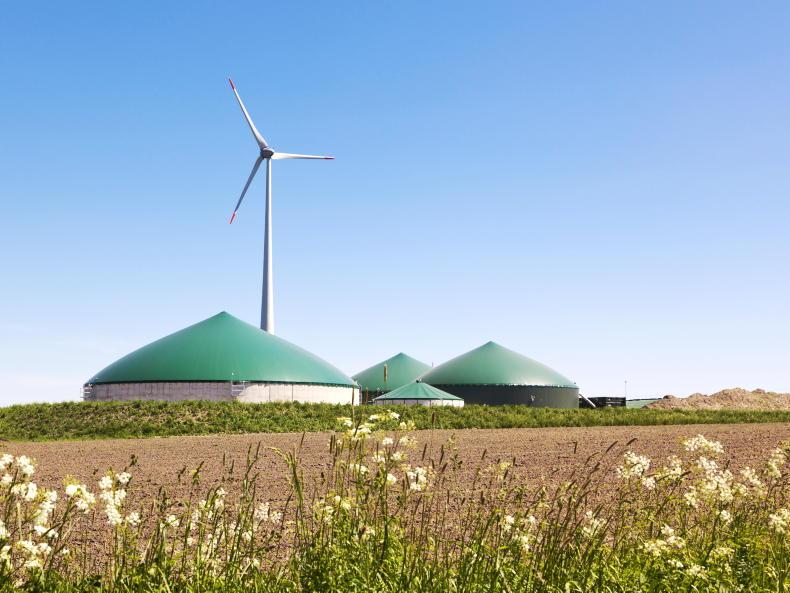
There is a strong case to exempt a farm-scale AD plant, particularly small single- or double-tank systems.
Commenting, Seán Finan, CEO of the Irish Bioenergy Association, agrees that “the development of biogas production facilities on farms where the main inputs are feedstuffs available on the farm only (specifically meeting the Animal By-Products Type 9 plant requirements) should be exempted for planning altogether as part of these proposals.
“These plants are relatively small biogas units, where the sizing is based on the volume of feedstock available on the farm only and the energy generated is primarily used on the farm.”
If the biogas is then used to make electricity via a CHP to power the farm, then this system is relatively straight forward.
However, if the gas is upgraded and sold as biomethane, the system becomes more complex.
Upgrading requires additional technology, involves venting CO2 after processing and typically includes gas compression, so that biomethane can be transported off-site by trailer, HGV or tractor. A blanket exemption to biogas upgrade technology may be difficult, but certainly an exemption for the AD plant itself is warranted.
On storage, Finan also said “Any new slurry storage exemptions must also include for facilities for the storage on farms of digestate from AD processes”.
“There is also a contradiction in the current exemptions which has caused issue on pig and poultry farms for SEAI supported biomass projects. Class 8 currently exempts the installation of animal feed silos by farmers for storage of animal feed up to a height of 8m subject to conditions.
“Whereas Class 18E (renewable technologies on farms) states that the maximum height for an identical silo to be used as a store for wood pellets or wood chip, for fuelling a biomass heating system on the same farm should not exceed 3m. The current 3m height restriction for biomass silos reduces the capacity of the biomass storage silo resulting in more deliveries and potentially more silos” he said.
As for wind and solar PV, exemptions for larger wind turbines and ground-mounted solar systems are badly needed.
The new Small-Scale Renewable Electricity Support Scheme (SRESS) is meant to let farmers install wind and solar projects and earn 15 years of guaranteed income. But with a minimum system size of 50kW required to qualify for SRESS, no system that size (except rooftop solar PV) fits under current planning exemptions.
If farmers are to invest in renewable systems, make it easy for them.
Take part
To participate in the consultation, you’ll need to log in or register on the official consultation portal. The deadline for submissions is 26 August 2025. Scan the QR code below: