


Irish food and hospitality professionals breathed a collective sigh of relief as the budget announced a lowering of the VAT rate – currently set at 13.5% – back down to the COVID-19 levels of 9%. This comes after three years of closures and financial struggles for small, rural hospitality businesses facing post-COVID staffing issues and massive increases in the cost of ingredients and overheads like gas and electricity.
The Restaurants Association of Ireland (RAI) welcomed the lowering of the VAT rate, saying it was a “vital recognition of the economic and cultural importance of Ireland’s restaurant and hospitality sector.”
In a statement, the RAI also warned of the cost restrictions projected for early 2026 as the VAT rate is not set to be lowered until July 2026.
“Ireland’s restaurant and hospitality sector is one of the largest employers in the country, with over 220,000 people working in the industry, the vast majority in small to medium sized enterprises [SMEs] that are central to local economies, particularly in rural Ireland,” said RAI CEO Adrian Cummins. “With 99.6% of the 20,213 hospitality businesses in the sector being SMEs, they simply do not have the capacity to absorb the planned cost increases in January 2026.”
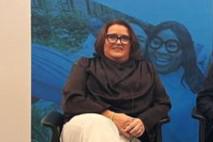
Louise O’Connell owns and operates The Runner Bean café in Thurles, Co Tipperary. She agrees that while the 9% VAT rate will be a welcome relief, it is coming too far down the line.
“There are children who haven’t even been conceived yet who will be born before we get this reduction in the VAT,” she says. “The fall-off after Christmas is the worry, and with the minimum wage increase the entire [wage] chain goes up. Consumers will be faced with further price increases as businesses look to off-set. It’s great it’s coming and from what I’ve heard this rate will be guaranteed until 2030, but the July thing is a bit of a disaster.”
We have three third level colleges, so where we don’t have tourism, we do have hospitality and a lot of it
Fine Gael recently held a business conference in Co Carlow and asked her to speak on a panel with Minister for Enterprise, Tourism and Employment Peter Burke.
“I just gave it to them about the realities of how things are,” she says. “I said, ‘I can only speak for Thurles, we don’t have any tourism in Thurles, despite being the birthplace of the GAA, but we are a centre for education.’ We have three third level colleges, so where we don’t have tourism, we do have hospitality and a lot of it. The first thing I said is the VAT needs to come down as soon as possible. The 9% stabilises us – that’s all it does. It’s not a magic wand, but when the world is so volatile and you’ve no control over energy or suppliers, the one thing you can control is the VAT – so why not control the controllables?”
In response to the idea that the 2026 Budget is a “Big Mac” budget serving the likes of McDonald’s and Supermacs, Louise points out that most of those businesses are franchises owned by regular Irish families.
“In 75% of Irish hospitality businesses there are fewer than 10 employees,” she says. “Small cafés like mine have replaced pubs in rural Ireland. If you come in, you’ll see widows, retirees, friends meeting for coffee. I’d be mortified if I had to charge these people €12 for a cup of tea and a scone. These aren’t just customers; they are neighbours and friends and there are huge social benefits to keeping businesses like mine and so many others afloat.”


SHARING OPTIONS