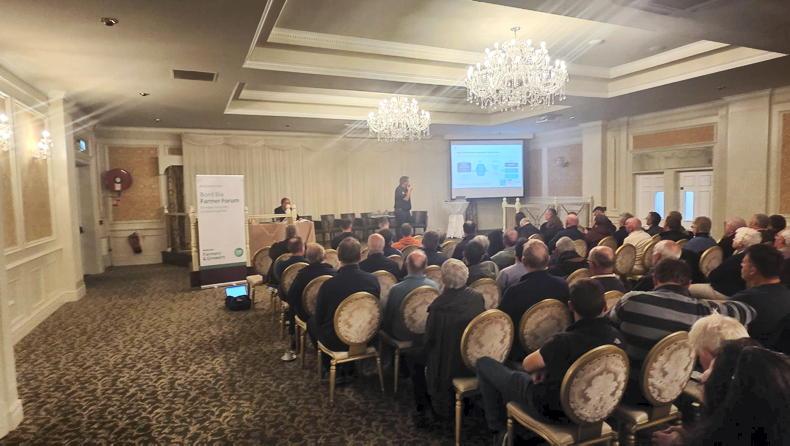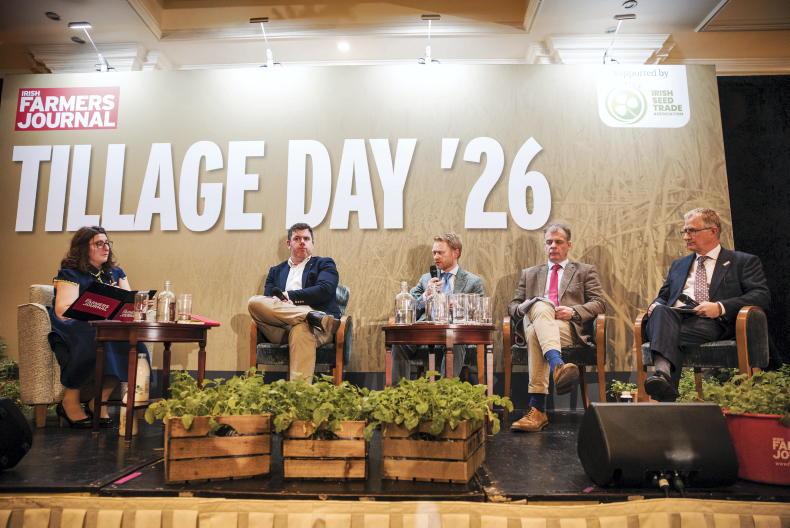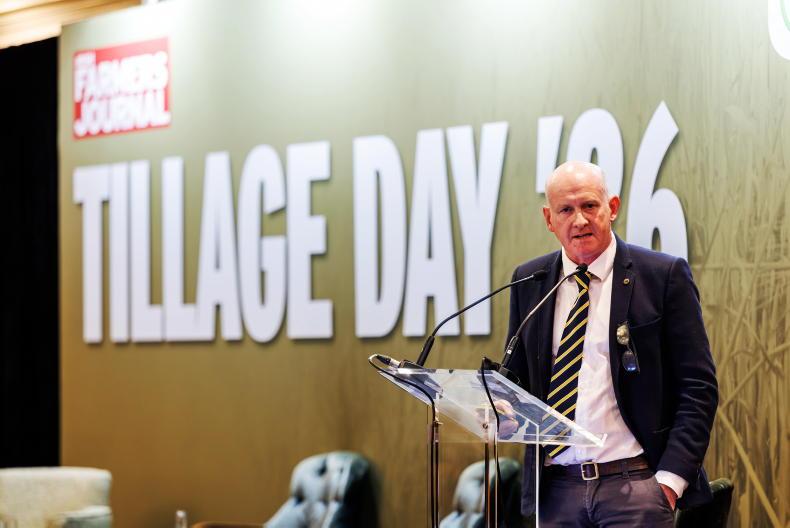
Tillage Day 2026 was notable for many things, but perhaps one of the most striking was seeing a debate between two dairy researchers as to what the optimal level of inclusion of Irish grain should be in the dairy cow diet.
Could anyone imagine two tillage researchers being invited to debate the merits of Irish grain and protein crops at a dairy conference? This shows the dependency of the tillage sector on livestock farmers.
That dependency has been exacerbated by the effective implosion of many of the value-added food grade cereal crops. The porridge oats business, after a period of growth, has contracted again with Flahavan’s now the only significant buyer of breakfast oats.
A difficult market for whiskey has seen the market for distilling barley disappear. This leaves malt barley for brewing as the only significant feed-grade crop. However, this year, growers received little or no bonus over feed for that crop.
This Thursday, the IFA’s entire malting barley committee are meeting with representatives of Boortmalt. Among the items they will raise is the justification for the €10/t charge included in the price, which is otherwise calculated from the FOB Creil in France. Farmers are arguing that this “parity payment” previously known as a drying charge, then handling charge, implies that there is no value to Boortmalt’s Irish customers in having Irish malt barley over having barley shipped in from France or elsewhere.
This seems hypocritical when you think of the branding of Irish drinks. Grower anger over the poor harvest price was only increased with a forward selling offer from Boortmalt (through their contracted merchant assemblers) for next harvest of €250/t. That’s over €30/t better than what was paid at harvest. The pricing model has worked quite well up until this year, and there will always be the odd year when any model disappoints, but the imposition of the €10 charge is universally seen by growers as putting the boot in.
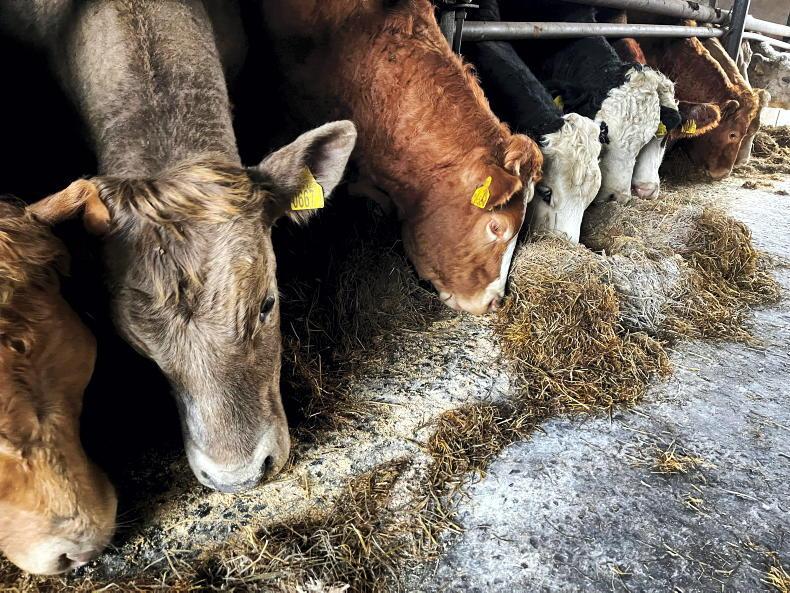
But then again, if Irish dairy and beef farmers can see no reason to buy Irish grain for their cattle unless it’s cheaper than imported grain, are they any better? The dairy sector, in particular, would need to be careful that it doesn’t snare itself in a logic trap. What if consumers adopted the same mentality when choosing between premium-brand and own-brand milk on Irish supermarket shelves? Both Centenary co-op and Tirlán have made efforts to prioritise Irish grain, which is to be welcomed.
There are other reasons of self-interest for livestock farmers to support native grain. Livestock farmers need straw for bedding and feeding, pig and poultry sectors need tillage land to spread their slurry and dung on. The Bord Bia QA scheme might be one way to build synergy between native grain and proteins and the livestock sectors, but it needs to happen fairly soon.