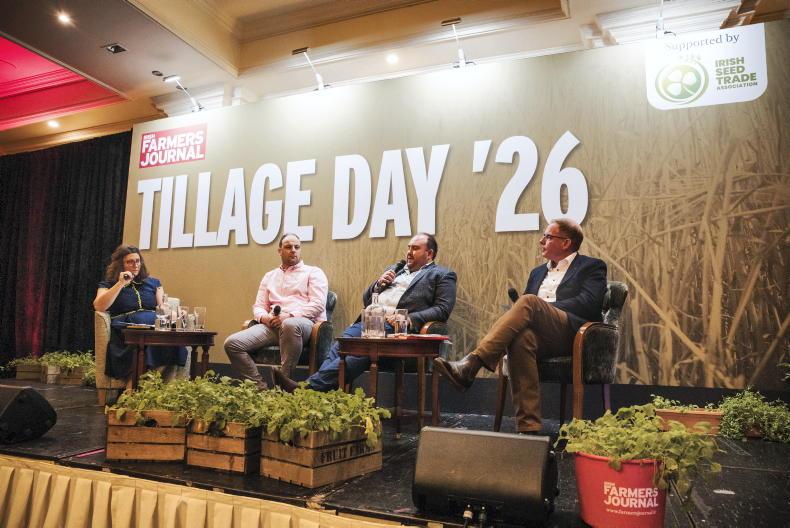
The introduction of a minimum inclusion rate for Irish grain is seen as the most-necessary step to improve the outlook of the tillage sector.
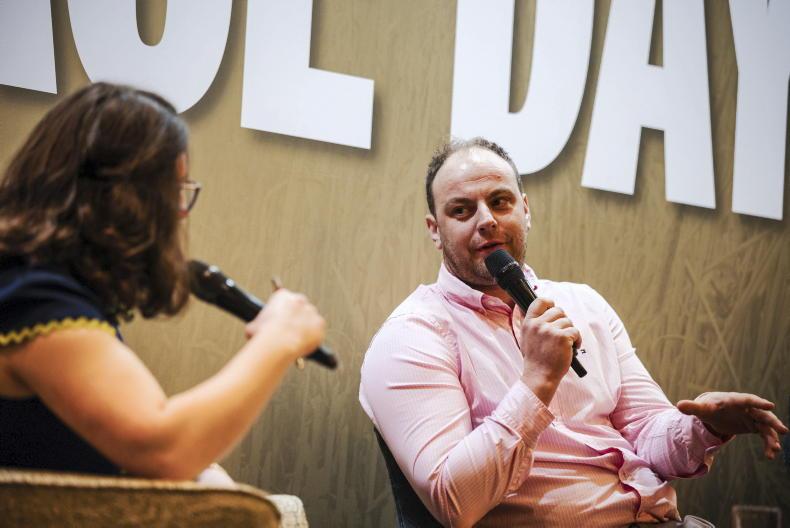
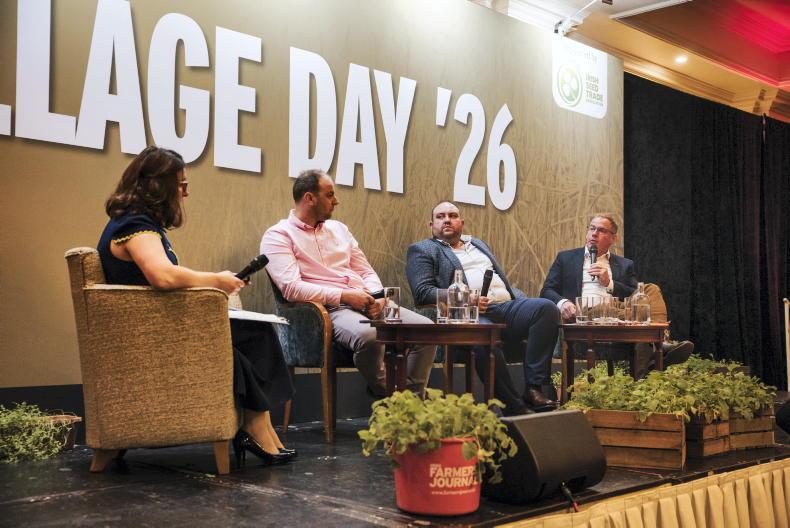
A survey of Irish Farmers Journal Tillage Day attendees got their thoughts and opinions on the Irish tillage sector.
The minimum inclusion rate was cited by 40% of those polled, followed by sourcing new and improved grain markets at 31%.
Markets
The use of Irish crops by the livestock sector was a huge source of conversation on the day. Only 21% of attendees reported being in fodder-growing agreements with a livestock farmer, but 69% of those not currently in an agreement would consider it, underlining the potential for closer collaboration between tillage and livestock farmers.
Attendees were also asked: “Would you grow a gene-edited crop on your farm?” Seventy percent would be willing to do so, with a further 16% currently unsure.
The area of non-feed crops has increased for 25% of attendees over the past five years, with 61% growing the same amount as five years ago.
Of those who said they currently grow malting barley, or grew it in the recent past, 13% will not grow it again next year, and 25% gave up growing it in recent years.
Sixty-one percent of attendees think fuel and fertiliser costs will have the biggest impact on their margins next year, although grain prices are seen as a more important factor by 28% of those polled.
With margins currently being squeezed, only 13% of attendees prioritise input reductions when growing a crop, while 35% prioritise yield and 52% prioritise margin.
Yields
Weather conditions are seen as the biggest yield-limiting factor by 66% of attendees. A further 22% chose weed, disease and pest pressures. However, 27% responded that their crop yields increased by more than 10% in the last 10 years.
A clear majority (69%) of survey respondents said that the area of land they manage will remain at the same level for 2027.
However, only 28% of those surveyed said they were positive about the future of the tillage sector.