



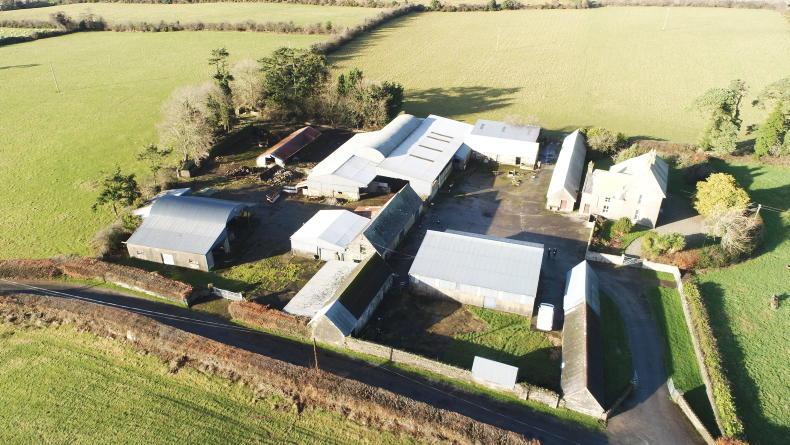
So, the Targeted Agriculture Modernisation Scheme III has been confirmed.
A staggering €370m in support, to which farmers will add at least €500m, and more likely close to a billion of their own money in capital investment, as bigger items will test the TAMS ceiling.
The ability of small family businesses to dig deep to make their farms more environmentally sustainable, and to achieve higher animal welfare and farmer safety levels is admirable.
Meanwhile, the land market has, by any metric, overheated.
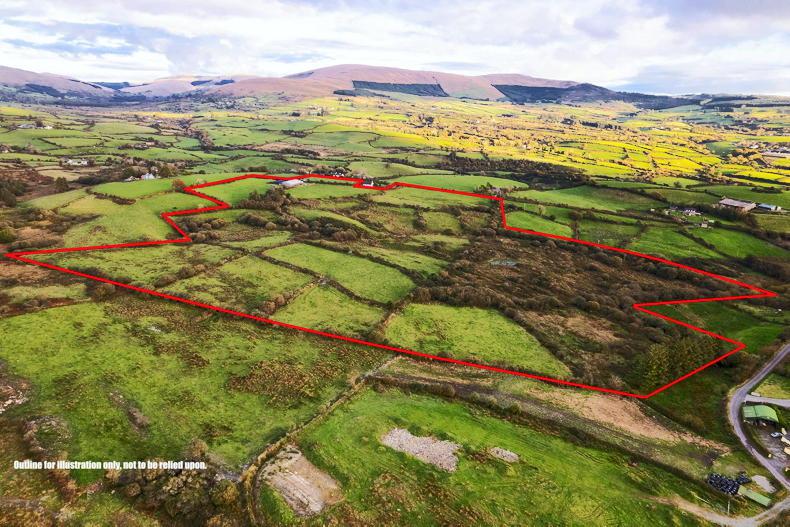
A 200ac farm in Wexford last week made €4.66m. That’s over €23,000/ac. There was a house and sheds involved, but the stamp duty would be close to half of their value.
The best of luck to the farmer who made the purchase, and to all the farmers paying up to and over €500/ac for land to lease. For as long as 10 years, in some cases.
Everybody realises that it’s tightening stocking rate rules driving this market.
More land
Banding, combined with a possible cut to the derogation’s maximum organic nitrogen levels from 250kg to 220kg per hectare, means farmers are scrambling for more land to avoid culling cows. They feel they have no option, and in parts of the country, that may be true. But anywhere with a mixed farming profile offers other solutions.
Slurry exports are as effective at reducing the organic nitrogen loading as land rental or purchase. Perhaps farmers should be directing their TAMS-supported LESS tankers off their farms and up the road to a neighbouring lightly stocked drystock or tillage farm. That would be a win-win for both sides, wouldn’t it?
The rate of change has left everybody gasping for air. Specialisation has taken root on most farms, the synergies of mixed farming and the meitheal have all but been lost.
At this time of year, with exhaustion from calving/lambing setting in for livestock farmers and tillage tractors testing their working lights on late evenings, perhaps farmers need leadership to guide them towards rational choices with these new (permanent) environmental restrictions.
The farm organisations lobbied for TAMS, the Government has put the funding in place, but alongside capital grants farmers need direction.
Land leased off the back of 2023 milk margins and grain prices might have to be carried through some difficult years between now and 2033.
Assisting farmers in not spending unnecessary money might be as valuable as supporting them in necessary investments.


SHARING OPTIONS