



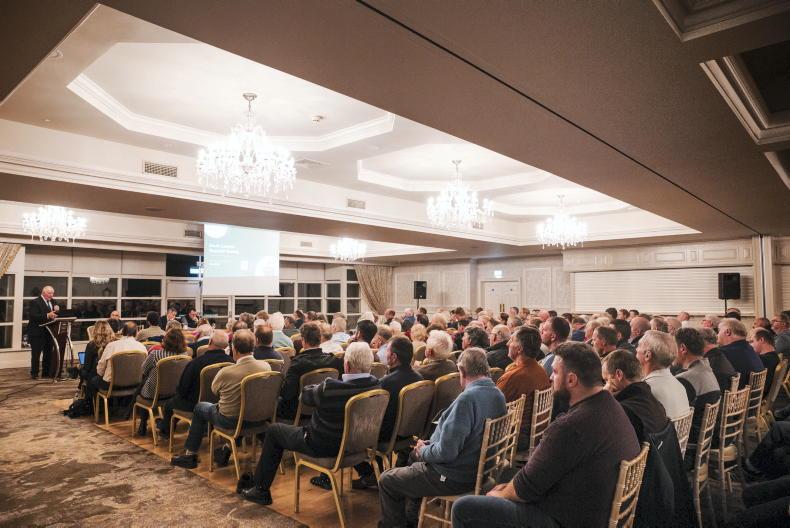
It was a tale of two meetings within 48 hours earlier this week. The fuel protest meeting in Moate was big and frantic, with an ever-widening set of proposals from the floor. There was huge energy in the room, and agreement on a couple of red line issues, the abolition of the carbon tax and an outright cap on fuel prices among them.
Outside of that, there were so many proposals from the floor that people would be forgiven for leaving unsure exactly what platform of issues was agreed. What was in no doubt was that if the demands of the leadership are not met, this disparate group is prepared to repeat its April actions.
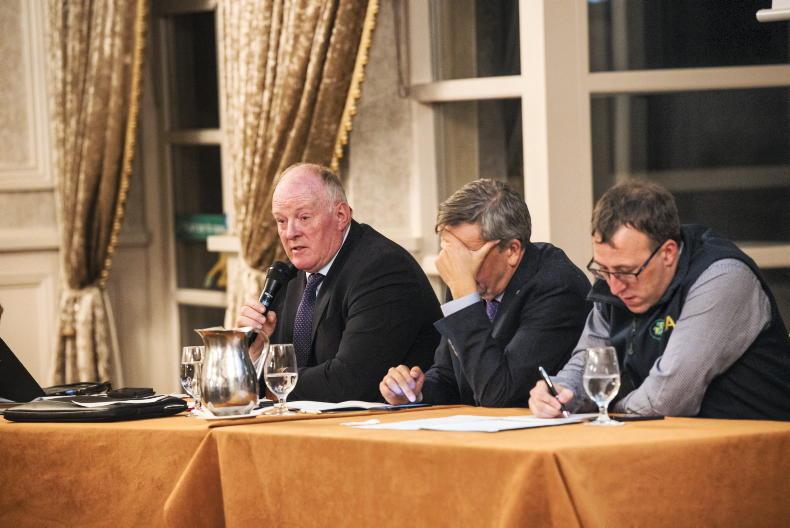
In contrast, the final IFA CAP meeting in Athy was a pretty serious affair. Shane Whelan opened the meeting with a necessary but complex explainer of the full CAP proposal package. Liam MacHale then detailed the equally complicated political process. Francie Gorman then gave a speech which initially was a catch up on issues going right back to the nitrates derogation, which was a year ago now.
Was that recap, praising the Minister for Agriculture and the wider Government for their role in the retention of the derogation, a bit of bridge-building in Heydon’s home county?
The Larry Murrin/Bord Bia issues remain unresolved. They were referred to, but mainly in the context of the success of the IFA/Irish Farmers Journal investigation into production standards in Brazilian beef leading to what has now been confirmed as a two-year ban from the EU.
Notwithstanding that ongoing difference of opinion, the necessity for everyone who cares about family farming to, as Luke Ming Flanagan put it at the INHFA AGM last week, “put the green geansaí on”, was clear to all in Athy. And everyone can agree that redressing the proposed budget cut is the clear priority issue.
But while the IFA meeting had a much more defined goal than the fuel protest meeting, the plan of action to achieve that goal was less clear. Sustained blockades of ports like we saw in April are not part of the IFA playbook. Neither can farmers withdraw their services or stage a work-to-rule like over a hundred thousand civil servants are doing. They are looking for wage increases. Farmers are fighting to avoid a 22% cut in support payments that currently equate to income for most farmers, caught in a squeeze between first world production costs and global food commodity prices.
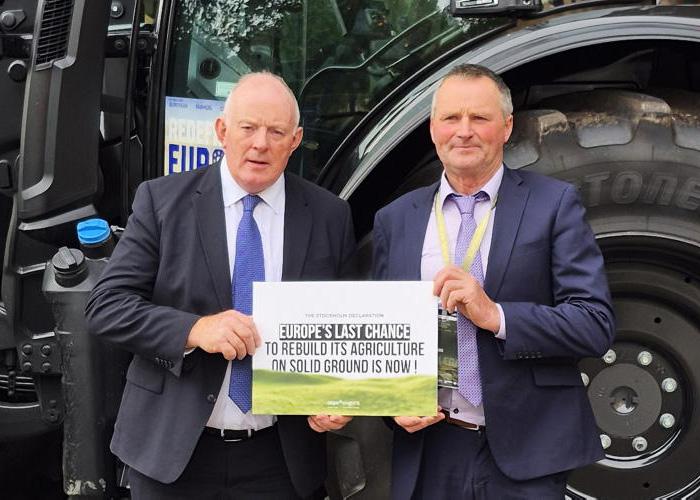
Every farmer in Europe is united on the need for Ursula von der Leyen to honour her commitment from 2024, when protests forced her to engage with farmers. Unfortunately, some form of mass direct action is almost inevitable.
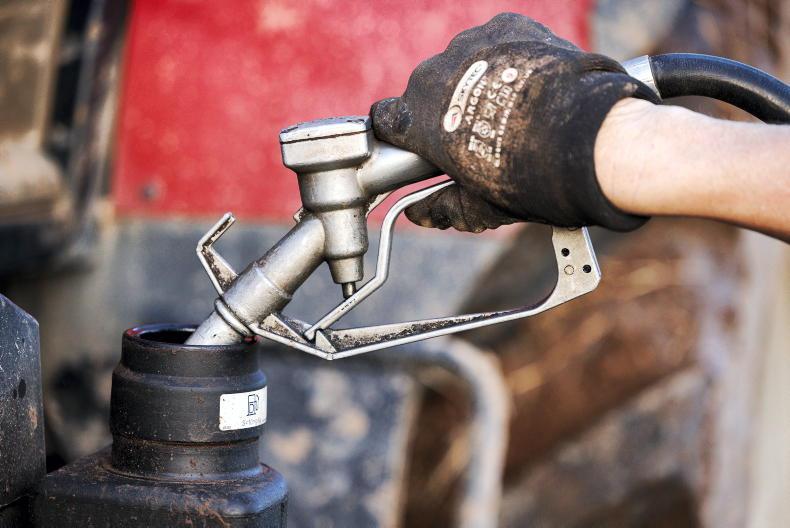
If the CAP budget stays as it is, the price of agri-diesel won’t matter very much in a couple of years.



SHARING OPTIONS