



There was an interesting exchange between Amy Forde and Pat O’Toole on the Inside the Farmers Journal podcast last week. Amy had spoken of the fine spring day that last Wednesday (6 May) was, but Pat pointed out that we are into the summer season once May begins.
Many Irish people feel the months are out of sync with the weather. Summer should really start in June, and coincide with the school holidays. Autumn should begin in September, leaving winter to begin in December and include February. The debate over whether the seasons are appropriately positioned or not is nothing new in Ireland. While the official start of summer varies around the northern hemisphere, the Celts were celebrating Bealtaine, Mayday, thousands of years ago. There are also festivals for each of the other four seasons, and all are closely associated with farming. Before St Brigid’s Day, 1 February was celebrated as Imbolc, and marked the start of the lambing season.
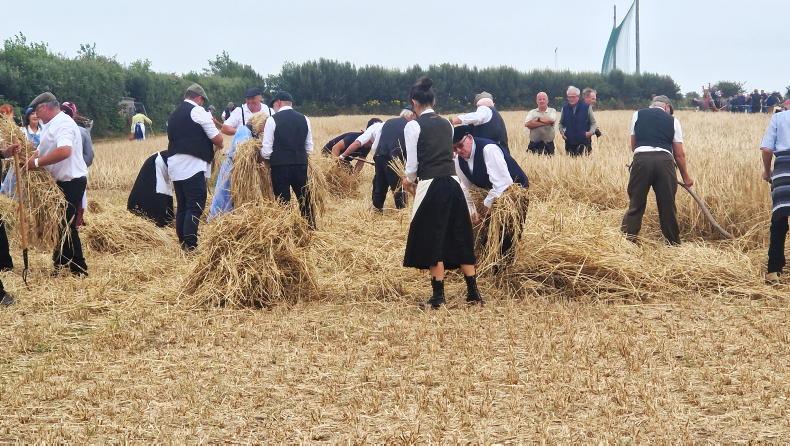
Autumn was welcomed with the Feast of Lughnasa, which celebrates the harvest season. Indeed, in the days before combines, the threshing season ran right up to the end of October. Then on 1 November, Samhain heralded the start of winter, and was linked to the housing of animals. As Celtic festivals involved fire, they started the evening before, and so began Hallowe’en, now a global event.
There are debates as to whether these events were fixed to a single date, or moved with the lunar cycle. It’s believed the Celts had 13 “months”, one for each new moon. The question then would be which season should have the extra month. That debate could keep a pub going for a year, it would be more hotly contested than the grape/fork/sprong farrago, or indeed the debate around the definition of an active farmer.
It would mean that the seasonal festivals would float around our modern calendar, depending on the lunar cycle of the year. This occurs to this day for Easter Sunday, which is the first Sunday following the first full moon following the vernal (spring) equinox, a mix of the lunar and solar cycles.
It’s also possible that the festivals were evenly spaced around the solar cycle. Midsummer was celebrated as Grianstad an Samhraidh (literally when the sun stops, a reference to how the sun’s journey across the sky stopped lengthening). The winter solstice, An Grianstad, is an even more important event, associated with the phenomenon of Newgrange, an ancient wonder of design. That would suggest summer begins on 7 May, and ends on 5 August. Winter would begin on 6 November next, and end on 4 February 2027.
That would align the seasons more closely with the spring and summer equinoxes, and would mean summertime would begin at spring’s halfway, which makes sense. It would also mean that Amy Forde would have been correct when she described last Wednesday, 6 May, as “a fine spring day”.


SHARING OPTIONS