



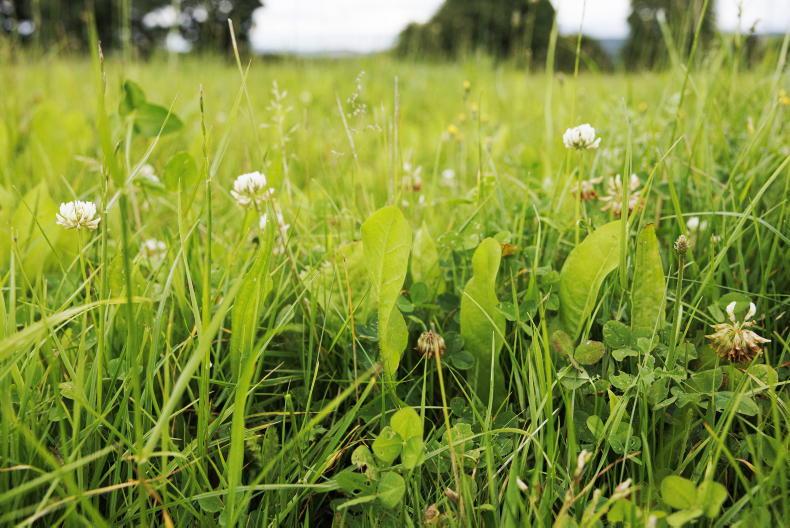
The new measures available under the latest phase of Farming with Nature should make the agri-environment scheme more appealing to a wider cohort of farmers.
In last year’s scheme, funding was only available for planting trees and hedgerows, fencing off waterways, and managing arable land over the winter.
More measures for arable farmers are included in this year’s tranche, but the biggest change is the addition of herbal leys to the list of scheme measures.
There are two options for herbal leys, which are also known as multi species swards.
The standard measure has a payment rate of £467/ha and the enhanced option, which requires a more diverse seed mix, pays £521/ha.
The measures could be seen by some farmers as a grant for a fancy reseed.
What’s the worst that could happen?
Even if your chicory and plantain have poor persistency and die out after a year or two, you should still be left with a grass clover sward.
However, a massive obstacle with the herbal ley measures is the tight timeframe to get seed in the ground under current scheme rules.
DAERA are not notifying successful applicants until September and the sward must be established by the end of February.
This directly contradicts the department’s own scheme guidance which states the best time to establish herbal leys is in August/early September or April/May.
Processed
Presumably DAERA want scheme measures completed early so that they can get claims processed and payments issued by their target in June.
Whilst timely payments are important, scheme requirements under Farming with Nature must fit with the laws of nature.
DAERA already had a 35% drop out rate in the first year of the scheme as wet weather last winter meant many farmers could not get measures carried out before the spring.
Much more flexibility will be needed with completion dates if DAERA actually want scheme measures completed on farms, especially with the new herbal ley options.
Desktop farming will not benefit farmers or nature.


SHARING OPTIONS