



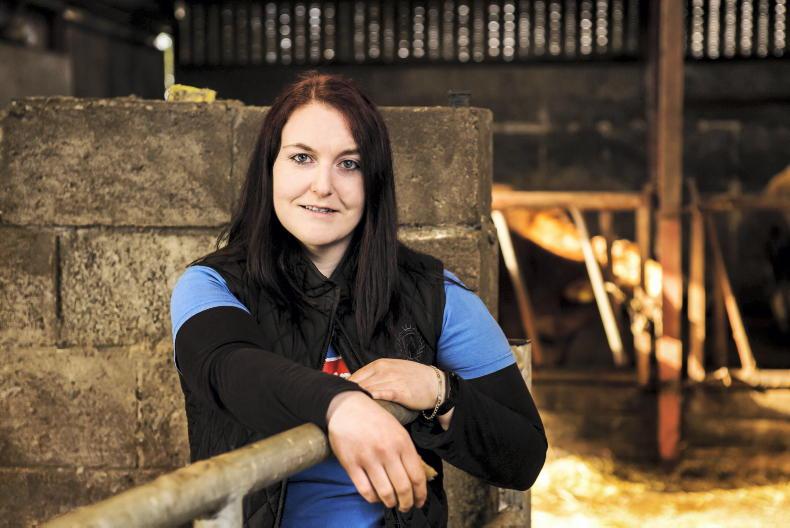
When my alarm clock rings in the morning, I still can’t believe that I am waking up to work on our own farm. After five years away from home working, studying and travelling, I have come home to work with my father and convert our farm from beef to dairy.
In 2012, during my fourth and final year of Animal and Crop Production in UCD, I applied for Quota through the New Entrant to Dairying Scheme. My application did not even make it through the initial stages as I did not have my degree completed by the deadline date of the scheme. Every cloud has a silver lining. My 2013 application was even more comprehensive and determined. The intervening period also allowed me to travel to New Zealand for eight months, gaining much needed practical experience. In addition, I completed a second calving and mating season within a year on a 180 cow dairy farm in Borris-in-Ossory, Co. Laois.
Thankfully, in September of this year, we received word that I had been allocated 200,000 litres of milk quota. Prior to taking up my position in Borris-in-Ossory, I had agreed with my employers that if I received quota I would finish within the year to assist in the farm conversion. Consequently, I handed over my responsibilities in October and have been working on our own farm for the past four weeks.
Our plan is to calve forty heifers in February 2014 and purchase another 20 calved heifers before the quota year ends. Therefore milk 60 heifers in year one. Not a simple task, but for the business plan to be successful, we need as much milk in the tank as soon as possible.
Over the past month, we have offloaded over 70 beef stock to make way for the black and whites. These included cull cows, in-calf cows, in-calf heifers, store heifers, weanling heifers and bulls. Most were sold through the marts with the remainder farm to farm.
A fortnight ago, we purchased our first batch of 20 heifers from a local farmer at €1,300 each. They are, on average, 60/40 Holstein/Friesian and are vaccinated for Lepto, BVD, Salmonella and IBR. The group median calving date is February 15 and the average EBI is €180, with a fertility sub-index of €106 and a milk sub-index of €42 at +73kgs. They will calve down at two years of age to Friesian AI sires WLY (17) and XRB (3).
Our second batch of 20 are due to arrive in mid-December from another local farmer with whom I worked during my professional work experience placement. These heifers are very similar in description to the abovementioned, which will hopefully provide us with a uniform and solid foundation for our herd. Hopefully we can maximise their full potential, but only time will tell.
At a farm walk during the summer, I heard a new entrant say that he feels as if he has an L-plate on his back at all times. With only limited experience of the industry, I too feel similarly. At the beginning of the year, I joined the West Offaly Dairy Discussion Group. I see the meetings as a forum to find out the best advice available from long established dairy men.
The next couple of months, in preparation for calving, will undoubtedly be busy and stressful as we upgrade grazing infrastructure and construct milking facilities. However I am looking forward to the challenge and anticipate the future with optimism.



SHARING OPTIONS