



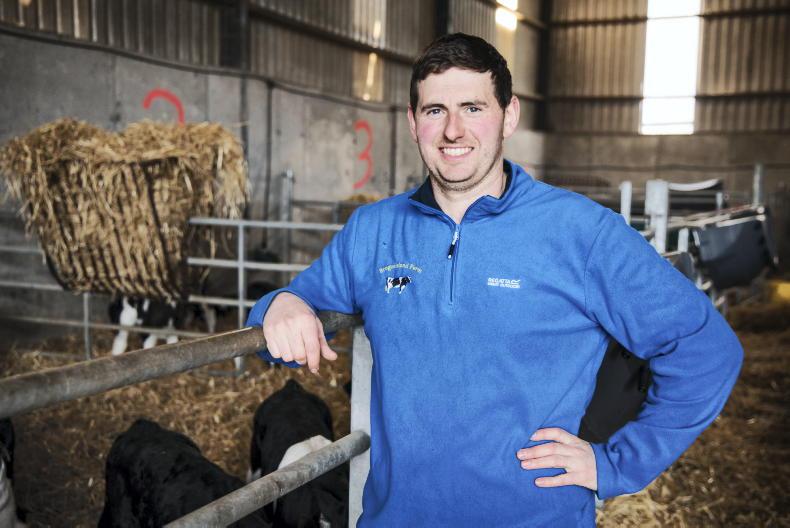
Calving has started a little earlier than planned here in Abbeyleix, with our first cow calving two weeks ahead of her due date last week. Unfortunately, she caught us off guard and the calf didn’t make it. It’s never an easy start to the season, and it’s a reminder that no matter how well prepared you think you are, farming always has a way of keeping you grounded.
That said, it has certainly sharpened the focus and prompted a final push on preparations. All calving pens are now fully set up, along with the majority of the calf pens, so we’re in a much better place heading into the main calving period. We’re expecting a few more cows to calve next week, and while things are still relatively quiet, it’s reassuring to know the infrastructure is ready before pressure really comes on.
Our student, Eoin, also started with us last week, which has been a big help already. Having an extra pair of hands around the yard at this stage makes a huge difference, particularly when it comes to getting everything organised ahead of calving.
More importantly, it gives him a chance to get familiar with the farm, the layout, and our systems before things get hectic. That familiarity is invaluable once calving ramps up, as it allows everyone to work more efficiently and confidently under pressure.
We took advantage of the good conditions last week to get slurry out on roughly 80% of the milking platform. It went out at a rate of 2,000 gallons per acre, and early slurry like that is worth its weight in gold. It gives grass a real kick-start for the year ahead and sets us up nicely for early grazing when the time comes.
We managed to empty two tanks completely, with the remaining tanks now down to about halfway, which gives us plenty of breathing space from a storage point of view. If we get another dry spell, I’d like to target the silage ground with slurry. If conditions don’t allow, I’ll probably go with artificial fertiliser on the silage area and look to apply slurry again on the milking platform after grazing.
Cull cows
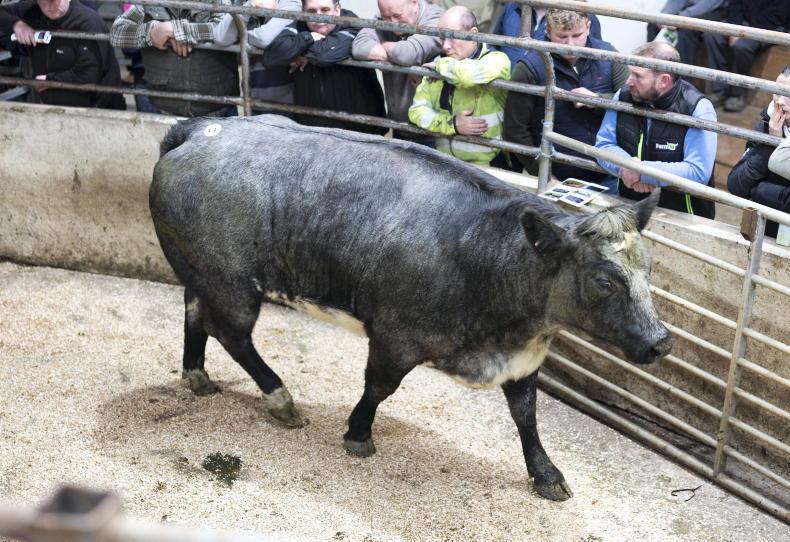
On the cattle side, the first three of our cull cows went to the factory last week and came back at a combined value of €7,000. We still have another 13 cull cows to go, and hopefully they’ll come into similar money. With the current milk price and our ongoing TB situation, that income will be a welcome boost. We had plenty of silage and shed space available, so the plan all along was to feed them on and add condition, and so far that decision looks to be paying off.
Away from the farm, last week I attended the Positive Farmers Conference. There was a strong emphasis on refocusing on costs and budgeting in advance of what looks like a tougher year or two ahead from a milk price perspective. One of the clear messages from the day was that grazed grass and low costs remain the main drivers of profit on Irish dairy farms.
In recent years of strong milk prices, many of us, myself included, have probably taken our eye off the ball somewhat when it comes to cost control, as higher returns masked inefficiencies.
However, that cushion is now gone, and the outlook for the year ahead is far from optimistic on milk price. The challenge for all of us will be to refocus quickly, strip systems back to the basics, and ensure every decision stacks up financially if we’re to protect margins and maintain resilience in the years ahead.



SHARING OPTIONS