



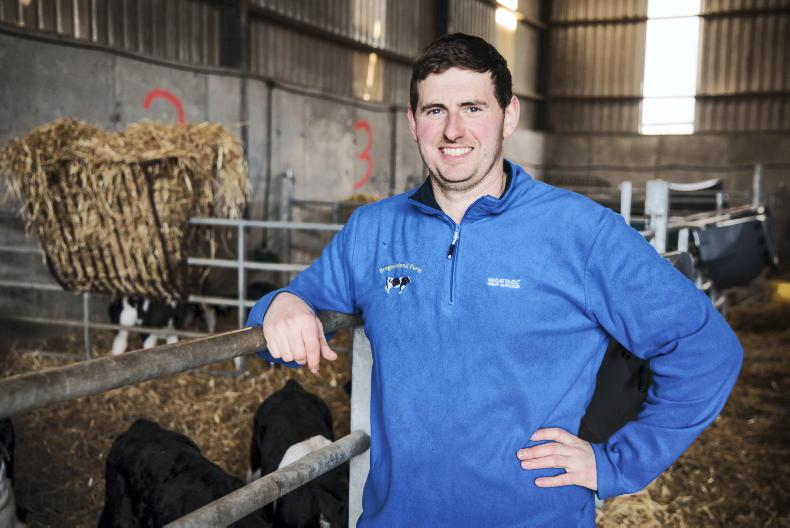
After what felt like a sluggish few weeks, I’m glad to report that grass growth has bounced back in a big way here in Abbeyleix.
We had a growth rate of 90kg DM/ha last week, which had taken me a bit by surprise if I’m honest. I knew things were picking up, but I wasn’t expecting such a big jump in such a short time. It was back to 60kg DM/ha this week.
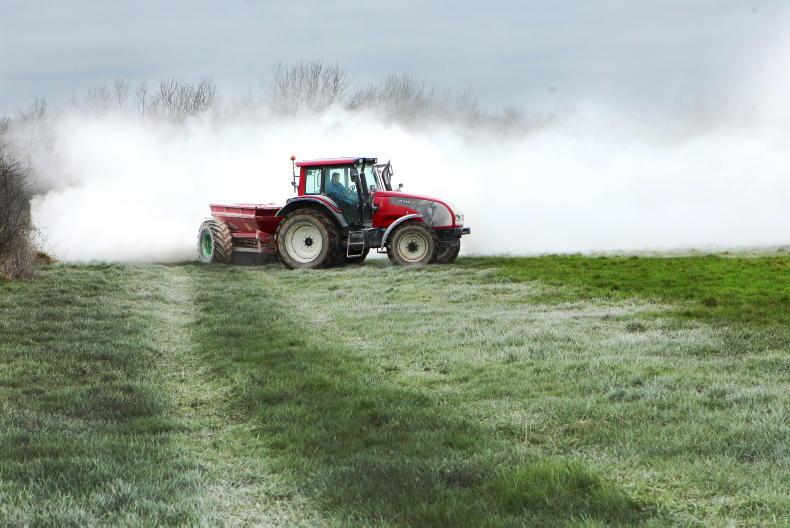
I kept the fertiliser going out weekly, sticking with 20 units/acre of 21.0.10 on the grazed paddocks, and I’d say that’s played a big part in the turnaround.
We’ve pulled back on the silage – we had been feeding four bales a day, but that stopped last week.
That said, I’m still holding onto the option of putting out a bale or two on the last grazing in a paddock if it helps stretch the rotation and build up the average farm cover.
The goal is to hit around 1,100kg DM/ha by the end of September. We are sitting at 775kg DM/ha, so there’s still a bit of ground to make up, but hopefully growth will stay around 60-70kg for a few weeks, and we should get there.
Milk yield is holding steady at around 20l, which I’ll take, but I’d like to see it lift a few litres now that the cows are back on a full grass diet. The solids have been excellent – butterfat has gone above 5% and protein is over 4%, which is good for the time of year. Somatic cell count (SCC) has come back to 120,000 over the last few collections, which is a relief. That said, we’re still getting about one case of mastitis a week.
Most of those affected are cows already marked for culling, so I’m thinking I might start drying a few of them off early and get them fattening. No point keeping them milking if they’re only causing hassle and dragging down herd performance.
The in-calf heifers are doing well on their block. Covers have gotten very heavy – over 3,000kg DM/ha – so I’ve had to tighten them up a bit and manage the grazing more closely, especially with the recent rain.
I’m moving them two to three times a week now, depending on conditions. What they grazed first is really bouncing back – it’s already hitting 1,000kg DM/ha, which should time nicely with when they loop back around in about two weeks.
Silage
On the silage front, both of the remaining blocks are nearly ready to cut again. The reseeded field is absolutely flying and it’s great to see it come back clean – not a weed in sight.
That said, there are a few bare patches where redshank got the better of it and shaded out the new grass. I’ll shake a few seeds into those spots, and I’d be hopeful they’ll fill out with a bit of moisture and warmth.
If the weather plays ball, I’ll be looking to cut again either next week or the week after. Ideally, I’d like to get another cut off one of those blocks by zero-grazing it for the cows and then use the other for heifer grazing later into the year – possibly into November – though that’ll be very weather-dependent.
We had another cow last week, previously scanned in-calf with twins, showing a strong heat on the collars again. That’s always a risk with twin pregnancies – they don’t always hold. Thankfully, there are only two other cows in the herd scanned with twins, so we’re hoping they stay on track.
These late embryonic deaths are very frustrating, but we are still at 10% empty, so overall it’s not too bad. I will scan the heifers again when they come back to the home yard, but I haven’t seen any activity with them when herding, so fingers crossed.


SHARING OPTIONS