




It's shaping up to be another one of those years where we sit waiting on summer to start, only to wake up one morning and realise it's the end of August and we've spent most of the season wondering where it went.
The weather has been all over the place. We went from a cold spring that was dry-ish, I suppose, into a wet spell where ground conditions deteriorated considerably.
Then we got a very good week that really helped catch up on a lot of work that had been delayed. Unfortunately, that didn't last long and now we're back into torrential rain that looks set to continue for the foreseeable future.
The rain that followed the dry, warm week has just sent grass growth mental. While that's generally a good problem to have, it does bring its own challenges. I find myself strip grazing covers that are definitely heavier than I'd like.
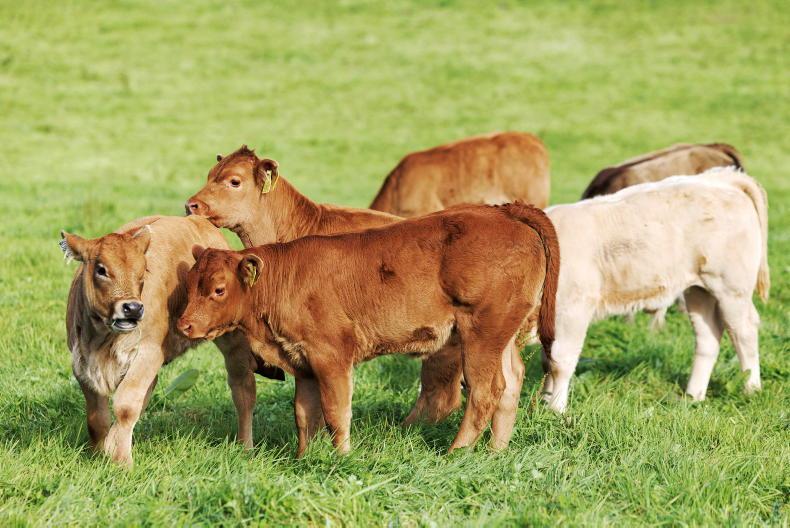
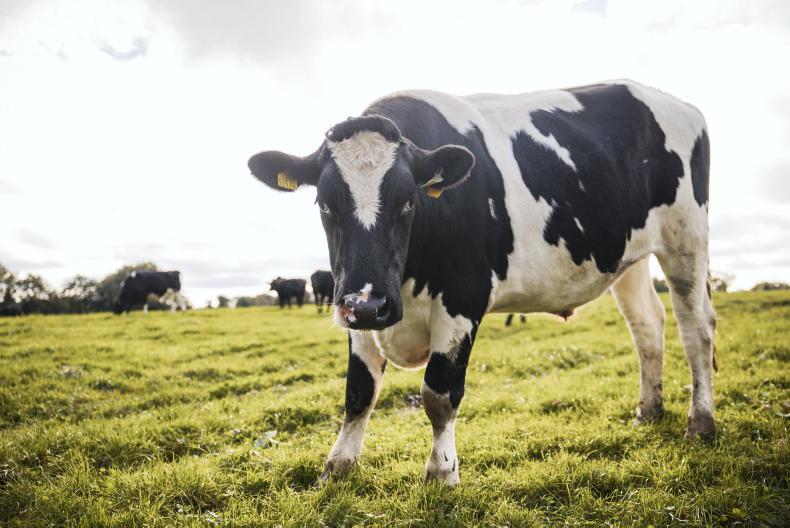
In dry weather, it wouldn't be a huge issue, but with every wet day that comes, it's getting trickier. Cattle are becoming unsettled as well, which only makes the problem worse. Ground conditions are cutting up more quickly and managing grass utilisation becomes that bit more difficult.
Frustration
Many farmers around the area are only getting ready to take their first cut of silage now. The growth spurt has certainly bulked up crops, but it's starting to affect quality.
The bigger concern is that the weather forecast isn't showing any real opportunities for the next two weeks at the minute. It's frustrating when crops are ready to go, but the weather simply won't co-operate.
Thankfully, my own first cut was taken about a month ago, so there's no immediate pressure on that front. It'll be a while yet before the second cut is ready, so hopefully things will be looking a little more promising by then. At least that's what I'm telling myself.
One job I'd really like to get at is spraying some of the silage fields for docks. One field in particular is very bad and could certainly do with attention.
I'm planning to use a clover-safe spray, mainly as an experiment, as the field is still carrying a strong clover content. I'm fairly sceptical about how effective the clover-safe product will be, but I think it's worth trying before taking more drastic action.
If it doesn't work well enough, I'll have to come back with something stronger and revert the field to a conventional grass sward. That would be disappointing, but that's farming.
Still, considering the field is now in its fifth season as a clover sward, I suppose I'm not doing too badly.


SHARING OPTIONS