We finished up zero grazing here in Abbeyleix last weekend, with the block of ground fully cleaned off and, thankfully, no damage done.
Our average farm cover has now dropped back to 806kg DM/ha, so I will have to keep a close eye on it over the coming weeks. Last year, we closed the farm on 1 December with a cover of 890kg DM/ha, and ideally I would like to achieve something similar this year. However, I may only get another two or three paddocks grazed before we call a halt to grazing. Once these are grazed, the farm cover could fall back towards 600kg DM/ha, which is lower than I would like going into the winter.
I currently have two heavier covers of 2,000kg and 1,700kg DM/ha, before it drops back to around 1,450kg DM/ha. I will reassess the situation after grazing the two heavier covers, taking account of growth rates and ground conditions at that stage.
Even if the weather remains favourable, I am prepared to house the cows. Having enough grass available for the spring is far more important than getting a few extra days grazing in November.
The cows are still on 24-hour allocations and receiving 2kg of nuts in the parlour. My plan is to continue grazing without introducing silage, graze the remaining suitable paddocks and then house the cows. Bringing in silage now to stretch the grass might only buy us another two to four days outside, and there is a risk that graze-outs would suffer as a result. I do not see much benefit in that, particularly when the priority is to protect the grass for next spring.
Milk production was averaging around 13l per cow per day last week, with milk solids holding up very well at 5.90% butterfat and 4.60% protein. Bulk SCC is still below 150,000, which is encouraging. We dried off three chronic cows recently, and it is fairly clear that they were contributing a considerable amount to the higher cell count we had been dealing with. I also made the decision not to put these cows back in-calf, so at least they will not be bringing the same problems into next season.
Both the in-calf heifers and the bulls should have enough grass ahead of them to keep them outside until close to Christmas, provided ground conditions allow. It is a great help to have grass available for young stock at this time of year, as it reduces the pressure on winter accommodation and keeps them out doing what they should be doing.
Neither of these blocks will be grazed again in the spring, so the objective is to get them cleaned out properly before the winter sets in. A good clean-out now should leave the ground in a nice position for first-cut silage next May, while also making full use of the grass that has grown. As always at this time of year, it is a balancing act between getting the grazing done and avoiding damage to the land, but so far both groups are doing exactly what we want.
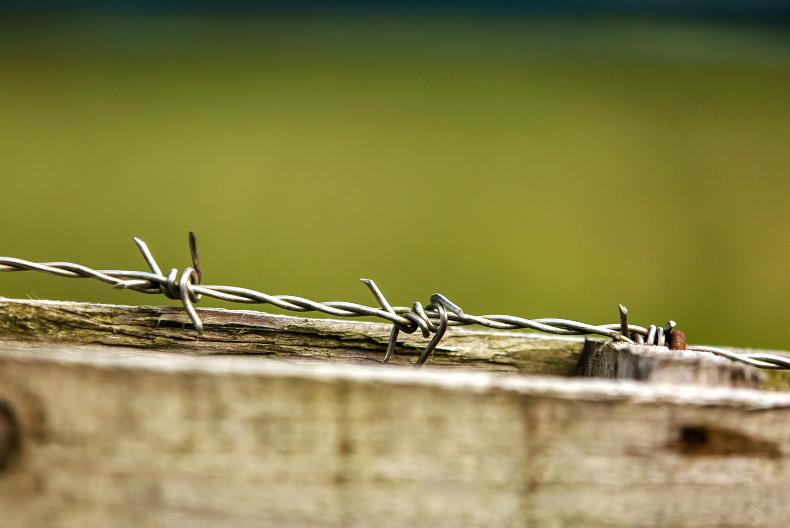
We are getting two paddocks around the house sheep-fenced this week. This should make life a lot easier next spring when the ewes and lambs are going out to grass. We have relied on sheep reels for the past few years, but they can be slow and awkward enough to put up, particularly when there are plenty of other jobs to be done.
We also have an extra pair of hands on the farm now, with my brother-in-law Joe working with us full-time since returning home from Australia. He has been tipping away at the hedge cutting whenever ground conditions are dry, fitting it in between milkings and the other jobs. We are not topping the hedges, just cutting back the growth along the wire to keep them tidy and under control. We will leave the roadways until the cows are dried off, as I would rather avoid having hedge clippings and debris on the lanes while cows are still walking over them. There is little point creating a lameness problem at this stage of the year when we can wait a few weeks.