



Grass is still flying here in Abbeyleix, which is a great relief after the summer we’ve had and should help to claw back some of the extra expense incurred during the drought.
My last two farm covers have been over 1,200kg DM/ha. Growth was back up around 90kg DM/ha two weeks ago, but dropped to 57kg DM/ha last week. While that is a fairly big drop, there is still plenty of grass on the farm and demand is currently only 48kg DM/ha, so we are in a much more comfortable position than we were a few weeks ago.
Meal is now back to 4kg/cow in the parlour. Pre-grazing covers are running at 2,300-2,500kg DM/ha and cattle are actually doing a very good job of cleaning them out. We are giving them 24-hour breaks and they are skinning the paddocks, which is exactly what we want to see at this time of year.
There are only two paddocks left with these higher covers and after that we should be back grazing covers in the region of 2,000-2,100kg DM/ha.
I didn’t cut the silage block last week when we had the good weather. The nitrogen level in the grass was still too high, and I wasn’t convinced that cutting it at that point was the right thing to do.
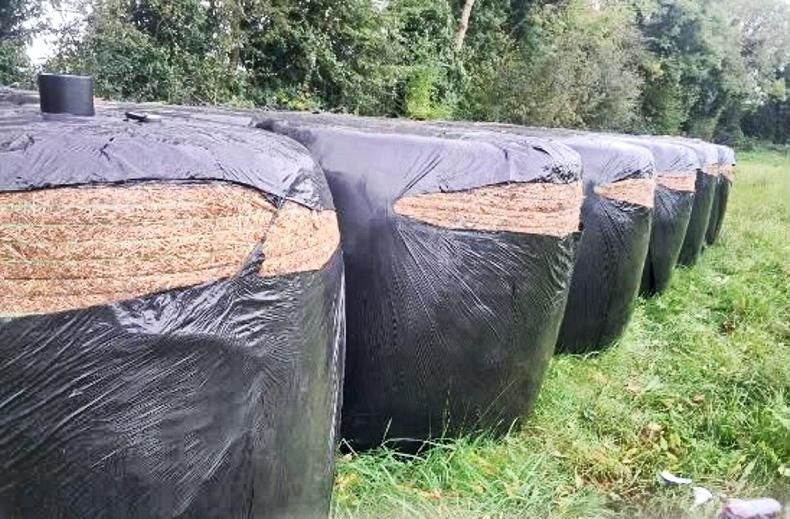
The forecast doesn’t look like giving us much of a silage window over the next few weeks either, so I am now considering zero grazing the block instead.
If I go down that route, I would reduce the meal back to around 2kg in the parlour and try to utilise as much of that grass as possible directly through the cows.
At this stage of the year, I think there is a lot to be said for getting good-quality grass into the cows rather than putting it into a bale, particularly when preservation could be an issue.
If we can zero graze this grass and reduce the meal fed in the parlour, this should make a small dent in the extra costs that built up over the summer.
The cows are milking well, averaging 19.5l over the last few collections. Fat is currently 5.20% and protein is 4.16%, so the solids are very good.
We had our monthly hoof trimming last week as well. The majority of the problems this time were scalds, which is probably a knock-on effect from the change to wetter weather. Thankfully, there was nothing too major and it was more a case of catching problems early.
We also had a Healthy Hooves walk on the farm of my discussion group member Michael last week. The Healthy Hooves project is a good initiative, as it puts a strong focus on prevention and on looking at the different factors on the farm that can have an impact on hoof health and lameness.
It was a very useful day and there was a lot of discussion around what we can do to prevent problems developing in the first place. Things like cow comfort, roadways, cubicle beds, collecting yards, parlour exits, hygiene and nutrition, all have a part to play when it comes to hoof health.
No two farms are exactly the same, so there is always something you can take home and think about, even if you feel you have most things covered.
Lameness is one of those areas where small improvements can make a big difference over time. The Healthy Hooves project encourages us to look at the whole system rather than simply treating a cow when she becomes lame. For me, the biggest takeaway was that prevention has to be the priority, as once a cow is badly lame it can be a lot harder to get her fully right again.
We have also continued to invest in cow comfort around the parlour ourselves. A few months ago, we put down more rubber matting. Along with the AstroTurf we already have in place, the aim is to make the cows as comfortable as possible.


SHARING OPTIONS