A few days in a row with sunshine and blue skies should help drive grass on after what can be best described as a soft week on the south coast. My ambitions to have a few days between the end of calving and start of breeding didn’t materialise again this year, with a pair of stragglers holding out.
I’d say it’s hardly a handful of times that I’ve achieved that in my farming career and although it wasn’t achieved this year, it will remain a target. A move to increased AI makes it more of a possibility.
Even if those late-calvers have bull calves, it won’t do much to improve my bull-to-heifer calf ratio much beyond its current 30:70 split. Last year it was around 60% heifers and the year before it was closer to 50:50 – as a result it meant raising the bar on the expectations of the older cows in the herd each year at breeding time.
As fertility is the main driver in the herd, more heifers and cows will be put to the bull than are required, but the parameters have got tougher than before.
A handful of cows won’t be bulled at all. The usual reasons for culling apply with temperament near the top of the list. Two cows who were a bit more edgy at calving time are among those on the way out. They’re two excellent performers and would have been considered quiet 15 or 20 years ago, but having to tiptoe around them at calving while there are no issues with the rest of the herd is reason enough for me.
There’s one new addition to the reasons for culling list this year. Any cow that required a vet call won’t be bred. A pair of milk fever cases and one that required vet assistance at calving are included among those that won’t be bulled. Similar to the two who I had to be extra cautious around calving time; they came to our attention when most of the herd didn’t.
They’re cows that are in good order and Dad and myself have debated enough why each is in that group – just in case there’s any temptation to breed them – because similar has happened before, they’re gone to the out farm and are at the furthest and most awkward fields from the yard. Another few cows will get one AI straw this year and are likely to join that group in a few weeks.
Necessity is the mother of invention and a combination of poor weather and the potential of a TB test in summer meant all the non-pedigree 2025-born heifers were left in one group and sent to Ballinascarthy.
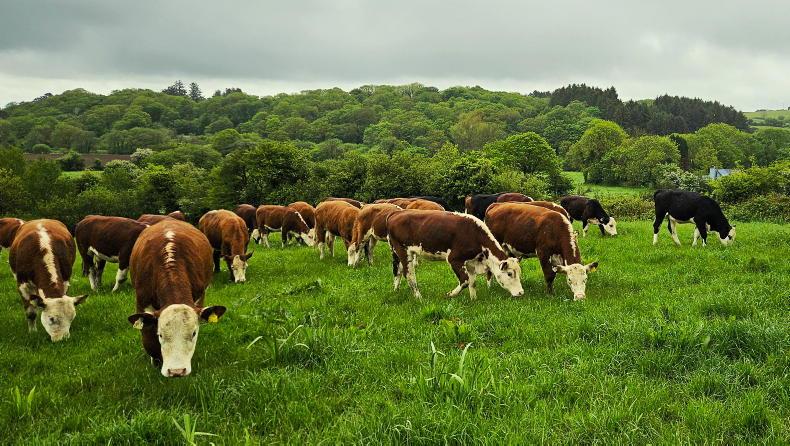
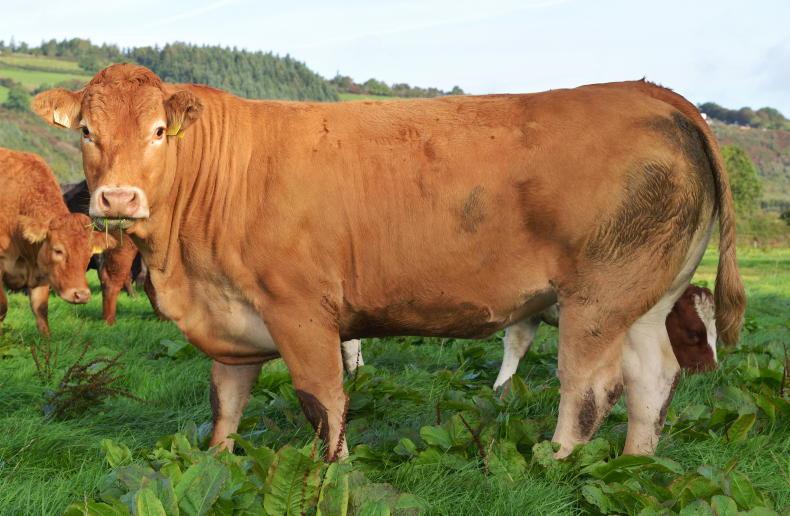
All the 2025-born heifers are being managed in one group this year on Tommy Moyles' farm.
Those selected for breeding were put on a synchronisation programme and were AI’d last Thursday. That’s their breeding finished for the year. We’ll know in three weeks how many held and they’ll be scanned in late June or July to see how many held and that will determine how long breeding will take place for the rest of the cows.
The pedigree heifers and first-calvers will be bred this week and will be covered as repeats. A fixed-time AI programme wasn’t on the cards for them, but as we haven’t got around to finishing all the building work in the yard where they are, this should reduce the amount of days they need to be rounded up.
Every year there’s an element of uncertainty at breeding time and the presence of bluetongue on these shores adds another unknown to the mix. Having a good bank of heifers coming through keeps pressure on the cows.
A few days in a row with sunshine and blue skies should help drive grass on after what can be best described as a soft week on the south coast. My ambitions to have a few days between the end of calving and start of breeding didn’t materialise again this year, with a pair of stragglers holding out.
I’d say it’s hardly a handful of times that I’ve achieved that in my farming career and although it wasn’t achieved this year, it will remain a target. A move to increased AI makes it more of a possibility.
Even if those late-calvers have bull calves, it won’t do much to improve my bull-to-heifer calf ratio much beyond its current 30:70 split. Last year it was around 60% heifers and the year before it was closer to 50:50 – as a result it meant raising the bar on the expectations of the older cows in the herd each year at breeding time.
As fertility is the main driver in the herd, more heifers and cows will be put to the bull than are required, but the parameters have got tougher than before.
A handful of cows won’t be bulled at all. The usual reasons for culling apply with temperament near the top of the list. Two cows who were a bit more edgy at calving time are among those on the way out. They’re two excellent performers and would have been considered quiet 15 or 20 years ago, but having to tiptoe around them at calving while there are no issues with the rest of the herd is reason enough for me.
There’s one new addition to the reasons for culling list this year. Any cow that required a vet call won’t be bred. A pair of milk fever cases and one that required vet assistance at calving are included among those that won’t be bulled. Similar to the two who I had to be extra cautious around calving time; they came to our attention when most of the herd didn’t.
They’re cows that are in good order and Dad and myself have debated enough why each is in that group – just in case there’s any temptation to breed them – because similar has happened before, they’re gone to the out farm and are at the furthest and most awkward fields from the yard. Another few cows will get one AI straw this year and are likely to join that group in a few weeks.
Necessity is the mother of invention and a combination of poor weather and the potential of a TB test in summer meant all the non-pedigree 2025-born heifers were left in one group and sent to Ballinascarthy.

All the 2025-born heifers are being managed in one group this year on Tommy Moyles' farm.
Those selected for breeding were put on a synchronisation programme and were AI’d last Thursday. That’s their breeding finished for the year. We’ll know in three weeks how many held and they’ll be scanned in late June or July to see how many held and that will determine how long breeding will take place for the rest of the cows.
The pedigree heifers and first-calvers will be bred this week and will be covered as repeats. A fixed-time AI programme wasn’t on the cards for them, but as we haven’t got around to finishing all the building work in the yard where they are, this should reduce the amount of days they need to be rounded up.
Every year there’s an element of uncertainty at breeding time and the presence of bluetongue on these shores adds another unknown to the mix. Having a good bank of heifers coming through keeps pressure on the cows.
SHARING OPTIONS