



Speculation about the next CAP, challenging beef price and the eve of a World Cup in an authoritarian state. That’s where we were at this point in the year 2018 BC (before COVID-19) and while much has changed in the intervening years, some constants remain.
Although beef price is back over €1/kg on last year, it is €2/kg ahead of 2018. What beef prices are experiencing now is similar to what happened to milk in 2022 and 2023. A year of record-high prices was followed by the second highest prices recorded, but margins were washed away due to costs remaining high and a competitive global market.
Phelim O’Neill’s article in last week’s paper paints a stark picture of a 12% reduction of Irish beef in the UK in the first quarter of this year. Adapting to the new realities of Antipodean competition for beef in the UK market is something we’re going to have to get used to and maybe there’s a lesson to be learned from 2023 dairy markets.
With margins squeezed, it means controlling what I can control, and at present that is cows and grass.
Next week will see the completion of the first three weeks of breeding for the cows and attention will move to repeats after that. In the first round, the cows with best conformation got an Angus or a Hereford bull, with those a bit narrower at the shoulder getting a continental breed bull. Having a bigger than usual number of heifers on the ground for two years in a row and a herd of young cows, means I can afford to consider terminal traits more than before. The presence of more homozygous polled bulls made it more appealing too.
For the first week of breeding the cows I used all traditional beef breed straws, as it coincided with the synchronisation of the first-calvers. That will make the start of next March busier than usual, so the last thing I need when there are calves landing fast is having to intervene in a calving or lose time dealing with a big calf that might be slow to suck. I’ll try that for a year and see how it goes, and reassess that plan in 12 months’ time.
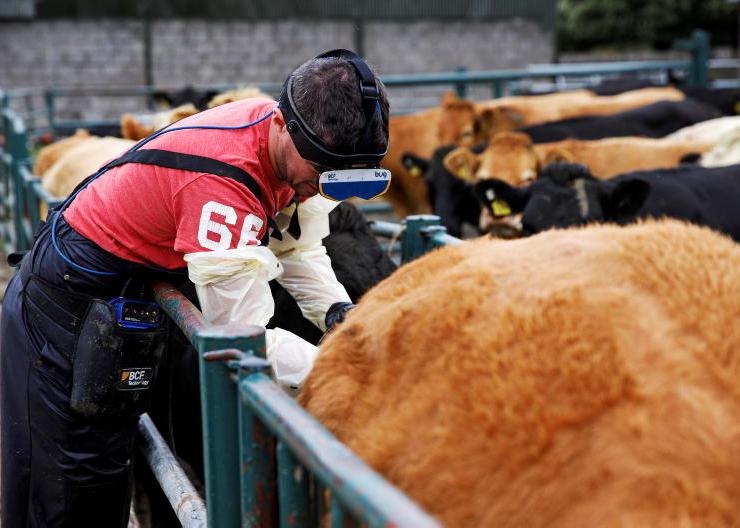
Some of the tweaks and plans here are thought out well in advance, but that was one that was decided in the time it takes for the AI man to walk from the crush back to the van. I’d asked him for a continental bull for one of two cows bulling that day, when it suddenly dawned on me that the young cows were bred a few days before, so I changed my mind quickly.
Continental bulls may feature in week four too, but after that I’ll probably revert to traditional breeds for the rest of breeding, as their shorter gestation will be useful at the tail end of calving. There’ll be more culling decisions made in the second round of breeding for the cows, as I should have early results on how the one-straw-and-done breeding policy for the heifers went.
They hit their three weeks at the end of this week. How quiet or otherwise the activity levels in their paddock is will determine whether some older cows get bulled if they repeat or not. This year’s approach to heifer breeding is a bit of a gamble, but it’s worth a shot.
The same can be said of baling up surplus grass. I rolled the dice on a few acres that had gone strong for grazing and mowed Thursday evening. It was the first real smash and grab silage of this year and was wrapped up ahead of the wind and rain that tore in from the south east on Friday afternoon.


SHARING OPTIONS