



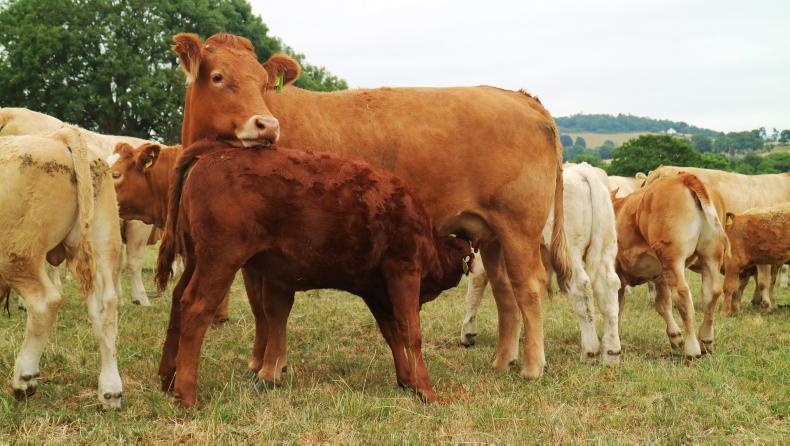
Drought conditions and a resultant collapse in grass growth rates is hitting at a critical time that can have devastating consequences for fertility in suckler herds.
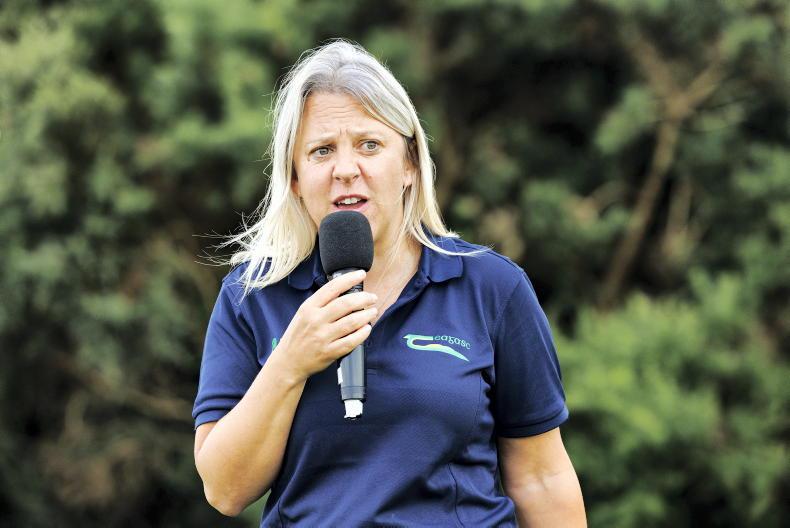
Martina Harrington, manager of the Teagasc Future Beef Programme says that traditionally such drought conditions arrived later in the summer where suckler cows were often restricted and calves were offered access to creep feed to underpin performance.
However, this year drought has hit earlier and she highlights that given many spring calving herds started breeding between mid-April and mid-May, potential feed shortages could be hitting at a critical time in the breeding season.
“This year is different – some cows have not yet been served while others are only in the early stages of pregnancy,” Martina says.
“Maintaining feed supply throughout the breeding season is therefore one of the most important steps that farmers can take to protect next year’s calf crop,” she says.
Martina warns that restricting cows during breeding could lead to more repeats, a drawn out calving spread and more empty cows identified at scanning.
Swift action
Farmers are being cautioned not to wait until paddocks or bare or worse still until cows begin to lose body condition to take action.
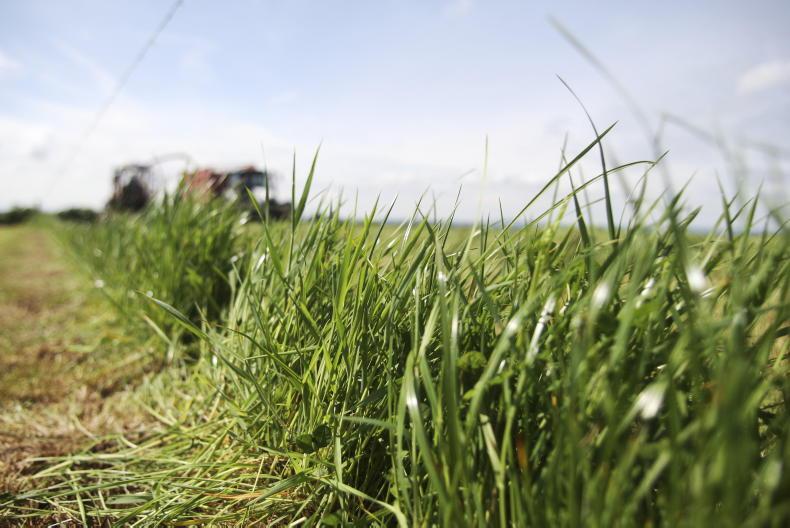
“Where grass growth has slowed introduce good-quality silage or hay early to reduce grass demand and extend the grazing rotation. Creep feeding calves can also reduce the nutritional demand on the cow while supporting calf performance,” Martina says.
The advice is to give priority to any think cows or first calvers. There is an additional nutritional stress on first-calving cows contending with demands or growth/maintenance and milk production. If required it may be beneficial to batch these cows for supplementing on their own to ensure intake is not compromised where competing with mature cows. Access to a plentiful supply of water is also vital.
Teagasc are also drawing attention to normal heat activity being curtailed during higher temperatures. “Very warm weather can suppress heat activity. Where AI or activity monitors are being used heats may be less obvious or missed,” says Martina.
“Observe cows during cooler morning and evening periods and check activity carefully.”
It is also important to monitor the performance of breeding bulls and to monitor breeding so that a high repeat rate can be identified quickly.
Farmer safety
Safety concerns are being raised where feeding bales or creep feed in fields to hungry cows with a high risk of farmers getting trampled or caught between animals and round feeders etc where dealing with big numbers in a group.
An option while utilisation is good is to offer feed along an electric fence.


SHARING OPTIONS