



Between January 2025 and January 2026, horticultural input costs rose 3.9% and, since 2020, they have risen on average by 76.2% across subsectors, according to Teagasc’s Horticulture Crop Input Prices 2026 report.
The report also found significant longer-term inflation since 2020, with fresh volatility in energy, packaging, fertiliser and transportation costs since March 2026.
Representing about 43.4% of total production costs, labour is the single largest input cost, an increase of 3.9% since 2020.
Fertiliser costs averaged a 10.1% increase from January 2025 to January 2026, with some specialty products (such as controlled release fertilisers used in container production) reported up by 27%.
Natural gas increased by 54% from January to early March 2026, significantly affecting protected vegetable and fruit growers who rely on gas for heat for growth early in the year.
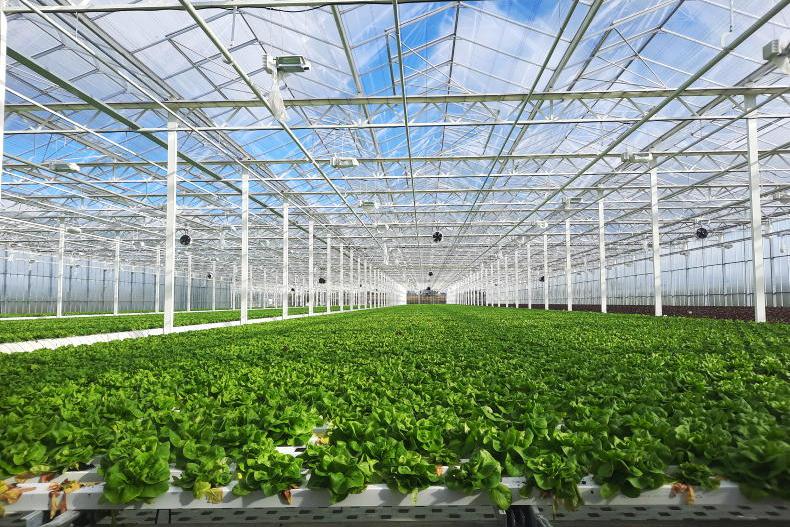
High natural gas costs through March, April and May are continuing to affect grower profitability in the high-wire crop sector.
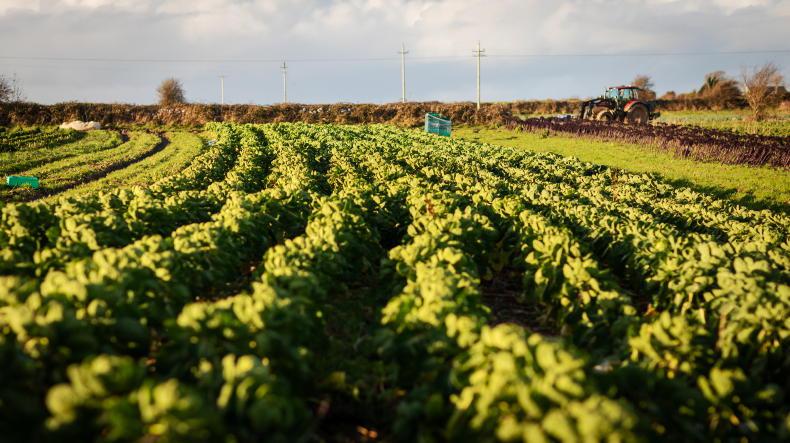
Heavy autumn and winter rainfall from October 2025 to February 2026 increased harvesting, washing and packaging costs for winter root and brassica crops and affected crop quality.
Variation
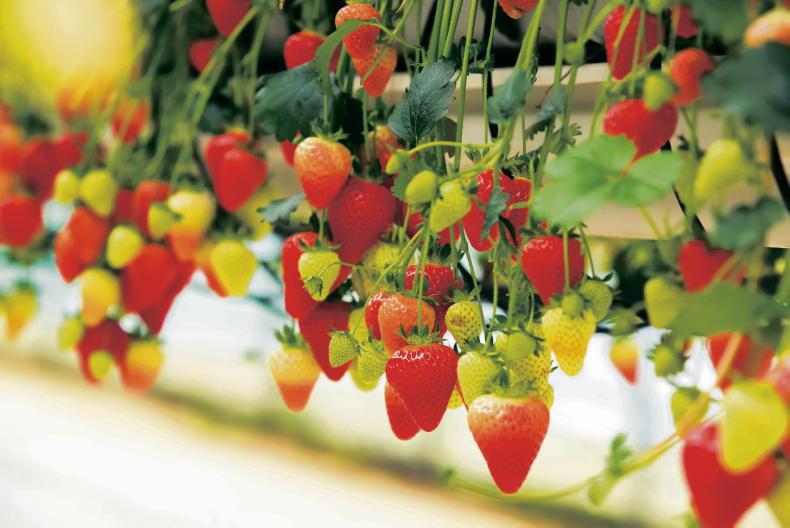
Input inflation in 2026 varies by subsector, with fruit up 7.5% compared with 2025, nursery stock up 7.5%, vegetables up 4.7%, protected salad crops up 4.5% and mushrooms up 1.8%.
Speaking on the release of the publication, acting head of Teagasc's horticulture development department Michael Gaffney said: “The report indicates continuing increases in the cost of producing horticultural products.
“In order to stabilise input costs, particularly around labour, investment in automation and labour-saving technologies is required where available.
“These investments will be significant and growers require prices that reflect the cost of production and the cost of investments required, as well as long-term collaborations to help de-risk these investments."
According to the report, the rapidly increasing input costs since March 2026 will need to be absorbed across the food supply chain to avoid further reductions in the Irish grower base.



SHARING OPTIONS