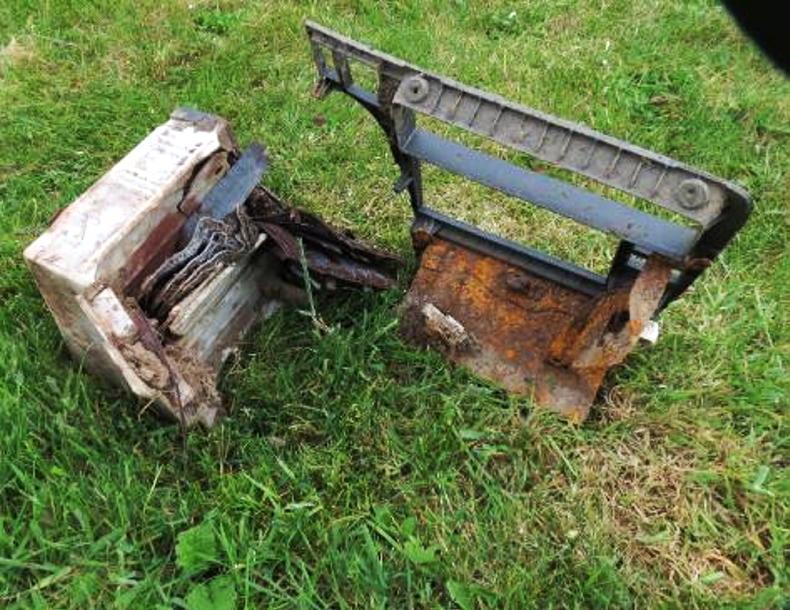
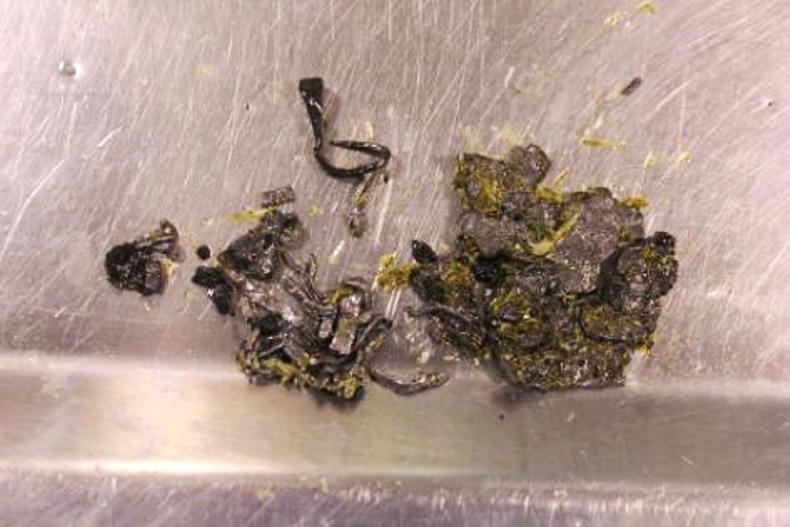
The Department of Agriculture, Food and the Marine is urging farmers to carefully check their fields and hedgerows for sources of lead before turning animals out for grazing this spring.
The Department has said that lead poisonings commonly peak in late spring and early summer as animals are turned out to pasture and can cause substantial losses for farmers.
Hedgerows specifically beside public roads should be checked thoroughly for dumped risk materials.
Lead is highly toxic to animals, especially cattle and sheep, with calves being notably affected due to their risk increased susceptibility and curious nature.
The Department has said: “Catastrophic losses have occurred on occasion, where discarded batteries have been accidentally incorporated into silage and this silage then fed to cattle.”
Additionally, lead exposures pose a public health risk if it occurs in milking cows or beef cattle ready for slaughter, which may enter the food chain. However, lead poisoning cases are investigated carefully by the Department to protect the human food chain.
Possible sources of lead
Clinical signs
Diagnosis
In terms of diagnosis, lead poisoning can be found through clinical signs or by finding a source of lead which the animals had access to.
“Measurement of lead concentrations in tissue or blood by your local Department regional veterinary laboratory, on referral by your vet, will confirm the diagnosis,” the Department has stated.
Key preventative actions advised by Department
The Department recommends that “if you suspect lead poisoning in an animal, contact your vet. They will be able to advise you regarding the diagnosis and can arrange to have clinical samples tested or a postmortem conducted on your animal at a Department veterinary laboratory to confirm the diagnosis.”