


European banking chief visits NI
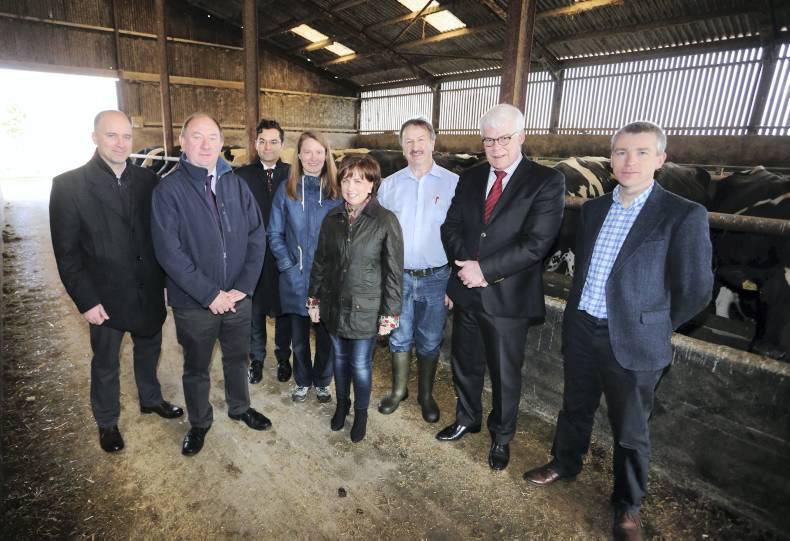
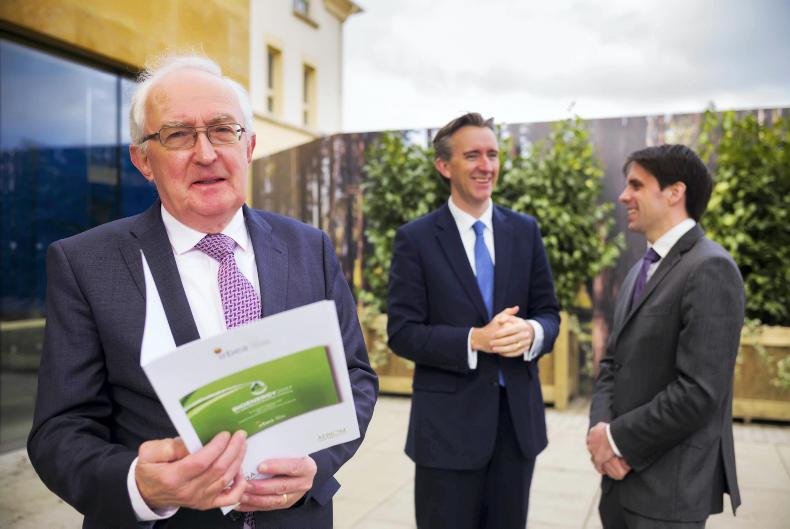
The vice-president of the European Investment Bank (EIB), Pim van Ballekom was in NI last week at the invitation of DUP MEP Diane Dodds as part of an exercise to explore how the bank might get involved with the local agri-food sector.
His visit comes nearly 12 months after European Commissioner for Agriculture and Rural Development Phil Hogan came to NI and raised the possibility that the EIB could be an alternative source of finance for farmers. That pressure from the Commissioner has stimulated a new emphasis and focus on agriculture within the EIB.
During the visit last week, van Ballekom met with representatives from the local banks, various stakeholders, visited Dale Farm and was on dairy, beef and pig farms.
In a briefing for journalists, he described the EIB as a public bank of the 28 member states of the EU. “We are there to step up our activities in an economic downturn when commercial banks might do the opposite,” he explained.
He said that they are open to lending money over a longer timeframe, or perhaps at lower repayment rates, and also sharing risks with local banks.
The process works when a client approaches the EIB with their business plan. The client will normally have a local bank willing to partner in the project. An example of a project which could involve the EIB is the €100m Glanbia MilkFlex loan fund announced earlier this month.
As well as Glanbia it includes Rabobank, Finance Ireland and the Ireland Strategic Investment Fund as partners.
While the EIB is yet to put money into the scheme, the inference from van Ballekom was that they are open to funding this and similar schemes in the future.
Another possible route for EIB to put money into local agriculture would be through financial instruments (products such as loans or equity funds) written into the current NI Rural Development Programme (RDP). That would require the involvement of DARD and also a local bank through which the EIB money is channelled. A farmer investing in a RDP scheme would then apply to this local bank for funding.
Ulster Bank rows back on deadline
As exclusively reported by the Irish Farmers Journal, Ulster Bank is continuing its plans to offload a section of its distressed loan book.
Ulster Bank had told customers in debt management by phone that they had 30 days, until 31 March to repay, refinance with another lender or potentially have their loan sold to a third party.
However, the bank has now clarified that the March deadline is a date for reply rather than a date of a proposed loan sale.
It is understood that 75% of the potential loan book sale would comprise loans seriously impaired and in debt recovery proceedings for the last number of years. The remaining 25% of loans are understood to be in a debt management unit, a step before this.
Ulster Bank is adamant that it has not moved on these customers as a result of falling dairy prices or falling farm incomes in general.
The bank has also given the commitment that it will look at each customer included in the list on a case by case basis. It is encouraging customers who feel they have been included in error to contact the bank directly.



SHARING OPTIONS