Growth promoters and incorrect dose usage main reasons for failed residue tests
While the overall level of compliance across all major food-producing sectors was very high, two major issues resulted in non-compliant residue samples.
Latest figures from a Department of Agriculture report show a high level of compliance across all sectors, with just 0.3% of samples (51) non-compliant. \ Ramona Farrelly
ADVERTISEMENT
The growth promoter Thiouracil accounted for one third (17) of all non-compliant residue test results, while excess anthelmintic residues made up another third (18) of failed samples in 2017.
Latest figures from a Department of Agriculture report show an otherwise high level of compliance across all sectors, with just 0.3% of samples (51) non-compliant.
ADVERTISEMENT
Where growth promoters were detected, a followup investigation was launched by the Department. In all 17 cases, they it concluded no illegal administration had taken place.
Diets rich in brassicas
Instead, it is was determined that feeding diets rich in brassicas, such as kale or rape, could result in low levels of Thiouracil being detected.
Residues of authorised veterinary medicines in excess of maximum residue limits (MRLs) were found in a total of 22 samples, but no harmful food stuff entered the food chain.
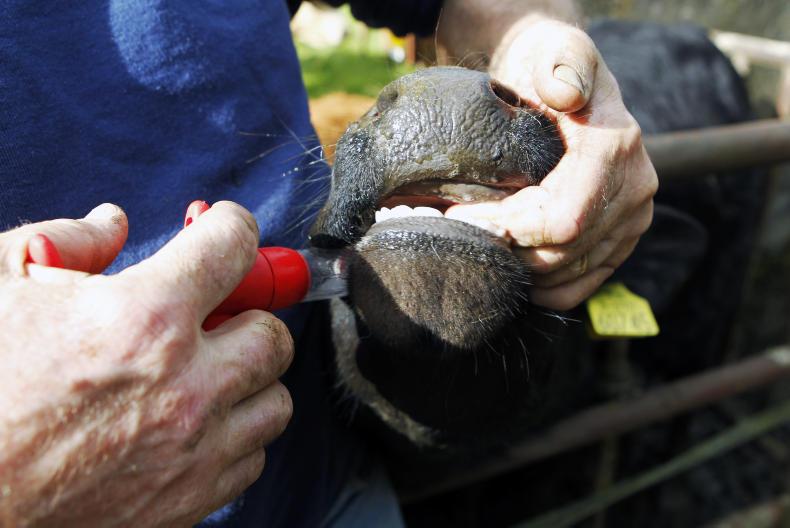
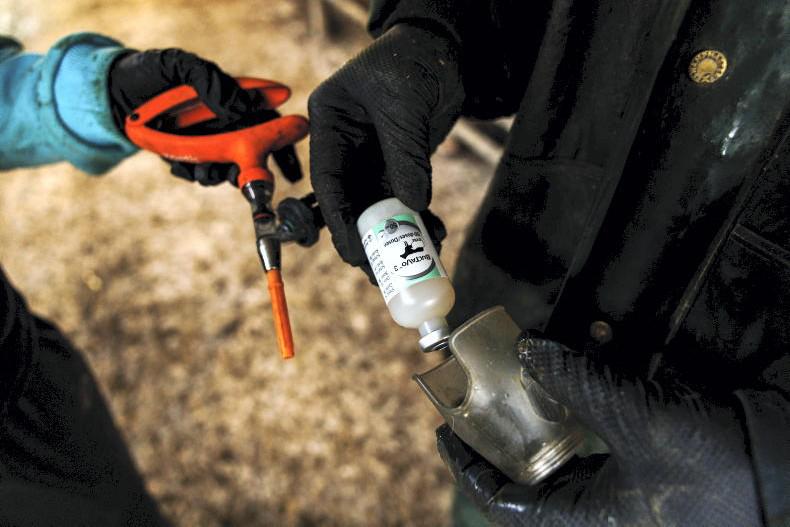
Residues of anthelmintics accounted for 18 of those samples. The Department said this indicated that specified post-treatment withdrawal periods had not been observed or incorrect administration had occurred.
This content is available to digital subscribers and loyalty code users only. Sign in to your account, use the code or subscribe to get unlimited access.
The reader loyalty code gives you full access to the site from when you enter it until the following Wednesday at 9pm. Find your unique code on the back page of Irish Country Living every week.
CODE ACCEPTED
You have full access to the site until next Wednesday at 9pm.
CODE NOT VALID
Please try again or contact support.
The growth promoter Thiouracil accounted for one third (17) of all non-compliant residue test results, while excess anthelmintic residues made up another third (18) of failed samples in 2017.
Latest figures from a Department of Agriculture report show an otherwise high level of compliance across all sectors, with just 0.3% of samples (51) non-compliant.
Where growth promoters were detected, a followup investigation was launched by the Department. In all 17 cases, they it concluded no illegal administration had taken place.
Diets rich in brassicas
Instead, it is was determined that feeding diets rich in brassicas, such as kale or rape, could result in low levels of Thiouracil being detected.
Residues of authorised veterinary medicines in excess of maximum residue limits (MRLs) were found in a total of 22 samples, but no harmful food stuff entered the food chain.
Residues of anthelmintics accounted for 18 of those samples. The Department said this indicated that specified post-treatment withdrawal periods had not been observed or incorrect administration had occurred.
If you would like to speak to a member of our team, please call us on 01-4199525.
Link sent to your email address
We have sent an email to your address. Please click on the link in this email to reset your password. If you can't find it in your inbox, please check your spam folder. If you can't find the email, please call us on 01-4199525.
ENTER YOUR LOYALTY CODE:
The reader loyalty code gives you full access to the site from when you enter it until the following Wednesday at 9pm. Find your unique code on the back page of Irish Country Living every week.







SHARING OPTIONS