Irish law should be updated to establish height restrictions for roadside trees and hedges in order to protect the country’s electricity infrastructure from future storms, a Government review into the response to storm Éowyn has recommended.
One of the most destructive storms in recent history, storm Éowyn hit Ireland on the night of 23 January 2025 and into the following morning.
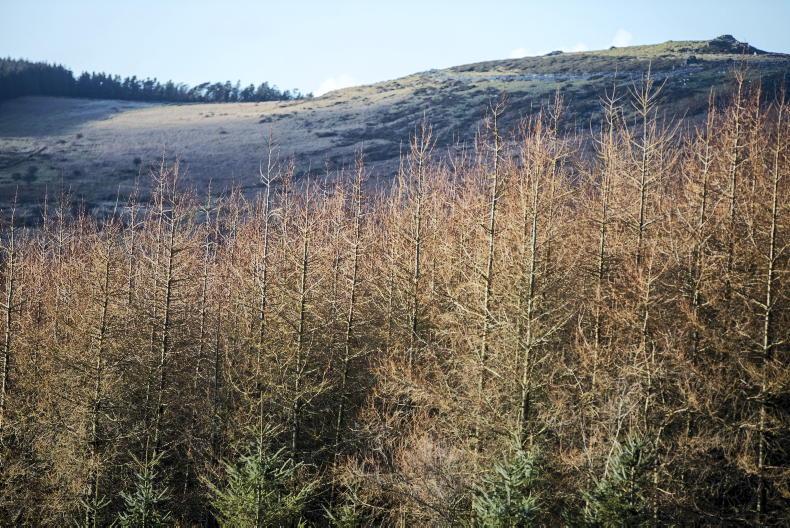
The storm caused extensive damage to forestry plantations, farm sheds, homes and the electricity network.
In order to protect key electricity infrastructure and limiting the impact of future storms, the review recommends that legislative measures should be progressed to:
Provide for enhanced proactive vegetation management measures to protect the electricity and telecommunications network, including powers to address vegetation that presents risks to the electrical network.Include the establishment of height limitations for roadside vegetation and the powers and responsibility to enforce same.Provide for the establishment and maintenance of forestry corridors to improve resilience and operational safety of the electricity and telecommunications network.The report does not suggest a maximum height for roadside trees and hedges.
Work is already afoot on the matter, as, in July, the Department of Environment, Climate and Communications brought a memo to Government addressing legislative provisions for enhanced “proactive vegetation management measures to protect the electricity network”.
This included powers to clear vegetation likely to interfere with the network within a 24-month period, provide for the establishment and maintenance of forestry corridors to improve resilience and provide for statutory regulation of future forestry planting in proximity to the electricity network.
Damage
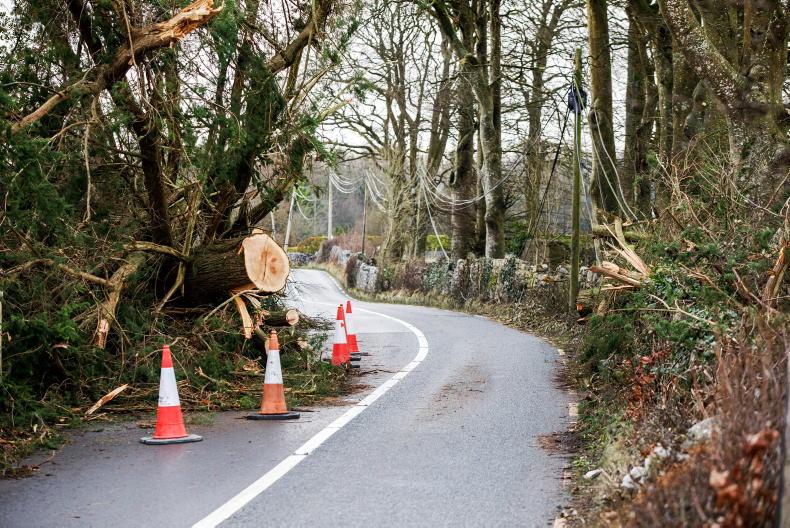
High winds and roadside tree-fall during the storm floored over 6,000 poles and damaged more than 1,500km of fibre and copper in both the access and transmission networks.
“Repair was also complicated by obligations on operators to manage access with landowners and road closures with local authorities,” the review found.

Irish law should be updated to establish height restrictions for roadside trees and hedges in order to protect the country’s electricity infrastructure from future storms, a Government review into the response to storm Éowyn has recommended.
One of the most destructive storms in recent history, storm Éowyn hit Ireland on the night of 23 January 2025 and into the following morning.
The storm caused extensive damage to forestry plantations, farm sheds, homes and the electricity network.
In order to protect key electricity infrastructure and limiting the impact of future storms, the review recommends that legislative measures should be progressed to:
Provide for enhanced proactive vegetation management measures to protect the electricity and telecommunications network, including powers to address vegetation that presents risks to the electrical network.Include the establishment of height limitations for roadside vegetation and the powers and responsibility to enforce same.Provide for the establishment and maintenance of forestry corridors to improve resilience and operational safety of the electricity and telecommunications network.The report does not suggest a maximum height for roadside trees and hedges.
Work is already afoot on the matter, as, in July, the Department of Environment, Climate and Communications brought a memo to Government addressing legislative provisions for enhanced “proactive vegetation management measures to protect the electricity network”.
This included powers to clear vegetation likely to interfere with the network within a 24-month period, provide for the establishment and maintenance of forestry corridors to improve resilience and provide for statutory regulation of future forestry planting in proximity to the electricity network.
Damage
High winds and roadside tree-fall during the storm floored over 6,000 poles and damaged more than 1,500km of fibre and copper in both the access and transmission networks.
“Repair was also complicated by obligations on operators to manage access with landowners and road closures with local authorities,” the review found.

SHARING OPTIONS