



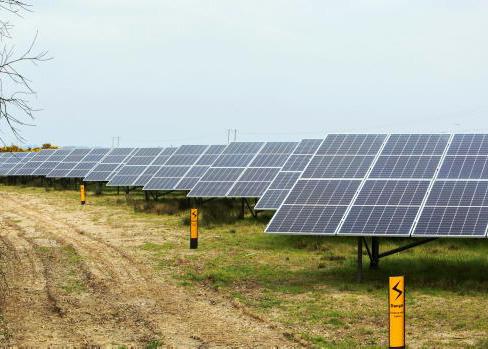
A shortage of critical raw materials risks scuppering the EU’s renewable energy and climate goals, a European Court of Auditors (ECA) report has warned.
The ECA report claimed Europe’s aim of producing 42.5% of its energy needs from renewable sources by 2030 could be seriously compromised by restricted access to materials such as lithium, nickel, cobalt, copper, and some rare earth elements.
China, Turkey, and Chile currently supply most of these raw materials to the EU.
“Unfortunately, we are now dangerously dependent on a handful of countries outside the EU for the supply of these materials,” said Keit Pentus-Rosimannus, the ECA member responsible for the audit.
“Without [these] critical raw materials, there will be no energy transition, no competitiveness, and no strategic autonomy,” he added.
“It is therefore vital for the EU to up its game and reduce its vulnerability in this area,” said Pentus-Rosimannus.
The EU adopted its Critical Raw Materials (CRM) Act in 2024, with a view to ensuring a long-term secure supply of 26 minerals identified as critical for the energy transition.
With the CRM Act, the EU has sought to diversify imports but these efforts have yet to produce tangible results, the auditors noted.
The CRM Act also envisaged that at least 25% of the EU’s strategic raw materials should originate from recycled sources by 2030.
But the outlook on this front is not promising.
Seven of the 26 key materials needed for the energy transition have recycling rates of between 1% and 5%, while 10 are not recycled at all.





SHARING OPTIONS