


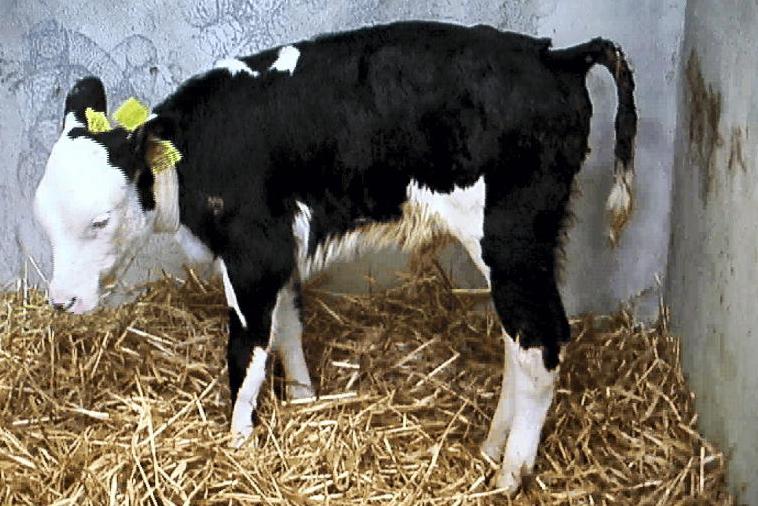
The turn of fine weather, though long overdue, has been a tonic on-farm and in the practice and while breeding season and ultimately next year’s batch of calves is on everyone’s mind, there are still some issues that may affect this year’s bunch.
After the inevitable weather forecast discussion, we have been hearing of calves that are still in good form, but have a bit of scour, often bloody, and in some cases are lacking in thrive and straining.
Some calves have even needed extra help as the straining has led to prolapse.
All these things combined point towards some likely issues with coccidiosis.
Coccidiosis is caused by a parasite and is a common condition of young calves seen in the shed and out on grass.
Signs of disease can vary significantly within a group with some showing no obvious signs.
However, thrive will ultimately be affected in these calves also due to gut damage limiting the calf’s ability to absorb nutrients and gain weight. When calves head out to grass there may also be issues, as the parasite eggs are very resistant and will build up in paddocks and survive from one year to the next. Speak to your vet if you are having issues, as they can look at dung samples and advise on the best course of management.
There are a few different products available to prevent coccidiosis.
The timing of administration is important to ensure the product is effective.
If there is a history of problems after turnout, a dose should be given two weeks after calves go out to allow some exposure – but act before an outbreak.
All calves in the group need to be treated, as they will all have been exposed and without treatment there may be a big knock back on thrive in the long run – and you have put in too much hard work to let that happen.
Paul Ryan, XLVets, Waterside Veterinary, Limerick



SHARING OPTIONS