At last, we have a clear measure of the environmental impact of relevant biotechnology.
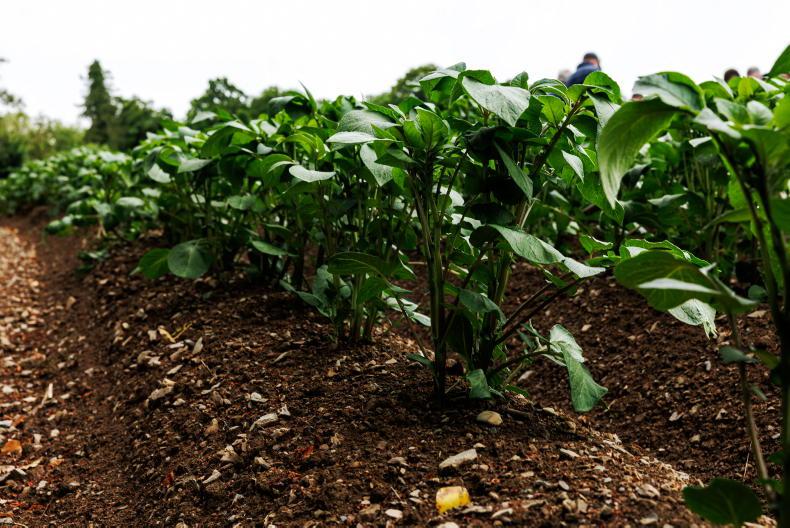
Over the last number of years, Teagasc to its credit, has been looking at the possible place of a GM potato engineered for late blight resistance. The results of a full three years of crop production and analysis are summarised in Teagasc’s excellent latest “Research Impact Highlights” publication. While the trials were being done, Teagasc came under pressure to suspend them and the plots themselves were subject to threats of sabotage and destruction. Teagasc stuck with the trials and the results are now crystal clear.
Conventional potato-growing normally needs more than 12 fungicide sprays per season to control the blight that gave us the potato famine. This spraying programme is by far the main contributor to the environmental effect of conventional potato growing being measured as having over 700 environmental impact points. The GM-engineered potato – the so-called cisgenic variety – had less than 10 environment impact points, just over 1% of the conventional. It is incredible given the hugely beneficial environmental impact of the genetic engineered change involving the introduction of no genetic material from a non-related species that the objections to the technology can be so deep-rooted and intransigent. Coupled with this beneficial environmental effect, there was no significant difference in yield from the cisgenic variety and the control variety which had received a weekly fungicide application. We desperately need similar new solutions in cereals. A similar genetic engineering for septoria would have enormous benefits.
ADVERTISEMENT
With Monsanto as a brand name now disappearing as a result of the Bayer takeover and an Irish man Liam Condon in charge of agriculture in the new entity, hopefully we will see a reappraisal of what is in both agriculture’s and the environment’s interest.
Last week, I may have been too simplistic in saying that the key productive traits in the beef cattle genome had been fully worked out. While this is true to some extent, it is still some way from commercial reality in forecasting an individual animal’s potential though it is still a worthwhile objective.
This content is available to digital subscribers and loyalty code users only. Sign in to your account, use the code or subscribe to get unlimited access.
The reader loyalty code gives you full access to the site from when you enter it until the following Wednesday at 9pm. Find your unique code on the back page of Irish Country Living every week.
CODE ACCEPTED
You have full access to the site until next Wednesday at 9pm.
CODE NOT VALID
Please try again or contact support.
At last, we have a clear measure of the environmental impact of relevant biotechnology.
Over the last number of years, Teagasc to its credit, has been looking at the possible place of a GM potato engineered for late blight resistance. The results of a full three years of crop production and analysis are summarised in Teagasc’s excellent latest “Research Impact Highlights” publication. While the trials were being done, Teagasc came under pressure to suspend them and the plots themselves were subject to threats of sabotage and destruction. Teagasc stuck with the trials and the results are now crystal clear.
Conventional potato-growing normally needs more than 12 fungicide sprays per season to control the blight that gave us the potato famine. This spraying programme is by far the main contributor to the environmental effect of conventional potato growing being measured as having over 700 environmental impact points. The GM-engineered potato – the so-called cisgenic variety – had less than 10 environment impact points, just over 1% of the conventional. It is incredible given the hugely beneficial environmental impact of the genetic engineered change involving the introduction of no genetic material from a non-related species that the objections to the technology can be so deep-rooted and intransigent. Coupled with this beneficial environmental effect, there was no significant difference in yield from the cisgenic variety and the control variety which had received a weekly fungicide application. We desperately need similar new solutions in cereals. A similar genetic engineering for septoria would have enormous benefits.
With Monsanto as a brand name now disappearing as a result of the Bayer takeover and an Irish man Liam Condon in charge of agriculture in the new entity, hopefully we will see a reappraisal of what is in both agriculture’s and the environment’s interest.
Last week, I may have been too simplistic in saying that the key productive traits in the beef cattle genome had been fully worked out. While this is true to some extent, it is still some way from commercial reality in forecasting an individual animal’s potential though it is still a worthwhile objective.
If you would like to speak to a member of our team, please call us on 01-4199525.
Link sent to your email address
We have sent an email to your address. Please click on the link in this email to reset your password. If you can't find it in your inbox, please check your spam folder. If you can't find the email, please call us on 01-4199525.
ENTER YOUR LOYALTY CODE:
The reader loyalty code gives you full access to the site from when you enter it until the following Wednesday at 9pm. Find your unique code on the back page of Irish Country Living every week.







SHARING OPTIONS