The Dairy Equipment Scheme (DES) entry route to the Targeted Agricultural Modernisation Scheme (TAMS) was opened this week by Minister for Agriculture, Charlie McConalogue. In his launch statement, the minister highlighted that the DES will be especially beneficial to young farmers and new entrants.
He said: “The launch of the Dairy Equipment Scheme will also encourage dairy farmers, especially young farmers and new entrants to dairying, with support in meeting the capital costs of modern herd management, energy saving, and animal welfare standards required to compete in the sector.”
The marking scheme for ranking and selecting applications is also weighted to these farmers.
Table 1 details the criteria used and the relevant scoring for each. Farmers who are aged 40 and under in the year of application will receive 20 marks, with no marks awarded once farmers turn 41 years of age at time of application. Farmers who have not previously drawn down funds or who did not draw down their full €80,000 allocation will also receive higher marks.
Holdings which have a higher area of land eligible under the Areas of Natural Constraint will receive higher marks. Farmers with a stocking rate of in excess of 170kg organic nitrogen per hectare prior to the export of slurry will be deducted 20 marks.
Restrictions confirmed
The DES has already attracted a lot of attention. Details that emerged on the introduction of significant restrictions for larger or established holdings or eligibility conditions received a strong backlash. These restrictions are confirmed in the terms and conditions.
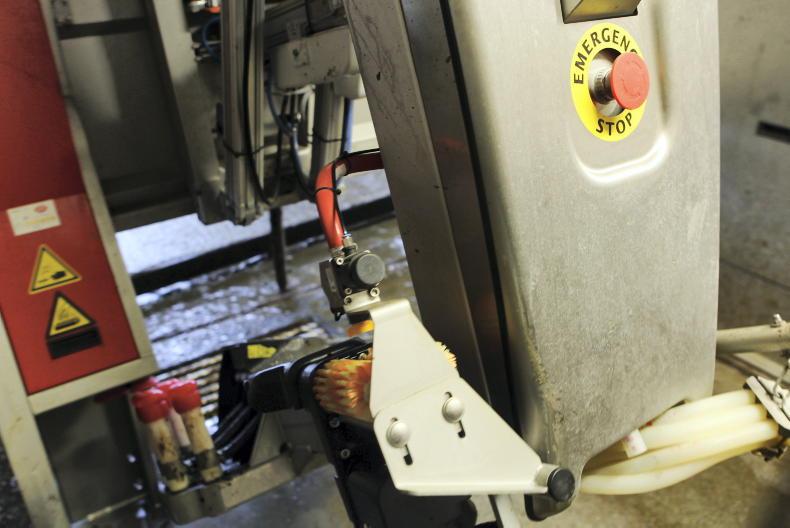
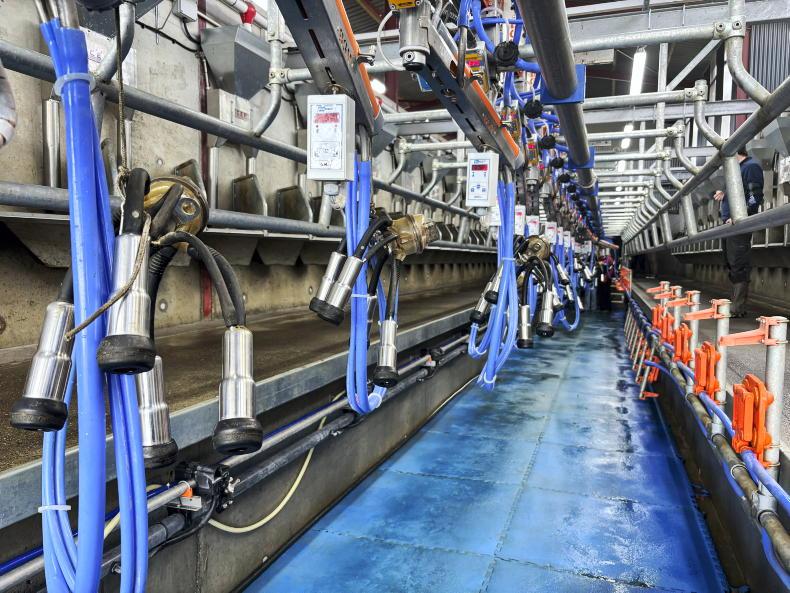
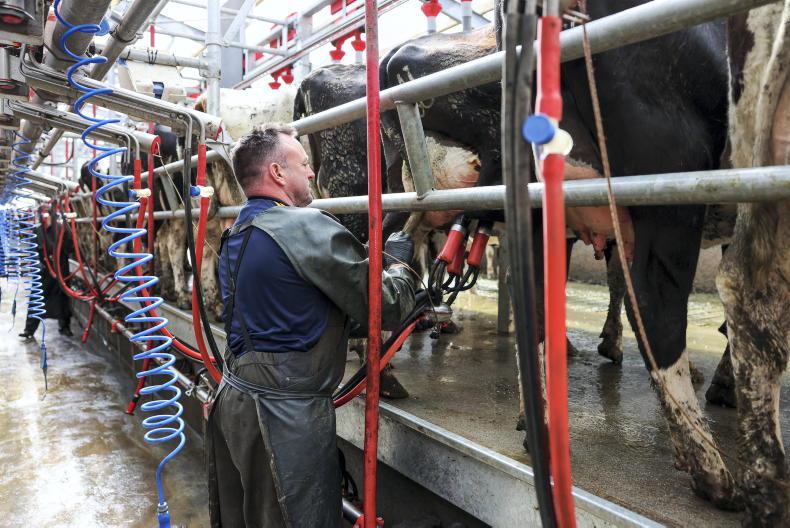
Grant aid will only be paid on one robotic milking machine per holding or 10 milking machine units in a herringbone-style parlour per holding. Applicant who received grant aid for a robotic milking machine under TAMS II will not be eligible under TAMS III.
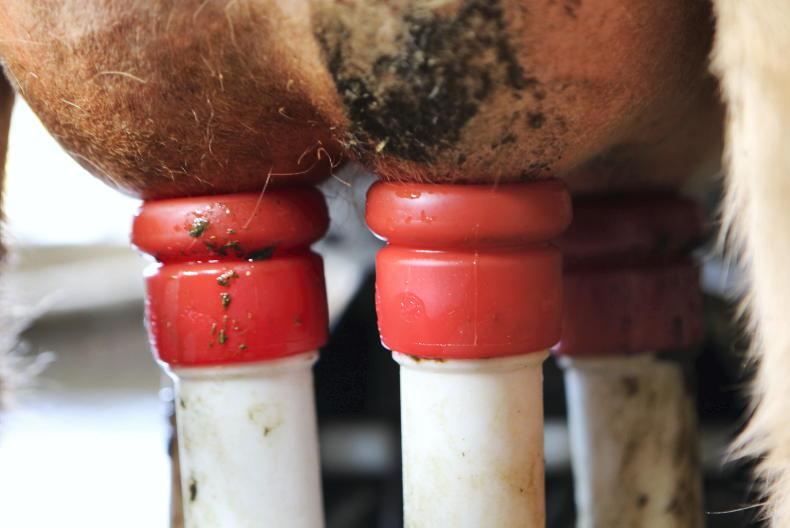
Milking machines are limited to one robotic milking machine or 10 herringbone style milking machine units per holding.
The one machine per holding rule also applies to registered farm partnerships, regardless of the number of partners with such an entity deemed as one holding for the purposes of TAMS III.
Applications for milking machines under TAMS III are restricted to holdings of no more than 120 cows.
This was well documented prior to the opening, with the latest news being that the figure used will be the average of dairy cow numbers on the holding on 31 March, 30 June, 30 September and 31 December of the relevant year preceding the application.
Applications under the scheme for milking machine investments must also have at least 10% additional slurry storage above the legal minimum at the date of application.
The slurry storage must be present on land owned by the applicant or land that an applicant has on a long-term lease, with the minimum period extended to seven years from the date of application.
The Department states that applications for all other investments in the DES are open to dairy farmers with more than 120 cows and “approximately 80% of all dairy farms have 120 cows or less”.
Scheme workings
The DES opened for applications on Monday 8 May, with tranche 1 closing on 16 June 2023. Grant aid will be paid on approved, completed and eligible expenditure at a rate of 40% up to the maximum applicable investment ceiling of €90,000 per holding.
Minister McConalogue added in his opening statement that the DES was also heavily focused on environmental investments required on dairy farms.
Other investments eligible for grant aid include equipment under the headings of milk storage and cooling; water heating, milk recording, automatic washing of milking machine and backup PTO generators.
LESS opening
The low-emission slurry spreading entry route also opened on Monday and this scheme is extensively covered in this week’s machinery section.
The Dairy Equipment Scheme (DES) entry route to the Targeted Agricultural Modernisation Scheme (TAMS) was opened this week by Minister for Agriculture, Charlie McConalogue. In his launch statement, the minister highlighted that the DES will be especially beneficial to young farmers and new entrants.
He said: “The launch of the Dairy Equipment Scheme will also encourage dairy farmers, especially young farmers and new entrants to dairying, with support in meeting the capital costs of modern herd management, energy saving, and animal welfare standards required to compete in the sector.”
The marking scheme for ranking and selecting applications is also weighted to these farmers.
Table 1 details the criteria used and the relevant scoring for each. Farmers who are aged 40 and under in the year of application will receive 20 marks, with no marks awarded once farmers turn 41 years of age at time of application. Farmers who have not previously drawn down funds or who did not draw down their full €80,000 allocation will also receive higher marks.
Holdings which have a higher area of land eligible under the Areas of Natural Constraint will receive higher marks. Farmers with a stocking rate of in excess of 170kg organic nitrogen per hectare prior to the export of slurry will be deducted 20 marks.
Restrictions confirmed
The DES has already attracted a lot of attention. Details that emerged on the introduction of significant restrictions for larger or established holdings or eligibility conditions received a strong backlash. These restrictions are confirmed in the terms and conditions.
Grant aid will only be paid on one robotic milking machine per holding or 10 milking machine units in a herringbone-style parlour per holding. Applicant who received grant aid for a robotic milking machine under TAMS II will not be eligible under TAMS III.
Milking machines are limited to one robotic milking machine or 10 herringbone style milking machine units per holding.
The one machine per holding rule also applies to registered farm partnerships, regardless of the number of partners with such an entity deemed as one holding for the purposes of TAMS III.
Applications for milking machines under TAMS III are restricted to holdings of no more than 120 cows.
This was well documented prior to the opening, with the latest news being that the figure used will be the average of dairy cow numbers on the holding on 31 March, 30 June, 30 September and 31 December of the relevant year preceding the application.
Applications under the scheme for milking machine investments must also have at least 10% additional slurry storage above the legal minimum at the date of application.
The slurry storage must be present on land owned by the applicant or land that an applicant has on a long-term lease, with the minimum period extended to seven years from the date of application.
The Department states that applications for all other investments in the DES are open to dairy farmers with more than 120 cows and “approximately 80% of all dairy farms have 120 cows or less”.
Scheme workings
The DES opened for applications on Monday 8 May, with tranche 1 closing on 16 June 2023. Grant aid will be paid on approved, completed and eligible expenditure at a rate of 40% up to the maximum applicable investment ceiling of €90,000 per holding.
Minister McConalogue added in his opening statement that the DES was also heavily focused on environmental investments required on dairy farms.
Other investments eligible for grant aid include equipment under the headings of milk storage and cooling; water heating, milk recording, automatic washing of milking machine and backup PTO generators.
LESS opening
The low-emission slurry spreading entry route also opened on Monday and this scheme is extensively covered in this week’s machinery section.







SHARING OPTIONS