



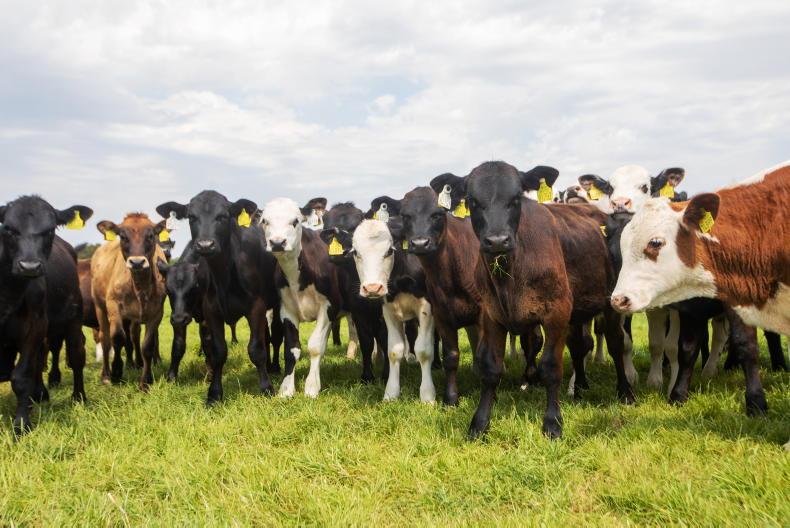
The latest animal identification and movement data published by the Department of Agriculture, Food and the Marine shows there was over 45,000 fewer beef cattle aged zero to 42 months on farms on 1 January 2023, compared with 1 January 2022.
The reduction in numbers is being driven mainly by fewer animals in the six- to 12-month age category. There were 22,283 fewer male beef cattle, 20,994 fewer beef cattle and 8,679 fewer beef females, or a total of 51,956 head.
The lower figure is being underpinned by a significant increase in calf exports in 2022, with 153,081 head exported at less than six months of age and 22,813 head between six weeks and six months of age.
Beef cattle
The number of beef cattle in the 12- to 18-month age category was 6,372 head higher, while numbers in the 18- to 24-month age category were stronger to the tune of 11,555 head.
This is in contrast to 4,716 fewer cattle aged 24 to 30 months and 11,596 more beef cattle aged between 30 and 36 months of age.
Cow numbers
The data shows a continued decline in suckler cow numbers, with numbers recorded on 1 January 2023, at 837815 head, falling by 26,601 on the previous year.
There were declines across all age categories rather than any particular trend. The strength of the cull cow trade in recent months continues to entice higher numbers forward.
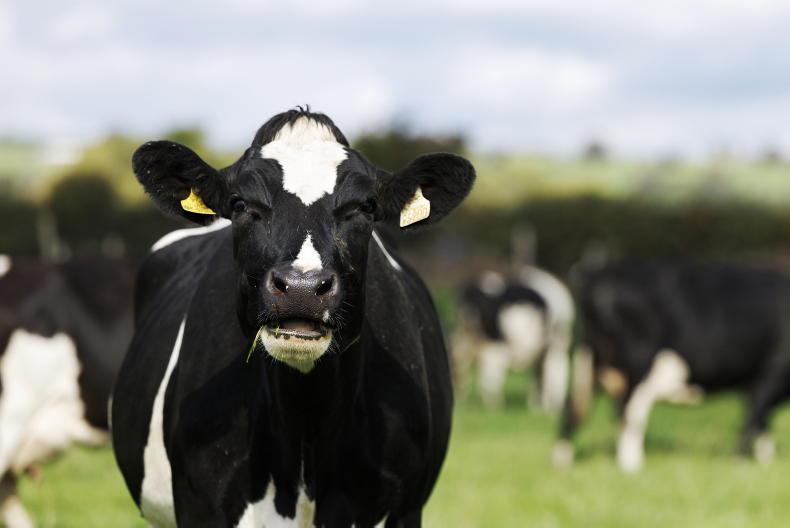
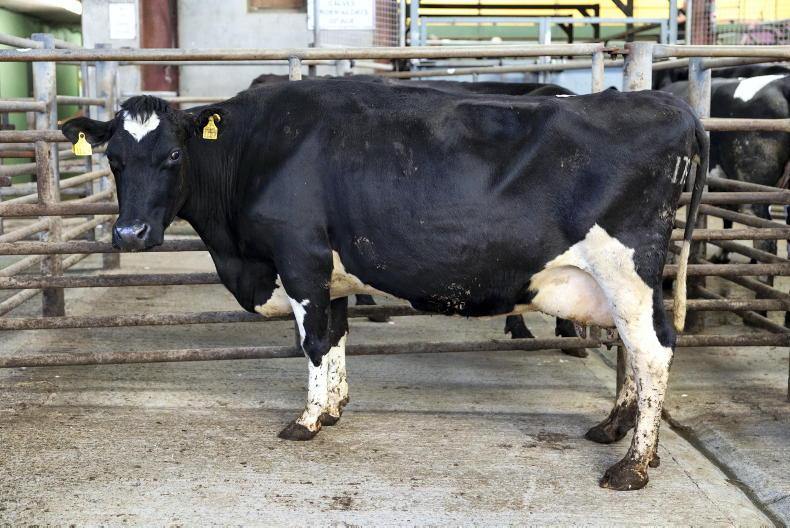
The number of dairy cows eased marginally by 1,311 head to lie just above 1.5m head at 1,501,093.
The sector is still likely to record growth in 2023, with 24,405 more dairy heifers on farms aged 18 to 24 months of age and 604 in the 24- to 30-month age category.


SHARING OPTIONS