The Irish education system is, in theory, free at the point of delivery. However, as many parents will know, there are several hidden expenses associated with sending a child to school. One of the biggest costs? The voluntary contribution fee.
While schools recognised in the Free Education Scheme cannot request mandatory fees and payments from pupils, they can request voluntary contributions. These are sometimes referred to as administration fees or school fees.
The contributions cover a non-exhaustive list of activities or resources, and the amount charged to parents will vary from school to school, depending on its size and location. The fee usually goes towards covering the costs of photocopied material, lockers, or services provided by the school, like school tours, sport and extracurricular activities.
Some schools will argue that reliance on voluntary contribution is a symptom of an education system which has suffered from an historic and continued lack of Government investment, and that these contributions are necessary to cover costs that are not met by funding from the Department of Education.
The Department of Education has issued guidance for schools that “voluntary contributions may be sought from parents, provided it is made clear to parents that there is no compulsion to pay and that a child’s place in the school or continued enrolment is not dependant on a willingness to make a voluntary contribution”.
What is not absolutely clear, however, is that these contributions are indeed voluntary. In a piece of 2023 research carried out by St Vincent de Paul, 1,271 (86%) responses from parents reported that the post-primary school which their child attends requests a voluntary contribution. And 80% of respondents stated that voluntary contributions were not clearly communicated as being optional. Most parents don’t feel like the contribution fee is voluntary.
Irish Country Living spoke to Stephen Moffatt, national policy manager at Barnardos, a children’s charity that has spent years researching the voluntary contribution fee. Stephen explains that feelings of guilt and shame often motivate parents to pay the contribution.

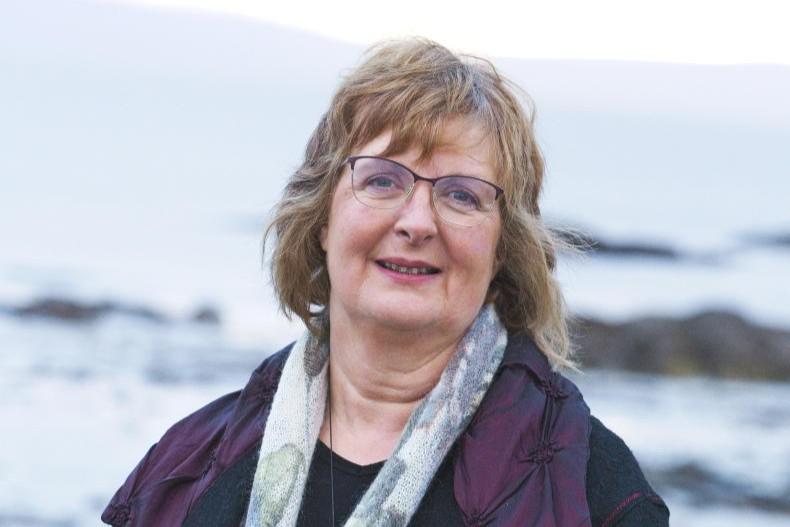
Stephen Moffatt says parents often feel shame when they cannot afford to pay the voluntary contribution fee.
“Some parents don’t feel it’s voluntary because they feel like they need to pay it. The school will tell them that without it they’re not being fully funded by the Government to cover all running costs. Parents feel like if they don’t provide it, it’s going to have an impact on all the children within the school,” says Stephen.
“A lot of parents as well just say it doesn’t feel voluntary, the way it’s requested, how they get notification about it, how they’re reminded about it repeatedly, chasing people up, how it’s recorded.”
Higher contributions
The research from St Vincent de Paul shows the average voluntary contribution per pupil is €140, with charges reported by parents as being as high as €550 per child.
“Some schools still do tie in voluntary contributions, with say access to lockers or journals and things like that, and children don’t get access to them unless the voluntary contribution is paid. It’s not a regular thing, but it still happens,” says Stephen. “There are examples of parents getting seven or eight reminders and children bringing notes home from school. They might be generic reminders, but it just shouldn’t come anywhere near children,” he adds.
Voluntary contributions are found to be significantly higher in urban rather than rural areas, in particular within the Dublin region. However, Stephen says that there are specific elements associated with the contribution fee that affect families in rural Ireland, in particular the notion that ‘everyone knows everyone’.
“A lot of parents in rural areas will say they might know people within the school, they’re concerned people are finding out who has and has not paid these voluntary contributions.
“You know, ‘the school secretary knows friends and family, they’re going to know I haven’t paid’ – that kind of concern comes up quite a bit in more rural areas,” says Stephen. “And parents do feel a degree of shame about that, which obviously they shouldn’t.”
Back to school
Responses from parents also suggests that schools should better communicate how the voluntary contribution is spent, with reported lack of transparency about where the money goes. This is a central theme in the St Vincent de Paul report and something that Stephen Moffat states parents raise with Barnardos.
“It can be an issue that parents bring up. They say, ‘We provided this money, but we have no idea where this is going.’ Generally, principals will say it’s electricity, heating, that sort of thing. But there’s a lack of transparency about how much money goes on different things. There’s a frustration around that.”
Charities like St Vincent de Paul and Barnardos argue there should be full transparency around where the requested contributions go, and schools should publish how they are spent.
Voluntary contributions make up a large part of our education system.
They’re part and parcel with back to school costs and parents have come to expect, and in some cases, accept them. The bottom line is these contributions are not so voluntary after all.
The Irish education system is, in theory, free at the point of delivery. However, as many parents will know, there are several hidden expenses associated with sending a child to school. One of the biggest costs? The voluntary contribution fee.
While schools recognised in the Free Education Scheme cannot request mandatory fees and payments from pupils, they can request voluntary contributions. These are sometimes referred to as administration fees or school fees.
The contributions cover a non-exhaustive list of activities or resources, and the amount charged to parents will vary from school to school, depending on its size and location. The fee usually goes towards covering the costs of photocopied material, lockers, or services provided by the school, like school tours, sport and extracurricular activities.
Some schools will argue that reliance on voluntary contribution is a symptom of an education system which has suffered from an historic and continued lack of Government investment, and that these contributions are necessary to cover costs that are not met by funding from the Department of Education.
The Department of Education has issued guidance for schools that “voluntary contributions may be sought from parents, provided it is made clear to parents that there is no compulsion to pay and that a child’s place in the school or continued enrolment is not dependant on a willingness to make a voluntary contribution”.
What is not absolutely clear, however, is that these contributions are indeed voluntary. In a piece of 2023 research carried out by St Vincent de Paul, 1,271 (86%) responses from parents reported that the post-primary school which their child attends requests a voluntary contribution. And 80% of respondents stated that voluntary contributions were not clearly communicated as being optional. Most parents don’t feel like the contribution fee is voluntary.
Irish Country Living spoke to Stephen Moffatt, national policy manager at Barnardos, a children’s charity that has spent years researching the voluntary contribution fee. Stephen explains that feelings of guilt and shame often motivate parents to pay the contribution.
Stephen Moffatt says parents often feel shame when they cannot afford to pay the voluntary contribution fee.
“Some parents don’t feel it’s voluntary because they feel like they need to pay it. The school will tell them that without it they’re not being fully funded by the Government to cover all running costs. Parents feel like if they don’t provide it, it’s going to have an impact on all the children within the school,” says Stephen.
“A lot of parents as well just say it doesn’t feel voluntary, the way it’s requested, how they get notification about it, how they’re reminded about it repeatedly, chasing people up, how it’s recorded.”
Higher contributions
The research from St Vincent de Paul shows the average voluntary contribution per pupil is €140, with charges reported by parents as being as high as €550 per child.
“Some schools still do tie in voluntary contributions, with say access to lockers or journals and things like that, and children don’t get access to them unless the voluntary contribution is paid. It’s not a regular thing, but it still happens,” says Stephen. “There are examples of parents getting seven or eight reminders and children bringing notes home from school. They might be generic reminders, but it just shouldn’t come anywhere near children,” he adds.
Voluntary contributions are found to be significantly higher in urban rather than rural areas, in particular within the Dublin region. However, Stephen says that there are specific elements associated with the contribution fee that affect families in rural Ireland, in particular the notion that ‘everyone knows everyone’.
“A lot of parents in rural areas will say they might know people within the school, they’re concerned people are finding out who has and has not paid these voluntary contributions.
“You know, ‘the school secretary knows friends and family, they’re going to know I haven’t paid’ – that kind of concern comes up quite a bit in more rural areas,” says Stephen. “And parents do feel a degree of shame about that, which obviously they shouldn’t.”
Back to school
Responses from parents also suggests that schools should better communicate how the voluntary contribution is spent, with reported lack of transparency about where the money goes. This is a central theme in the St Vincent de Paul report and something that Stephen Moffat states parents raise with Barnardos.
“It can be an issue that parents bring up. They say, ‘We provided this money, but we have no idea where this is going.’ Generally, principals will say it’s electricity, heating, that sort of thing. But there’s a lack of transparency about how much money goes on different things. There’s a frustration around that.”
Charities like St Vincent de Paul and Barnardos argue there should be full transparency around where the requested contributions go, and schools should publish how they are spent.
Voluntary contributions make up a large part of our education system.
They’re part and parcel with back to school costs and parents have come to expect, and in some cases, accept them. The bottom line is these contributions are not so voluntary after all.







SHARING OPTIONS