



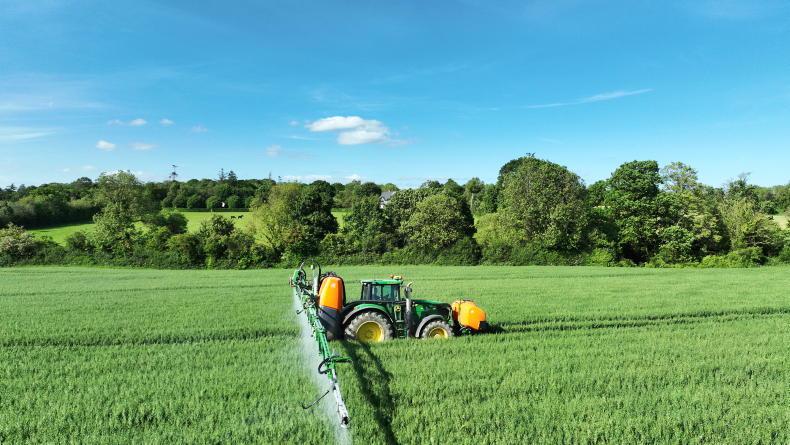
The National Pesticides and Drinking Water Action Group (NPDWAG) has urged all users of pesticides to remain vigilant as the spraying window comes to a close.
The group is reminding all pesticide users that the actions they take now can help protect drinking water supplies for the communities that depend on them.
Since the establishment of the group in 2017, pesticide exceedances have reduced by more than 50%. The group warns, however, that continued vigilance remains essential, particularly during the autumn months, when wetter conditions can increase the risks of pesticides entering water sources.
Dr Aidan Moody of the Department of Agriculture and chair of group said: “We urge everyone to continue the great work and always consider whether a pesticide is needed at all and, where it is, to make sure the best practices are followed. This approach not only protects our drinking water but also supports biodiversity and healthy ecosystems.”
Dangers outside of spraying season
Dr Patrick O’Sullivan of Uisce Éireann stressed that pesticide exceedances can still occur outside the main spraying season.
"Experience shows that pesticide exceedances can still occur outside the main spraying season, particularly during the autumn months," he said.
"These detections reinforce a simple message: it only takes one drop of pesticide to impact a water source. By following best practice and taking extra care near watercourses, pesticide users can help protect drinking water and build on the significant progress achieved in recent years.”
Key messages
The group also outlined key messages for pesticide users.




SHARING OPTIONS