


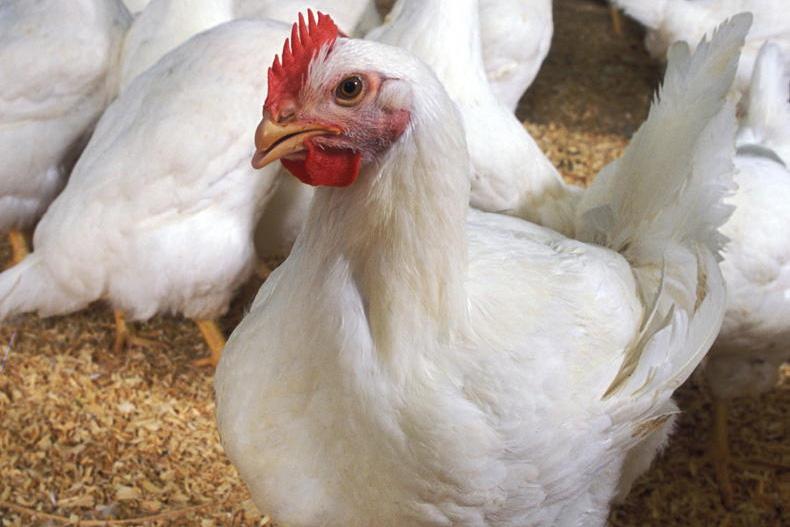
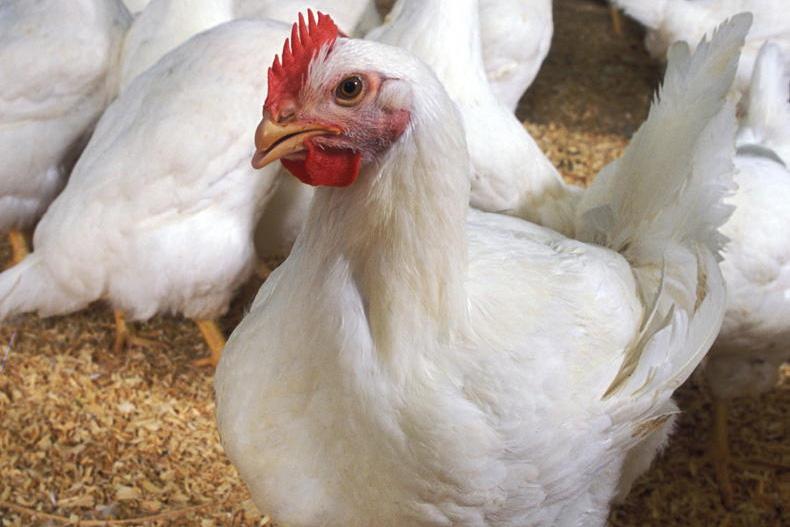
Poultry farmers who produce broiler chickens for meat have been excluded from the farmer flat rate VAT addition scheme.
The decision was taken by Minister for Finance Paschal Donohoe last week on the advice of his Department and the Revenue Commissioners.
The compensation, currently set at 5.1% of sales, and paid as a top-up to broiler growers by processors for their chickens, will no longer be payable.
How does VAT work?
The flat rate VAT compensation scheme is in place for farmers who aren’t registered for VAT.
VAT is a sales tax designed to have a neutral impact on businesses.
Most businesses are registered for VAT, and charge VAT on all sales, and pay that VAT forward to Revenue, net of the VAT they have paid on all purchases.
In recognition of the fact that most farmers are small unincorporated businesses or sole traders, and not registered for VAT, the flat rate compensation was established.
It is designed to pay farmers a top-up on sales to offset the VAT they have paid on their purchases. Businesses who buy meat, milk and crops who pay this top-up can then claim it back from revenue on the context of their VAT returns, squaring the taxation circle.
The rate is set by a standing committee, and is constantly under review.
Revenue has determined that because the majority of costs inncurred by broiler growers are VAT exempt (mostly feed, also straw), that the flat rate rebate was overcompensating them. The decision was taken to disallow all broiler growers from the scheme.
Reaction
“We as broiler producers are surviving on wafer-thin margins, and can’t afford to absorb an income hit of this scale,” said the IFA poultry chair Nigel Sweetnam.
“Poultry processors say their margins are little better than ours, so retailers will need to step up and share more of their profits to keep Irish poultry production viable”.
He accepted that the flat rate VAT system wasn’t working properly for broiler growers, due to three-quarters of their input costs being VAT-free.
“IFA offered the Department of Finance an easier option of a reduced rate of the VAT for poultry which would have solved their problem but they chose not to accept it”.
Sweetnam revealed that that Bord Bia has just confirmed the huge extra cost of poultry production in Ireland compared to imported product, due mainly to higher feed, energy and labour costs.
“Every Irish bird costs the grower 240% more than a Brazilian producer has to spend,” he said. “The carbon tax now accounts for a quarter of the gas costs poultry farmers must absorb”.
Sweetnam highlighted that the poultry sector is more vulnerable than ever as a result of this decision.
“Our priority now is to find a solution to ensure our farmers stay in business, and that shoppers continue to enjoy Irish-grown chicken,” he concluded.


SHARING OPTIONS