



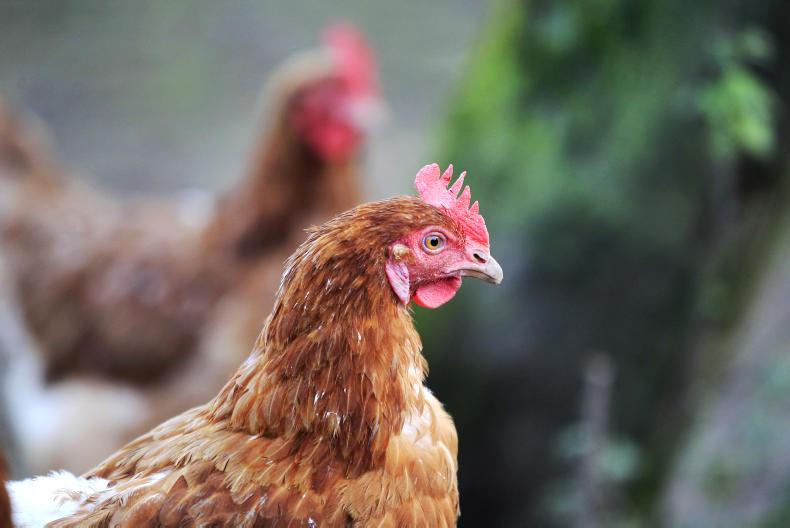
Poultry farmers in the South Dorset area of the UK have been put on high alert for bird flu.
Wild birds in the area have been confirmed with bird flu, which poses a serious threat to commercial and domestic flocks of poultry.
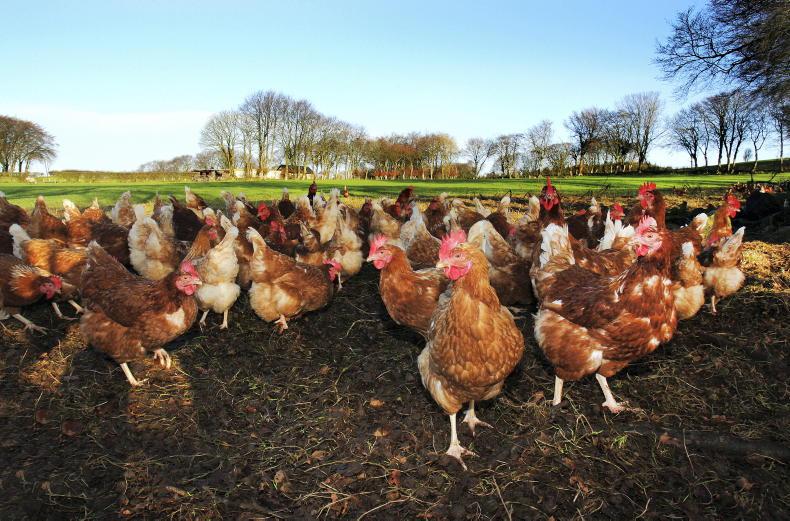
In 2017, poultry farmers in Ireland were forced to restrict their flocks to prevent possible infection from contact with wild birds.
From 12 January a new avian influenza prevention zone applies to everyone who keeps poultry or captive birds, in specific targeted areas of South Dorset.
Prevention zone
All bird keepers in the area must now follow detailed requirements on strict biosecurity.
While they are still permitted to keep birds outside, they must meet certain conditions.
The H5N8 strain of bird flu is a highly pathogenic version of the type A influenza viruses that infect birds.
The type A influenza viruses are separated into two categories, based on the viruses’ ability to cause disease in poultry.
These categories are low pathogenic avian influenza (LPAI) and high pathogenic avian influenza (HPAI).
Low pathogenic typically causes little or no clinical signs in birds, while highly pathogenic causes severe disease and can kill up to 100% of the birds it infects.



SHARING OPTIONS