Refresh your drying off technique for optimum results
Research has clearly demonstrated the link between infection during the dry cow period and subsequent clinical mastitis and elevated somatic cell counts (SCC) in early lactation.
Drying off cows using the “best practice" technique means that the treated cows are less at risk of post-infusion infection and you can expect the best possible results from your antibiotic dry cow tube and teat sealant. Strict attention to hygiene is required.
As the dry period is such a critical time, frequently reviewing how you dry off is useful to ensure your technique is as effective as it can be. The hygiene required at drying-off is similar to the hygiene levels required prior to a surgical procedure.
ADVERTISEMENT
Initial preparation
Drying off cows is a two person job and cannot be done in a rush. Ensure help is available and take your time to do the job as well as possible. On average, two people can dry off up to 50 cows in two hours.
Drying off should be performed in a clean and safe environment at a separate time to milking. If drying off in the parlour, it must be washed down beforehand. Drying off should be treated as a separate task, with no concurrent tasks such as foot trimming or tail clipping being performed.
All materials needed should be prepared in advance ready for dry off.
Suggested materials for the gold standard approach include Boviseal, antibiotic tubes (if required), pre- and post-dip, cotton wool swabs and surgical or methylated spirits, as well as plenty of clean disposable gloves, paper towels and tail tape or marker spray. Ideally, the cotton wool swabs should be prepared prior to the task and placed in a clean, covered tub of surgical or methylated spirits.
Process
The operator must wear clean gloves. If gloves become dirty during the procedure, they will need to be changed.
Keep syringes clean while preparing the teats and DO NOT immerse syringes in water. Dip teats in a rapid-acting pre-dip, leave for 30 seconds and then wipe each teat completely dry with separate disposable paper towels.
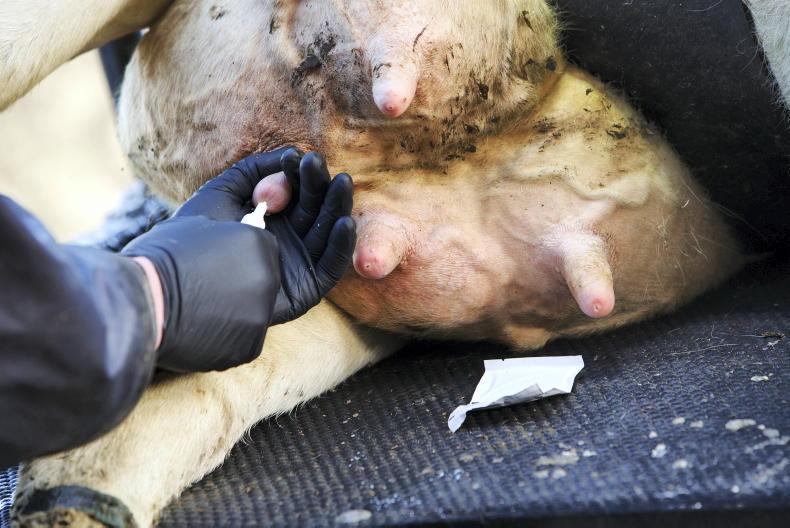
Ensure gloves are clean prior to disinfection and start with the teats furthest away from you. Thoroughly disinfect the teat end with cotton wool soaked in methylated or surgical spirits. Repeat until the teat wipe comes away visually clean.
It is easier to clean, prepare and tube one teat at a time.
If using Antibiotic Dry Cow Therapy (ADCT) in combination with Boviseal, insert the antibiotic tube first and massage into the udder.
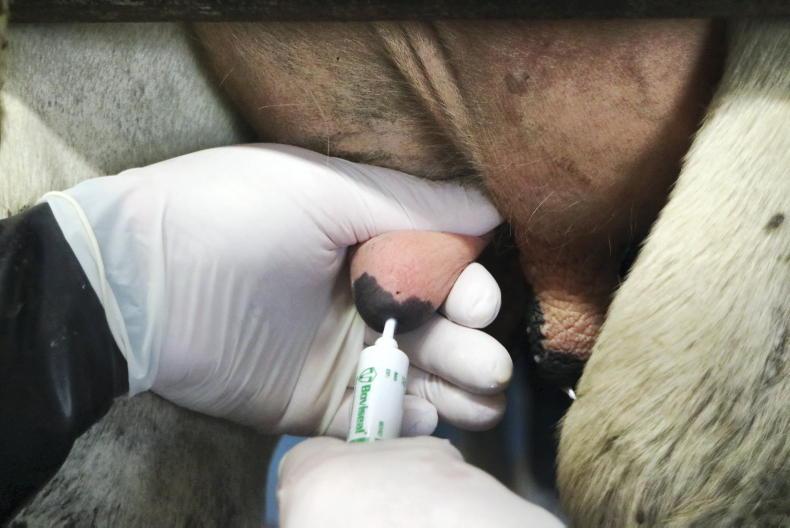
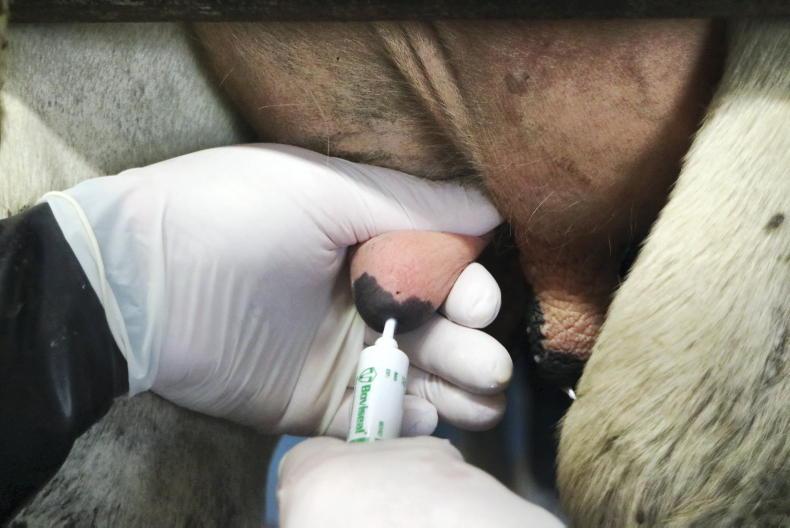
When inserting Boviseal, firmly grasp the teat at the base of the udder and slowly inject the contents. Some may leak out of small teats.
Be careful not to touch the nozzle of the syringe. Use one complete syringe per quarter. Do not massage Boviseal into the udder. Boviseal must remain in the teat canal.
Apply a post-milking disinfectant to cover more than 90% of each teat.
Mark each treated cow and keep her away from the milk supply. Treated animals should stand for 30 minutes to allow the teats to close.
In summary, for a successful dry period and optimum results, you must have a plan and a team in place and it is crucial to prepare in advance!
Register for free to read this story and our free stories.
This content is available to digital subscribers and loyalty code users only. Sign in to your account, use the code or subscribe to get unlimited access.
However, if you would like to share the information in this article, you may use the headline, summary and link below:
Title: Refresh your drying off technique for optimum results
Research has clearly demonstrated the link between infection during the dry cow period and subsequent clinical mastitis and elevated somatic cell counts (SCC) in early lactation.
The reader loyalty code gives you full access to the site from when you enter it until the following Wednesday at 9pm. Find your unique code on the back page of Irish Country Living every week.
CODE ACCEPTED
You have full access to the site until next Wednesday at 9pm.
CODE NOT VALID
Please try again or contact support.
Drying off cows using the “best practice" technique means that the treated cows are less at risk of post-infusion infection and you can expect the best possible results from your antibiotic dry cow tube and teat sealant. Strict attention to hygiene is required.
As the dry period is such a critical time, frequently reviewing how you dry off is useful to ensure your technique is as effective as it can be. The hygiene required at drying-off is similar to the hygiene levels required prior to a surgical procedure.
Initial preparation
Drying off cows is a two person job and cannot be done in a rush. Ensure help is available and take your time to do the job as well as possible. On average, two people can dry off up to 50 cows in two hours.
Drying off should be performed in a clean and safe environment at a separate time to milking. If drying off in the parlour, it must be washed down beforehand. Drying off should be treated as a separate task, with no concurrent tasks such as foot trimming or tail clipping being performed.
All materials needed should be prepared in advance ready for dry off.
Suggested materials for the gold standard approach include Boviseal, antibiotic tubes (if required), pre- and post-dip, cotton wool swabs and surgical or methylated spirits, as well as plenty of clean disposable gloves, paper towels and tail tape or marker spray. Ideally, the cotton wool swabs should be prepared prior to the task and placed in a clean, covered tub of surgical or methylated spirits.
Process
The operator must wear clean gloves. If gloves become dirty during the procedure, they will need to be changed.
Keep syringes clean while preparing the teats and DO NOT immerse syringes in water. Dip teats in a rapid-acting pre-dip, leave for 30 seconds and then wipe each teat completely dry with separate disposable paper towels.
Ensure gloves are clean prior to disinfection and start with the teats furthest away from you. Thoroughly disinfect the teat end with cotton wool soaked in methylated or surgical spirits. Repeat until the teat wipe comes away visually clean.
It is easier to clean, prepare and tube one teat at a time.
If using Antibiotic Dry Cow Therapy (ADCT) in combination with Boviseal, insert the antibiotic tube first and massage into the udder.
When inserting Boviseal, firmly grasp the teat at the base of the udder and slowly inject the contents. Some may leak out of small teats.
Be careful not to touch the nozzle of the syringe. Use one complete syringe per quarter. Do not massage Boviseal into the udder. Boviseal must remain in the teat canal.
Apply a post-milking disinfectant to cover more than 90% of each teat.
Mark each treated cow and keep her away from the milk supply. Treated animals should stand for 30 minutes to allow the teats to close.
In summary, for a successful dry period and optimum results, you must have a plan and a team in place and it is crucial to prepare in advance!
If you would like to speak to a member of our team, please call us on 01-4199525.
Link sent to your email address
We have sent an email to your address. Please click on the link in this email to reset your password. If you can't find it in your inbox, please check your spam folder. If you can't find the email, please call us on 01-4199525.
ENTER YOUR LOYALTY CODE:
The reader loyalty code gives you full access to the site from when you enter it until the following Wednesday at 9pm. Find your unique code on the back page of Irish Country Living every week.








SHARING OPTIONS