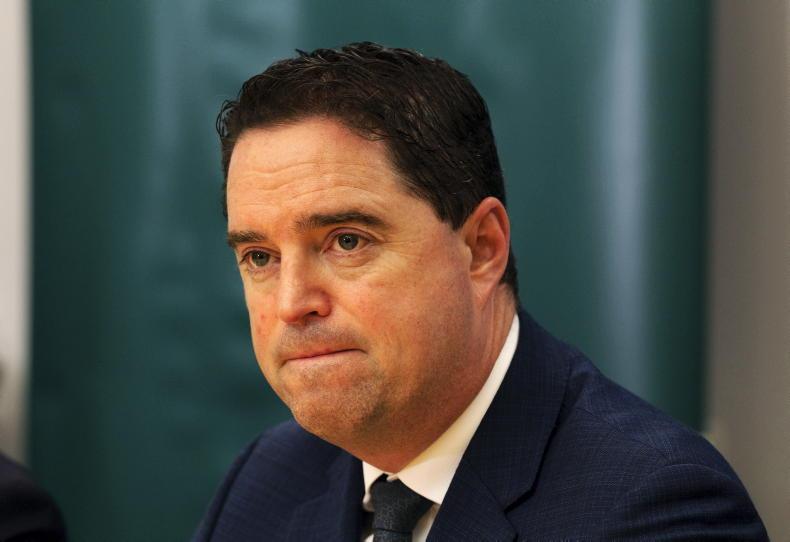
Taking hard decisions to remove less productive stock early in the winter will help conserve fodder, Northern Ireland’s Chief Veterinary Officer, Robert Huey, has said.
It will also improve the efficiency of the farm and ensure that good standards of animal welfare are maintained.
“It’s very important that farmers plan ahead in a year like this. The wet conditions will also have increased the risk, for example, of liver fluke, clostridial disease, pneumonia, lameness and general ill-thrift. Preventative measures can decrease these risks.”
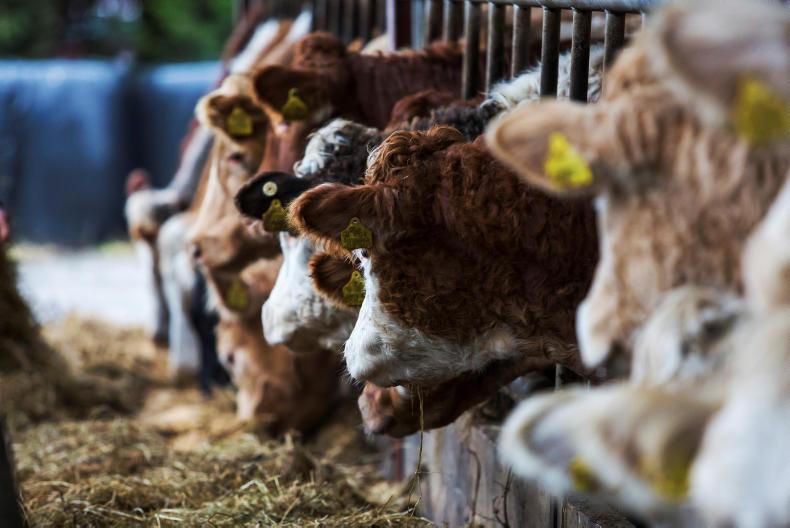
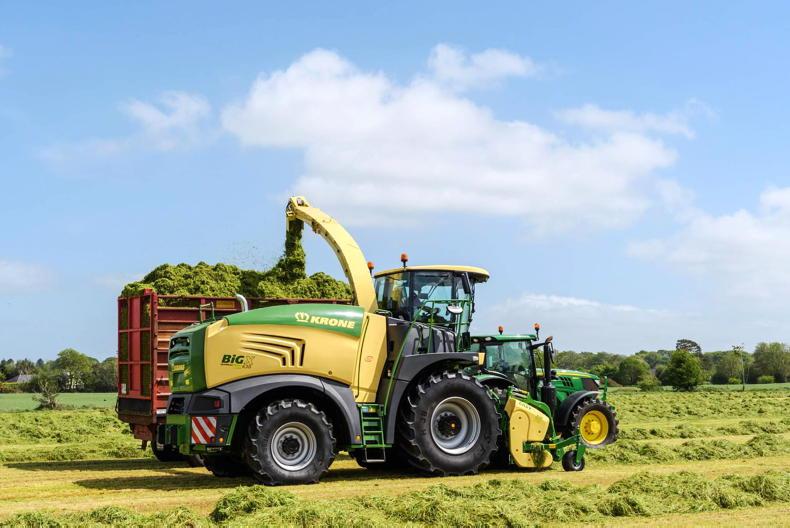
Huey also said the Department of Agriculture, Environment and Rural Affairs (DAERA) is aware that waterlogged fields have forced many farmers to keep cattle indoors through the worst of the summer weather and that grass intended for silage could not be cut across much of the country. As a result, more conserved feed than normal has been used up for the time of year.
To minimise livestock feed problems in the winter and spring time, DAERA is urging farmers to assess their conserved feed stores now and to ensure they have sufficient provisions for all the stock they intend to overwinter.
Vet issues
“If your livestock have specific veterinary issues or you see signs that animal health problems are emerging then contact your Private Veterinary Practitioner (PVP) as early as possible," Huey continued.
"Your PVP will provide advice to help you to protect your stock from malnutrition and distress.
“They will be able, for example, to carry out pregnancy testing of animals which will help in determining their individual nutritional needs or inform a decision to sell them."
Read more
Fodder budgets and feed values this winter
Straw hard to get in England - importers
Taking hard decisions to remove less productive stock early in the winter will help conserve fodder, Northern Ireland’s Chief Veterinary Officer, Robert Huey, has said.
It will also improve the efficiency of the farm and ensure that good standards of animal welfare are maintained.
“It’s very important that farmers plan ahead in a year like this. The wet conditions will also have increased the risk, for example, of liver fluke, clostridial disease, pneumonia, lameness and general ill-thrift. Preventative measures can decrease these risks.”
Huey also said the Department of Agriculture, Environment and Rural Affairs (DAERA) is aware that waterlogged fields have forced many farmers to keep cattle indoors through the worst of the summer weather and that grass intended for silage could not be cut across much of the country. As a result, more conserved feed than normal has been used up for the time of year.
To minimise livestock feed problems in the winter and spring time, DAERA is urging farmers to assess their conserved feed stores now and to ensure they have sufficient provisions for all the stock they intend to overwinter.
Vet issues
“If your livestock have specific veterinary issues or you see signs that animal health problems are emerging then contact your Private Veterinary Practitioner (PVP) as early as possible," Huey continued.
"Your PVP will provide advice to help you to protect your stock from malnutrition and distress.
“They will be able, for example, to carry out pregnancy testing of animals which will help in determining their individual nutritional needs or inform a decision to sell them."
Read more
Fodder budgets and feed values this winter
Straw hard to get in England - importers





SHARING OPTIONS