


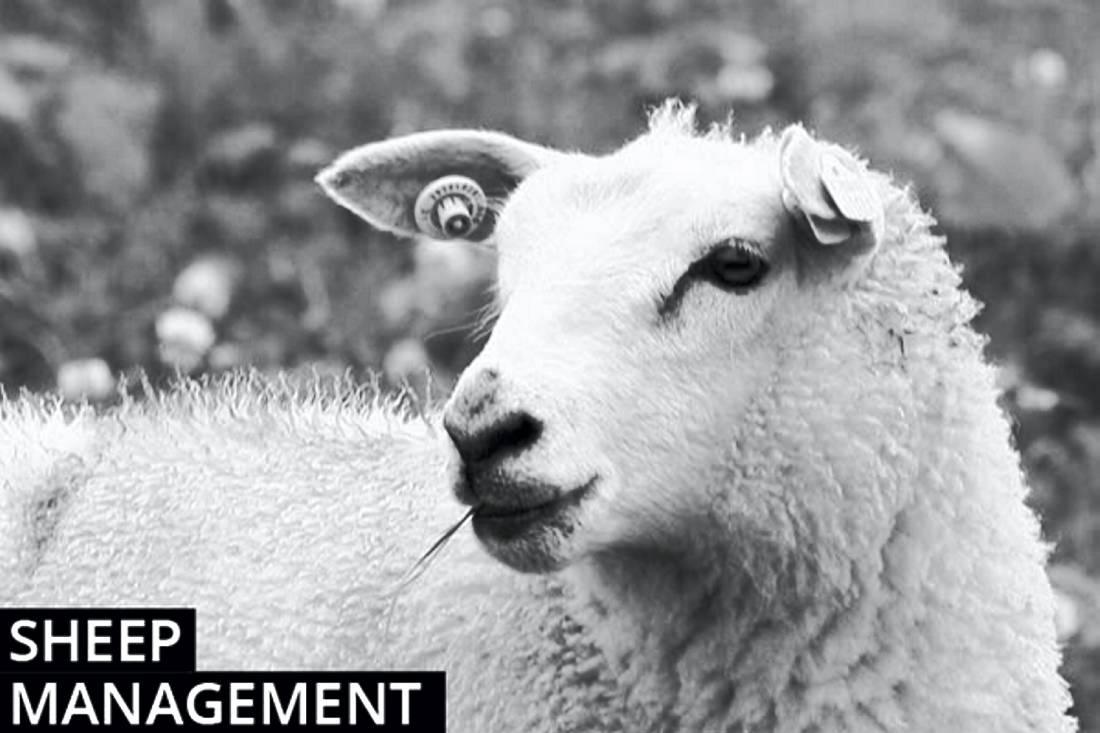
Feeding early lambing ewes: Easter Sunday falling on 27 March 2016 is leading to some farmers lambing earlier to hit the Easter trade. With weather remaining difficult, ewes presently lambing may in many cases need to be retained indoors until lambs get hardy or ground conditions improve. Adequate nutritional intake is vital in early lactation to allow ewes reach their peak milk yield (three weeks in twins and five weeks in single suckling ewes).
With silage on most sheep farms in the region of 68DMD to 70DMD, twin-suckling ewes in good body condition will require in the region of 1.2kg supplementation of an 18% crude protein concentrate for at least the first three to four weeks of lactation. This can be reduced to 0.3kg to 0.5kg for single-bearing ewes in good condition. Where ewes are in poor condition, supplementation will need to be increased by 0.3kg to 0.4kg.
Likewise, where quality of forage is poor (silage 55DMD to 60DMD), it will only act as roughage, with twin suckling ewes requiring close to ad-lib supplementation to achieve satisfactory performance.
Sheep census: There were a number of queries at the end of last week on the location of the sheep census on the Department’s online Agfood facility. The census portal was not live for completion previous to the census date, with producers able to submit information since the census date of last Sunday 13 December.
To access the census, click on the direct payments tab, then click on applications in the taskbar at the top of the screen and select the sheep census dropdown. Unfortunately, there is still no access to previous year’s data submitted online, a situation that is frustrating farmers who have committed to using the Department’s online facility for data recording and is an area that needs rectifying.
It is worth also bringing your paperwork and flock register up to speed when completing the census and if possible complete a check on the tagging situation in your flock. At this stage, a large percentage of ewes will have EID tagging, with only those born before January 2011 possessing one permanent tag. The question frequently arises of what to do with ewes that have lost one tag from the EID tag set to bring them back to possessing two tags.
A tag with an identical number can be ordered and applied or the existing tag can be removed and replaced with a new set of EID tags with the tag change correlated and recorded in your flock register.
Liver fluke: Reports from the veterinary profession show a rise in mortality caused by liver fluke in recent weeks. Additionally, factories report an increased presence of active liver fluke in lambs and ewes. The greatest risk presently is acute liver fluke. Products should be selected with an active ingredient that at least covers immature fluke parasites. In current weather, treatment is recommended every four to six weeks on wet soils with a history of fluke and every six to eight weeks where the risk is deemed as low.
If treating forward stores or lambs approaching slaughter weight, take care to adhere to withdrawal dates, especially in flukicide-only products, which tend to have long withdrawal periods.




SHARING OPTIONS