


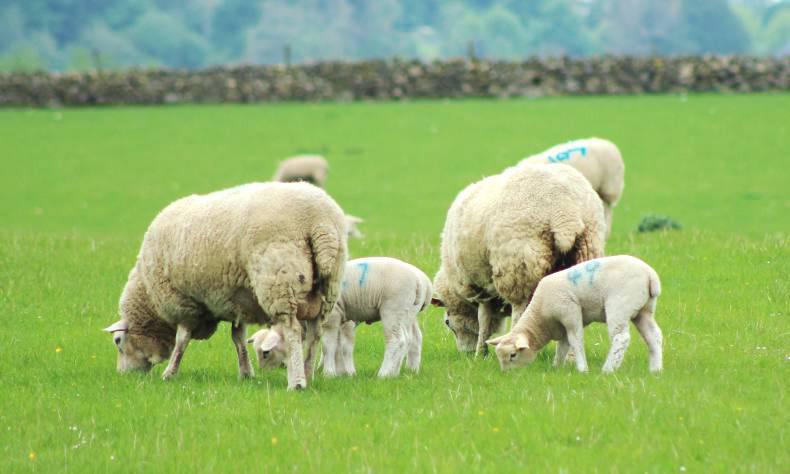
Drafting lambs: With weather remaining reasonably settled, lambs continue to thrive where grass supplies are plentiful and of good quality. With lamb prices under pressure, it is important to stay on top of drafting lambs to make sure you are not sending overweight lambs to the factory.
For some flock owners, this might mean drafting weekly or twice weekly to avoid lambs going beyond the 21kg carcase weight limit. Reports from several sheep farmers and lamb group chairs are that lambs continue to have excellent kill-out levels at 47% to 50% of liveweight, depending on the breed type. Male lambs that are still entire are more likely to have kill-out levels at the upper range outlined.
Even where lambs have been finished off grass without any meals, kill-out percentage remains high. At 47% kill-out, lambs will weigh 44kg to 45kg, although there is no allowance for any weight loss during transport.
At 49% kill-out, lambs will be closer to 42kg liveweight when ready to market. It is important that you handle lambs when you are weighing them to assess the level of body flesh and fat cover on animals if you are drafting at lighter than normal liveweight.
Handle lambs at the tail head, rib, loin and shoulder. If you have to apply strong pressure to feel bone, then this is an indication that lambs are properly covered for fat.
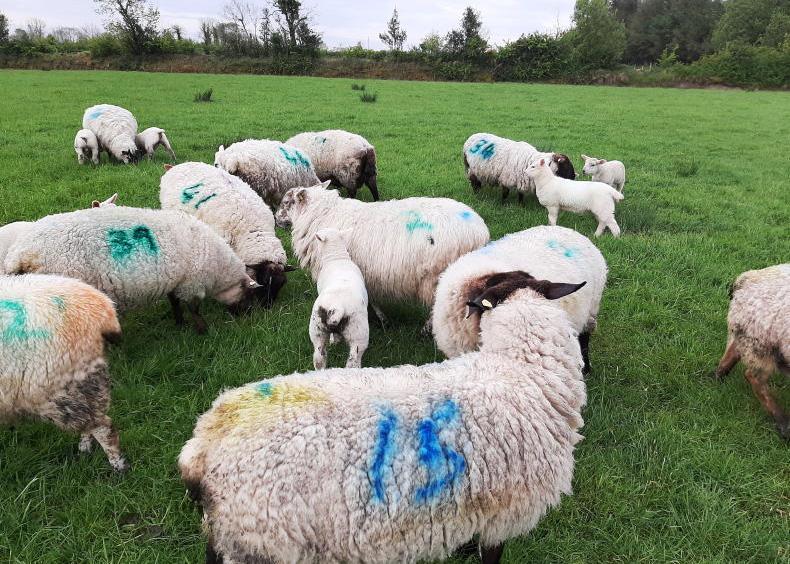
Culling ewes: Some farmers are using the current lull in sheep markets to wean more lambs. Weaning is a good opportunity to start the culling process. Which ewes do you intend to cull?
Can you remember back to lambing time and identify which ewes had problems, either in terms of lambing difficulty or pro-lapse, or had poor mothering ability? This is where keeping some form of simple management record is of benefit.
Some farmers who ear notch problem ewes throughout the year can quickly identify which ewes are to be culled. Weaning is also a good time for sorting through ewes to pick up problems with udders before they are fully dried off. Ewes that have broken mouths, ewes that regularly suffer from lameness and ewes that weaned poor-quality lambs should be marked for culling. Thin ewes should be separated into a group and grazed until body condition improves. Fat ewes can be marketed immediately.
Blowfly: Weaning is also a good time to treat the flock for blowfly, as it combines two tasks, and there is usually a significant check in lamb performance after weaning, which coincides with withdrawal periods.
Some farmers still prefer to use the plunge bath or shower to control blowfly and other external parasites. Others will prefer to use a pour-on. Both methods have their merits and disadvantages. Using the plunge bath or sheep shower will require more labour, whereas one person can easily treat large numbers with a pour-on if they have a good handling set-up. Just because lambs have been treated, do not assume there is no risk from parasites. Keep on the look-out for the signs of maggots or ticks after treating sheep while fly activity remains high.




SHARING OPTIONS