


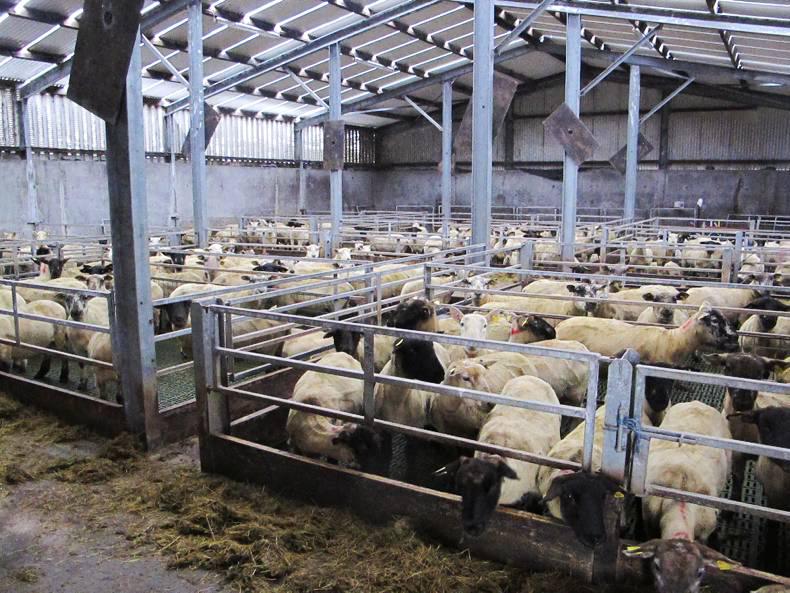
Feeding cereals to ewes: Reports show that a significantly higher number of farmers have introduced supplementary feeding to ewes at an earlier stage.
There have been some queries from farmers worried about lower-quality silage (due to delayed harvesting and wet weather) failing to meet demands of mid-season lambing ewes and topping up the nutritional intake with oats or barley to limit costs this early in the season.
Silage of 68DMD+ will meet mid-pregnancy nutritional demands. Where silage is of low quality (55DMD to 60DMD), introducing oats or barley at 0.15kg to 0.3kg will be sufficient to meet maintenance demands in mid-pregnancy.
Ram management: Reports differ greatly on the condition of rams post-breeding. Some farmers report mature rams holding condition well while aged ram and young ram lambs are feeling the brunt of workload and tough weather. These rams should be removed from ewes at this stage and segregated for preferential treatment.
Access to good quality forage or a fresh run of grass and 0.5kg concentrate supplementation will help rams regain condition and get young rams get back on track. Where grass is scarce or forage poor in quality this may need to be increased to 0.8kg to 1kg for a short time.
If mixing rams, it is advisable to let them become accustomed to each other first. Many producers find that grouping rams in a tight space for a period before releasing in a larger pen or outdoors will help cut down on fighting.
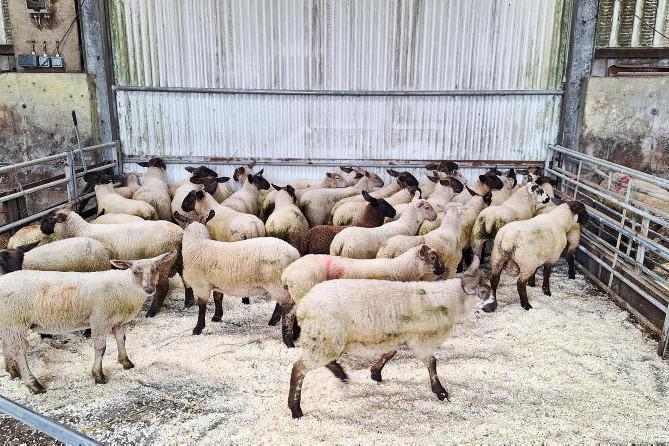
Drafting unsuitable ewe lambs: The current weather is hard on all sheep, including replacement ewe lambs. The mistake is often made of failing to supplement ewe lambs over the winter months, leading to stunting in growth or performance. Supplementary feeding should be introduced once grass supplies are depleted.
Good-quality grass silage or hay should be sufficient to keep well-grown lambs performing. Concentrate supplementation (0.5kg to 0.7kg) or access to feed buckets may be required to keep light lambs moving and should definitely be introduced if ewe lambs have been mated and are falling behind target. Feeding now will be far more beneficial and supplementation levels can be eased back later in the year when animals are back on course.
It is also worth assessing suitability for breeding and segregating animals that have not turned out as anticipated or are unlikely to make the grade.
For those producing hoggets for sale, the experience of the last two seasons shows demand for plain-quality animals is low. Identifying these animals early will allow lambs to be drafted if fit for slaughter or put on a finishing diet and hopefully take advantage of a strong trade in early 2016.
Nitrates records: For farmers exporting organic fertilisers or sailing close to the wind on the 170kg/ha organic nitrogen limit, remember Record 3. The 2015 record of movement of organic fertilisers must be submitted to the Department of Agriculture’s nitrates section in Johnstown Castle by 31 December 2015.
Merry Christmas: I would like to take this opportunity to wish all readers and their families a happy and safe Christmas on your farm.



SHARING OPTIONS