



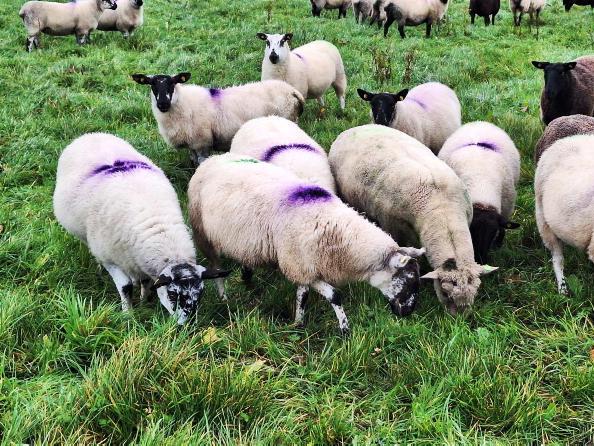
Final breeding checks: Reports indicate that on average ewe condition has improved significantly with access to better-quality grass in recent weeks.
It is worth carrying out final breeding checks before breeding commences in the coming one to two weeks for many flocks.
At this stage, all sheep should generally be on a rising plane of nutrition but there is merit in continuing to operate a priority group for ewes falling below target body condition of 3.5 at mating. Where ewes have lifted above a body condition score of 3.0, these ewes should continue to gain in condition given the recent positive grass growth rates.
A call will need to be made on ewes that have failed to gain significant body condition despite the preferential treatment.
Where ewes have started from a very low base and regained some condition then there is probably potential for some younger ewes to continue to gain condition quicker in the coming weeks now that they are starting from a higher base. The more questionable ewes that will need more assessment is aged ewes that have been slow to gain condition.
Where breeding has commenced it is important to monitor the performance and breeding activity of rams to ensure ewes are being served correctly. It is not unknown for rams to appear to be serving ewes correctly, including raddling but not actually mating satisfactorily. The only way this will be picked up is by spending some time observing mating, with raddling critical in this regard.
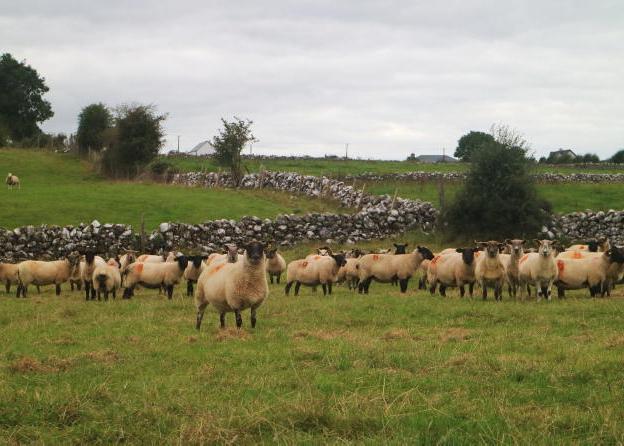
Crossbreeding in hill sheep: The level of output in a hill ewe flock will have a major bearing on the breeding programme which can be implemented.
As reflected in the table, where the number of lambs reared is relatively low at 0.8 lambs per ewe joined, then the focus in the flock will need to remain on pure breeding to be in a position to replenish the flock.
Where the number of lambs reared is in the region of 1.10 lambs per ewe joined, it provides much more scope to implement a crossbreeding programme if desired, or alternatively to produce surplus hill replacements with a strong market also opening up in recent years as crossbreeding has increased.
The Teagasc guidelines have been calculated for a hill flock with a replacement rate of about 24%, while also allowing for 10% of any potential ewe lambs to be deemed unsuitable.
The breeding policy should also focus on producing the type of ewe and progeny that can excel in the terrain in which they are run with crossbreeding not suitable for some systems operated on very challenging terrain. The lambing date should also match the natural trend of spring forage availability.



SHARING OPTIONS